



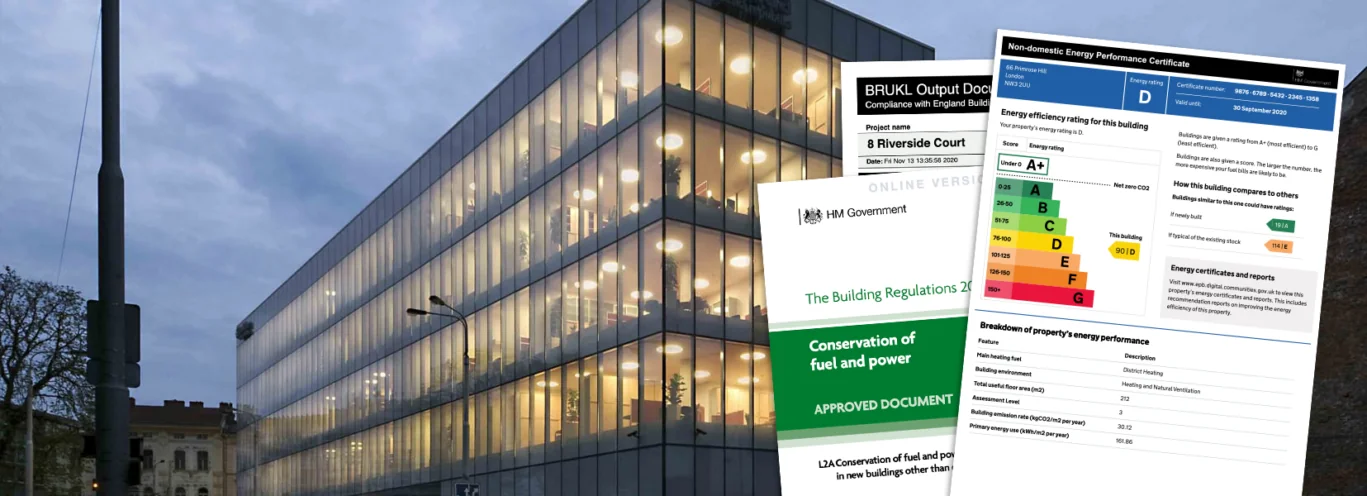
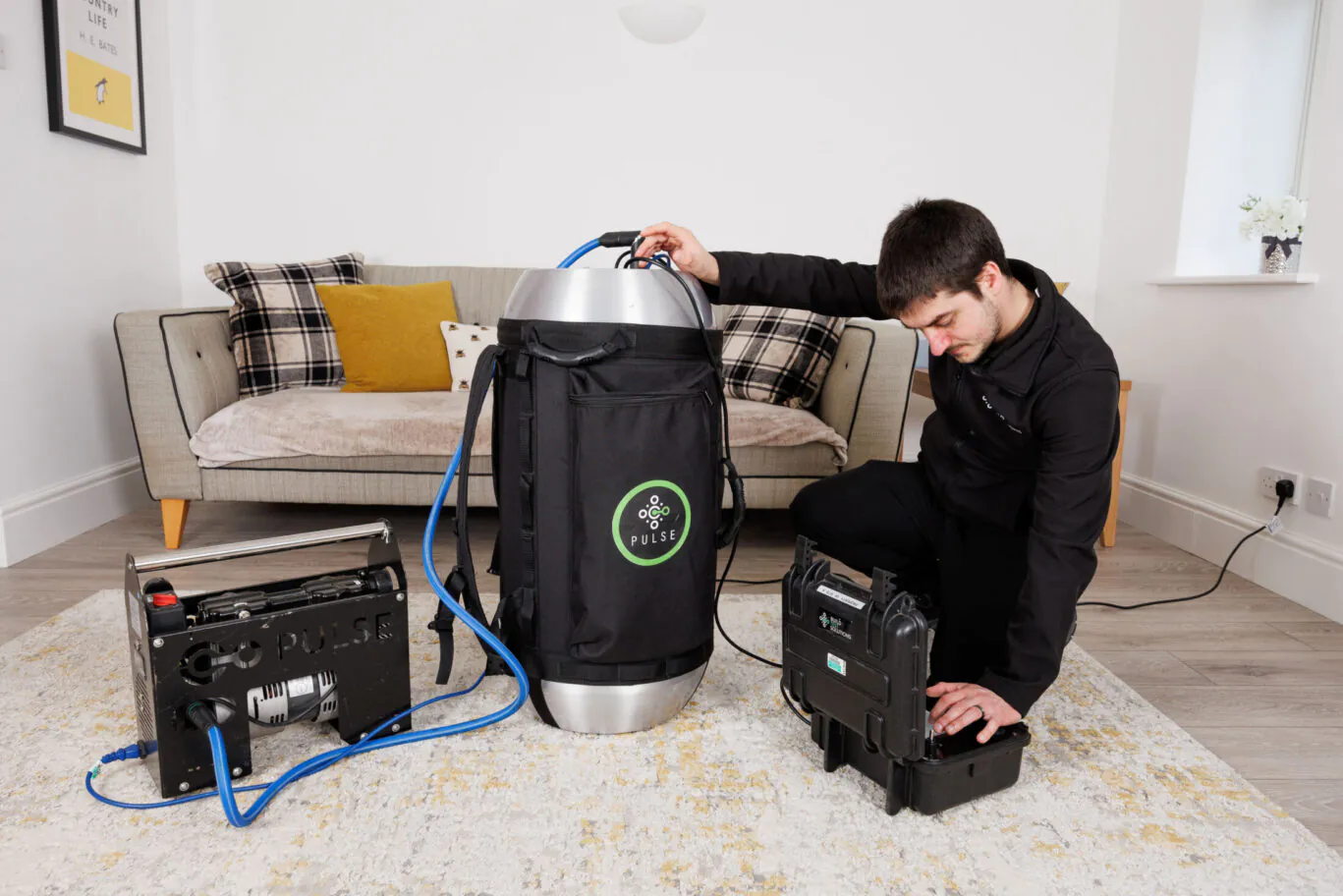
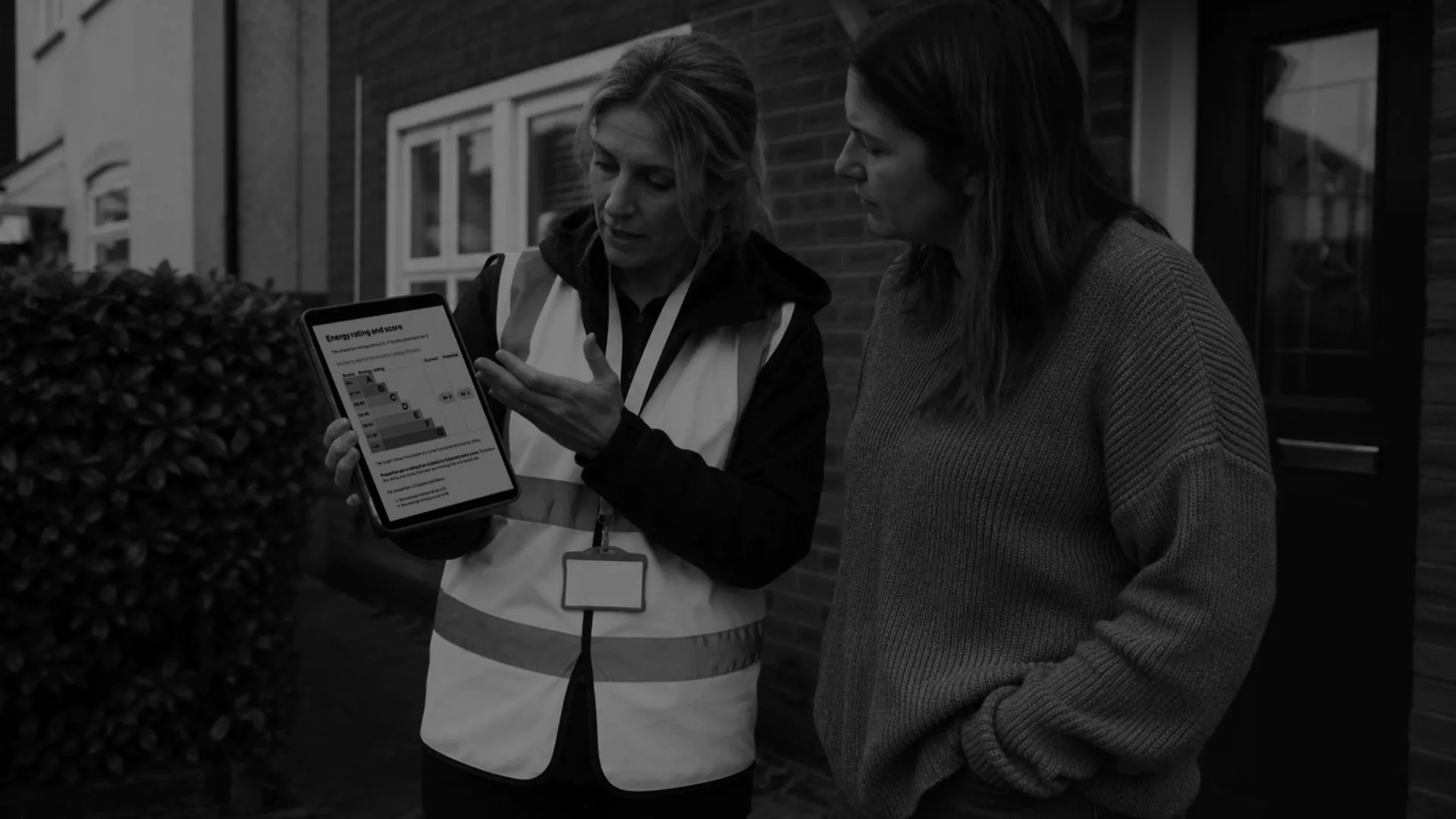
If you’re considering a Domestic Energy Assessor (DEA) course, you probably have two practical questions: How much could I earn? and Will I find enough work?
DISCLAIMER: We provide DEA training at Energy Trust, so we have an interest in helping people enter the profession. This blog post has been developed to provide a clearer view of the role before you commit to a course.
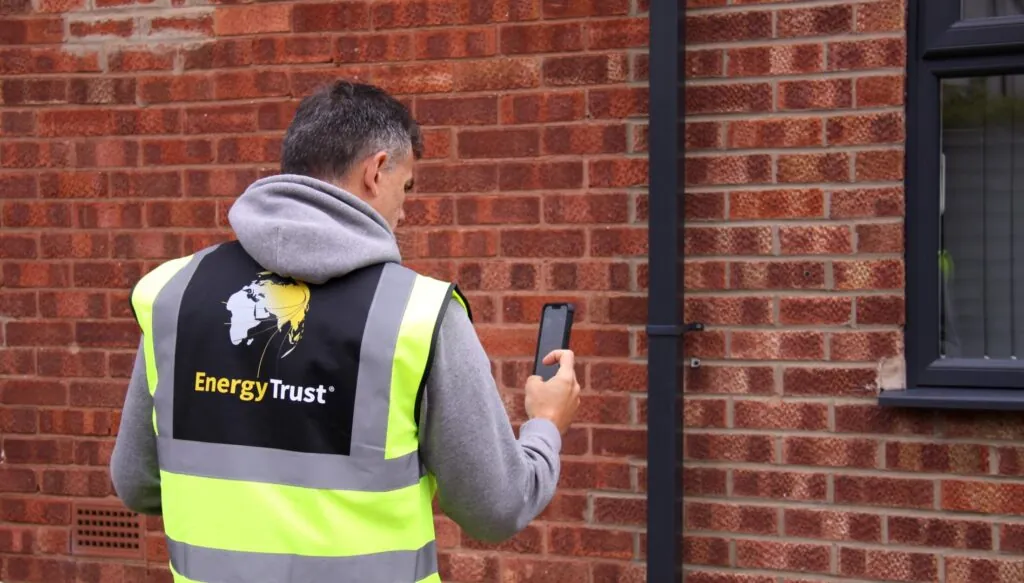
What is a typical domestic energy assessor salary?
The National Careers Service lists an indicative annual salary of £24,000 for a starter to £35,000 for an experienced domestic energy assessor*. It describes typical working hours as 38 to 40 a week, although hours can vary.
These figures are a career guide, not a starting offer or an estimate of what every qualified DEA will earn. An actual employed salary will depend on the role, location and employer.
They also should not be applied to self-employed assessors. If you work for yourself, the amount customers pay you is business revenue – so your earnings come after the costs of doing the work.
What should self-employed DEAs consider?
Self employed individuals need to account for extra considerations in their earnings. For instance, they must think about:
- insurance fees
- equipment
- software
- tax
- any other business overheads
If you intend to be self-employed, your calculations of what you may earn should reflect the fee you would actually receive, especially if an agency or other intermediary takes a share. Consider the time and costs involved in the travel, property visits, data entry, and accreditation.
Lodgement Costs
A lodgement fee is the charge for registering an Energy Performance Certificate (EPC), or another report, on the central register. This registration makes the document valid and assigns it a unique certificate number. An individual fee is required for each lodgement.
For a Domestic Energy Assessor (DEA), the cost of lodging a domestic EPC comprises three elements: the accreditation scheme fee, the Government Register Fee and VAT. The Government Register Fees are £1.50 in England, Wales and Northern Ireland, and £6.00 in Scotland.
| Region | Government Register Fee |
| England, Wales and Northern Ireland | £1.50 |
| Scotland | £6.00 |
Most accreditation schemes charge per lodgement, with scheme fees typically ranging from around £3.00 to £7.00 per EPC. However, some also offer monthly subscriptions for assessors who lodge a high volume of certificates.
DEAs account for these fees as part of their business running costs and factor them into the prices they charge customers.
Are domestic energy assessor jobs available in 2026?
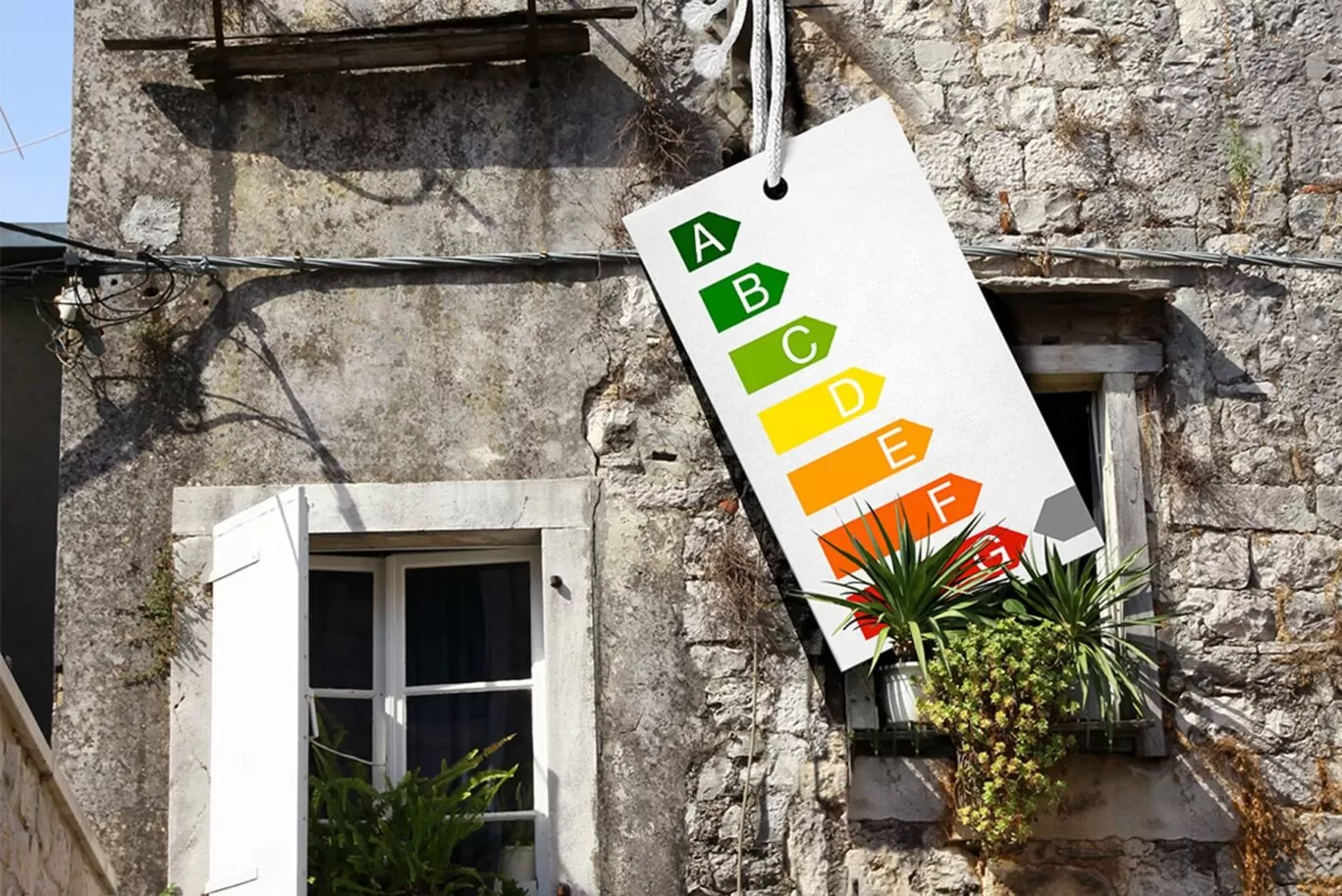
There is an ongoing need for EPCs. EPCs are generally valid for ten years and (subject to exemptions) an EPC is required whenever a property is:
- marketed for sale
- marketed for let
- newly built
This continually generates an ongoing and recurring need for qualified DEAs across the country.
Where can I search for domestic energy assessor jobs?
The National Careers Service profile links to the government’s job search service, where you can check for certain current openings and set alerts. It is also worth looking at the organisations you would hope to work with locally and finding out whether they use in-house assessors or external contractors. Search for roles within a distance you would genuinely travel. Note the experience requested and, for contract work, the rate you would actually receive. That will tell you more about your prospects than a national salary figure alone.
Working as a DEA: employed or self-employed?
Domestic energy assessor jobs may take the form of employed roles or self-employed assessment work. The route you take is up to you and depends on your preferences. There are pros and cons to both options.
Compare the options
| What matters to you | employed DEA role | self-employed DEA work |
|---|---|---|
| Income | An agreed salary. | You can set your fees and decide which work to accept, subject to what clients will pay. |
| Finding work | An employer may provide bookings and established customer relationships. Check the job description. | You can build your own customer relationships and work with more than one source of bookings. |
| Working pattern | Agreed hours and a team structure may suit you if you prefer a regular routine. | You have more control over your diary, although appointments still depend on client availability. |
| Employment benefits | Employees have rights such as paid holiday; pension arrangements depend on eligibility and the role. | You can plan time off around your business. |
| Business decisions | Your employer will usually set prices and handle much of the wider business operation. | You control how you run and develop your business, while taking responsibility for its costs and administration. |
Sources: National Careers Service DEA profile, GOV.UK employment status guidance, GOV.UK self-employment guidance.
Neither route guarantees a particular workload. When comparing opportunities, look at the full package: salary or fees, travel, equipment, expenses and how consistently work is available.
Is a DEA course worth the cost?
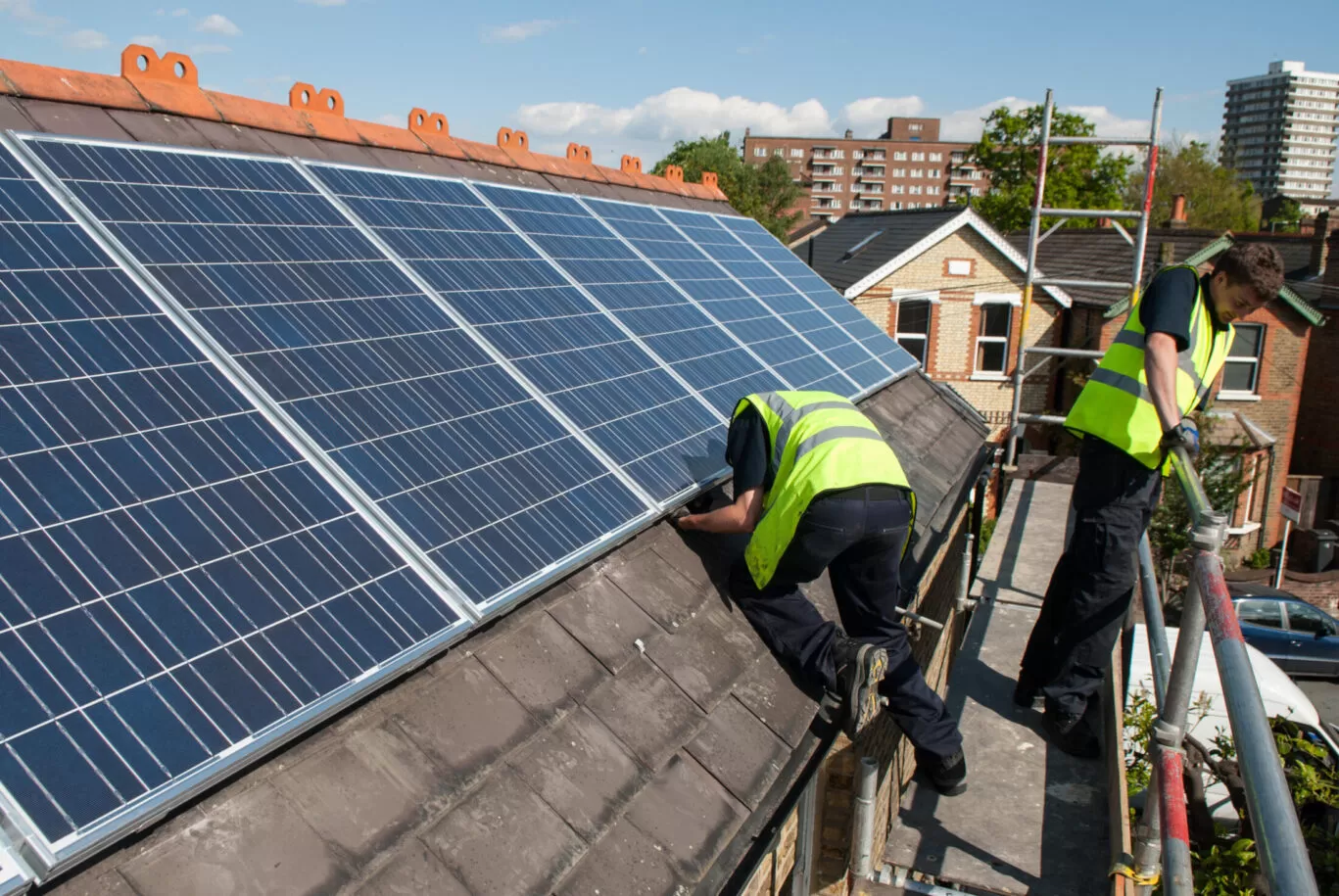
DEA work can be a fantastic starting point for a career in energy assessment and retrofit, or a great way to add a new service to existing property or construction work. The role involves site visits, careful recording of a home’s features and measurements, and producing EPCs. It also calls for clear communication with clients and, depending on the role, organising appointments and managing a diary.
The essential qualification is a Level 3 Certificate in Domestic Energy Assessment, followed by membership of an approved accreditation scheme before you can officially lodge EPCs.
At Energy Trust, we offer a three-day live online course at £990 + VAT, with portfolio work afterwards, and a five-day classroom course at £1,590 + VAT. Both prices include ABBE registration, materials, portfolio support and the final certificate. The online portfolio takes around four to six weeks on average, although the time depends on the learner; classroom learners may also have work to finish afterwards.
That cost is one part of the decision. You should also budget for the costs of working once qualified and have a sensible plan for your first bookings. If the local research stacks up, training gives you the qualification and practical foundation to get started.
Questions to ask before booking
A little research now can make the decision much easier:
- What employed domestic energy assessor jobs are currently advertised within your travel area?
- If you intend to work for yourself, who could realistically become your first customers?
- How much do EPCs generally cost in your area?
- How many assessments could you complete accurately each week, allowing for travel and paperwork? (Of course, this number will increase over time as you become more experienced)
- What will accreditation, insurance, equipment and other ongoing costs add to your budget?
If you want to compare the qualification routes and what each includes, you can read the Energy Trust DEA course details.
FAQs
The National Careers Service currently gives a guide of £24,000 for starters to £35,000 for experienced assessors. It is indicative, so individual job offers may differ.
No. Qualification and accreditation let you practise as a DEA, but they do not guarantee employment or bookings. Check current vacancies and local sources of work before committing to training.
It is possible for individual earnings to vary widely, but the National Careers Service’s £35,000 figure should not be treated as a self-employed income promise. Self-employed assessors need enough paid work to cover their costs and provide the income they want.
The taught course is only part of the process. Energy Trust’s online route has three teaching days followed by an assessed portfolio, which takes around four to six weeks on average. Its classroom route runs for five days, with any unfinished portfolio work completed afterwards. You must then join an approved accreditation scheme to issue official EPCs.
It can be, particularly when you understand the role and can see a credible route to work. Use the published course cost, current vacancies and a cautious estimate of your own likely fees and expenses to make the decision.
* At time of writing.