





PAS 2035 is the framework for managing energy efficiency retrofit in existing homes. It sets out how properties should be assessed, improvements planned and designed, and completed projects evaluated. For people working in retrofit, it also helps establish who does what and which qualifications are needed for particular responsibilities.
This guide explains the framework, when it applies, the roles involved and how qualifications fit alongside accreditation and project requirements.
Guidance checked: November 2026.
On this page

What is PAS 2035?
PAS 2035 is a specification published by the British Standards Institution (BSI) that sets out a whole-house approach to improving the energy efficiency of existing homes, covering assessment, planning, design, installation oversight and evaluation. Its full title is ‘PAS 2035:2023, Retrofitting dwellings for improved energy efficiency — Specification and guidance.‘
It provides a coordinated approach to assessing homes, identifying suitable improvements, designing the work and checking the results. It also covers advice to occupants so they understand the improvements and how to use their upgraded home.
You may see it written as PAS2035, PAS 2035 or PAS 2035:2023, which includes the edition year.
What does PAS stand for?
PAS stands for Publicly Available Specification. It is a type of standards document developed through BSI’s PAS process.
What is the purpose of PAS 2035?
The purpose of PAS 2035 is to improve the quality of domestic retrofit by considering the property, its occupants and the proposed improvements together.
It developed following the Each Home Counts review, which examined problems with energy efficiency and renewable energy improvements in homes. Its central principle is a whole-house approach: understanding how the building works before deciding what to change. That includes its construction, condition, environment, existing services and the household’s needs.
Why is a ‘whole-house approach’ important?
A whole-house approach considers how energy efficiency improvements affect the entire property. Adding insulation helps a home retain heat, while reducing draughts changes how air moves through it. Without suitable ventilation, these changes can increase the risk of condensation, damp and mould.
By assessing the building’s construction, condition, ventilation and occupants’ needs together, retrofit professionals can identify risks before work begins and design improvements that work effectively together.
Is PAS 2035 mandatory?
PAS 2035 is mandatory where the relevant funding scheme, contract or project specification requires it. It is not a blanket legal requirement for every privately funded home improvement.
For example, the government’s Warm Homes: Social Housing Fund Wave 3 guidance requires projects to follow PAS 2035:2023. Requirements should always be checked against the particular programme and project you are working on.
For privately funded work, clients can choose to specify PAS 2035 as their delivery framework.
Following PAS 2035 also does not remove other obligations. Building Regulations, planning requirements and relevant installation rules still need to be considered. BSI specifies that compliance with the specification does not provide immunity from legal obligations.
What does PAS 2035 cover?
PAS 2035 covers the wider domestic retrofit process, including:
- Assessing the dwelling.
- Identifying and evaluating improvement options.
- Designing and specifying suitable energy efficiency measures.
- Coordinating the project.
- Overseeing the delivery process.
- Advising occupants.
- Monitoring and evaluating the results.
It applies to individual improvements as well as packages of measures.
What is the difference between PAS 2035 and PAS 2030?
They work together. PAS 2035 provides the wider project framework, while PAS 2030 addresses installation processes and associated requirements. Depending on the technology and funding scheme, MCS requirements may also apply.
| Specification | Main focus |
|---|---|
| PAS 2035 | The overall domestic retrofit process and professional responsibilities |
| PAS 2030 | Requirements for installing energy efficiency measures |
What roles are involved in a PAS 2035 retrofit project?
The main professional functions are assessment, coordination, design and evaluation, supported by appropriately competent installers.
| Role | Main responsibility |
|---|---|
| Retrofit Assessor | Collects and reports information about the home and its occupants |
| Retrofit Coordinator | Coordinates the project and oversees the PAS 2035 process |
| Retrofit Designer | Develops and takes responsibility for the retrofit design |
| Retrofit Installer | Installs the specified measures within the relevant installation requirements |
| Retrofit Evaluator | Reviews whether the project achieved its intended outcomes |
What qualifications do you need to work under PAS 2035?
The qualifications you need depend on the role you want to perform, the building and the proposed improvements. There is no single PAS 2035 qualification that qualifies you for every responsibility.
PAS 2035 sets out professional qualification requirements, while accreditation schemes may impose additional conditions. Completing a course and gaining accreditation are separate steps.
Retrofit Assessor
What do Retrofit Assessors do under PAS 2035?
Retrofit Assessors assess homes near the beginning of a retrofit project, gathering the information needed to plan and design suitable improvements.
Their findings are recorded in a whole-dwelling assessment report, supported by photographs and energy assessment data. This gives the Retrofit Coordinator and Designer the information they need to make informed decisions about the property.
How do I become a Retrofit Assessor?
To become a Retrofit Assessor, a common route is to qualify as a Domestic Energy Assessor (DEA), then gain a recognised retrofit assessment qualification and join an appropriate accreditation scheme.
Energy Trust’s Retrofit Assessor course leads to the ABBE Level 3 Certificate for Retrofit Assessors, preparing you to assess homes under PAS 2035. You can enrol if you already hold a DEA qualification or are working towards one, subject to the course’s entry requirements.
After qualifying, you must apply separately for accreditation and meet your chosen scheme’s requirements.
Retrofit Coordinator
What do Retrofit Coordinators do under PAS 2035?
Retrofit Coordinators oversee projects from inception through assessment, design, installation, handover and evaluation. Every project following PAS 2035 must have a suitably qualified Coordinator.
They agree the intended outcomes with the client, evaluate improvement options, prepare the medium-term improvement plan and coordinate the professionals involved. They also oversee installation evidence, occupant advice and the project’s compliance with PAS 2035.
A central part of the role is protecting the client’s and public interests while identifying and managing technical and process risks.
How do I become a Retrofit Coordinator?
A common route is to complete a recognised Level 5 retrofit coordination qualification and meet the requirements of the relevant accreditation scheme. Energy Trust offers the ABBE Level 5 Diploma in Retrofit Coordination and Risk Assessment.
Retrofit Designer
What do Retrofit Designers do under PAS 2035?
Retrofit Designers turn the assessment findings and agreed improvements into a detailed design and specification that contractors and installers can work from.
They also identify the testing, commissioning and handover requirements. If the assessment does not contain enough information, they ask the Coordinator to arrange further investigation.
How do I become a Retrofit Designer?
There is no single qualification route for every retrofit design project. Annex A.3 sets different requirements according to the measures and building involved.
The main routes include:
- Single measures or proprietary systems: relevant specialist qualifications or manufacturer training and approval, subject to the applicable conditions.
- Combustion appliances or MCS technologies: the specific competence, registration or professional routes set out for those systems.
- Two interacting fabric measures: specified specialist designer routes or the professional qualifications listed in Annex A.3.7.
- Three or more interacting fabric measures: an ARB-registered architect, CIAT-registered chartered architectural technologist, CIOB professional member or chartered building surveyor meeting the specified membership requirements.
The professional routes also apply where fabric insulation or replacement windows are proposed on high-rise or system-built dwellings. Additional conditions apply to relevant work on traditional buildings.
For certain other projects involving two or more measures, PAS 2035 permits a suitably qualified Retrofit Coordinator to undertake design. So, it should be noted that a coordination qualification does not give unrestricted eligibility to design every project.
Before accepting design work, check your qualifications against the requirements specified in the most recent version of PAS 2035.
Retrofit Installer
What do Retrofit Installers do under PAS 2035?
Retrofit Installers carry out the improvements specified in the retrofit design. Their work must follow PAS 2030 or, for technologies within its scope, the applicable MCS standards.
Their responsibilities include the relevant installation checks, testing, commissioning and handover requirements. They also provide evidence of installation compliance to the Retrofit Coordinator and explain the completed measures to residents at handover.
How do I become a Retrofit Installer?
Your training and qualifications depend on the measures you intend to install. Insulation, heating, ventilation and renewable energy technologies require different technical skills and competence.
Distinguish between your competence as an individual operative and the certification held by the installation business. Depending on the work and scheme, the business may need PAS 2030 certification, MCS certification and TrustMark registration.
Retrofit Evaluator
What do Retrofit Evaluators do under PAS 2035?
Retrofit Evaluators review whether projects achieved their intended outcomes and identify problems or unintended consequences. The Evaluator reports the findings and recommends remedial action, improvements to the process or further investigation where needed.
How do I become a Retrofit Evaluator?
Under Annex A.4, a Retrofit Evaluator must meet the Retrofit Coordinator qualification requirements.
For basic evaluation, the project’s Coordinator can also act as Evaluator. Further monitoring and evaluation requires an Evaluator who is independent of the project’s Assessor, Coordinator, Designer and Main Contractor or Installer. Energy Trust’s Retrofit Coordinator course provides a qualification route relevant to this role. Further evaluation work also requires the appropriate skills and independence.
What qualifications are needed for traditional buildings?
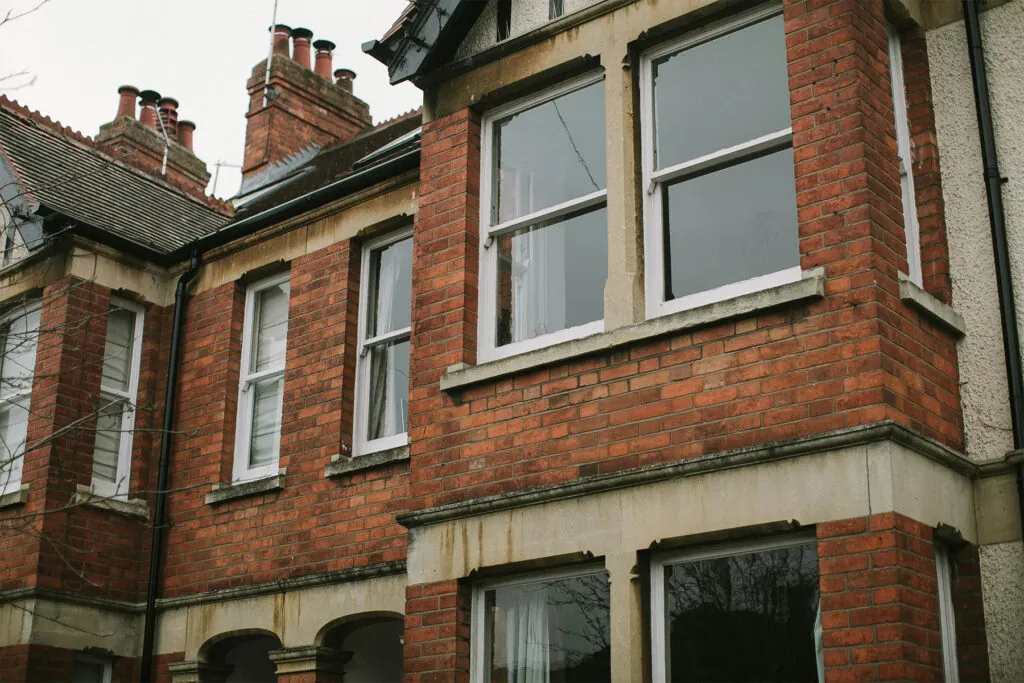
Retrofit Assessors and Coordinators working on traditionally constructed buildings under PAS 2035 need an additional recognised qualification, commonly the Level 3 Award in Energy Efficiency for Older and Traditional Buildings.
Traditional buildings require particular care because their materials, moisture behaviour and heritage significance can affect suitable retrofit choices.
Retrofit Designer Requirements
When it comes to traditional buildings, requirements for retrofit designers depend on the work and can involve additional professional and conservation competence.
Depending on the specified EEMs (Energy Efficiency Measures) and their expected impact on the property, the Retrofit designer may need to meet extra requirements. You can read the specific requirements in PAS 2035, Annex A.1.2 and A.3.8, printed pages 33–34.
How does a PAS 2035 project work?
A PAS 2035 retrofit project follows a coordinated process, from understanding what the client wants to achieve to evaluating the completed improvements. The stages below explain how a typical project progresses, though the details depend on the specific dwelling. Advice to residents and the collection of compliance evidence take place throughout the project.
1. Understand the home and the intended outcomes
The Retrofit Coordinator establishes what the client and occupants want to achieve, whether this is reducing energy bills, improving comfort, addressing damp and mould or other concerns. Once the goals have been established, the Retrofit Assessor enters the picture to gather the property information needed to make informed decisions.
The Retrofit Assessor’s work covers more than just energy performance alone. Condition and occupancy information also help the wider team understand the home. Traditional and protected buildings also require an assessment of significance to inform decisions about their improvement.
2. Compare improvements and plan the work
Using the assessment findings, the Retrofit Coordinator carries out an improvement options evaluation. This compares potential measures and packages of measures, including their estimated costs, fuel savings, payback periods and carbon cost-effectiveness.
A medium-term improvement plan places the current work within a wider strategy for the property, as well as specifying monitoring and evaluation arrangements. PAS 2035:2023 requires this plan for all properties.
3. Design suitable measures
The Retrofit Designer turns the assessment and agreed improvements into a detailed design and specification that contractors and installers can work from.
4. Install and inspect the work
The installers carry out the specified work in accordance with PAS 2030. Where technologies fall within the scope of the Microgeneration Certification Scheme, the applicable MCS standards are used instead.
The Retrofit Coordinator collects evidence that the installation meets PAS 2035 requirements, including inspection records and photographs. Installation oversight also includes site inspections during construction; whether an in-person inspection is required depends on the measures being installed and their interaction with other fabric improvements.
Any non-compliant work must be recorded and reported to the contractor or installer and the client, with unresolved issues escalated through the applicable quality assurance arrangements.
5. Test and commission the installation
The retrofit design specifies the testing and commissioning required for the dwelling and installed measures. Testing checks relevant aspects of performance, and commissioning checks and adjusts systems so they operate as intended.
Where multiple measures require commissioning, the design must provide for the building services systems to be finally commissioned together. This ensures that all the systems work together well as a whole.
6. Handover
Handover helps residents understand what has been installed and how to operate and maintain it safely and efficiently.
Occupants are given explanations and demonstrations of controls, maintenance instructions, relevant certificates, warranties and guarantees. The Retrofit Coordinator verifies that handover reaches the residents and includes the client and landlord where applicable.
7. Evaluate the results
The project is reviewed to establish whether it achieved its intended outcomes and whether any follow-up action is needed. Every completed project requires basic evaluation, including a questionnaire for the client and occupants.
The Retrofit Evaluator reports the findings and recommends remedial action or further investigation where needed.
These stages form a connected process from initial assessment to post-installation learning.

Is there a PAS 2035 certificate or accreditation?
TrustMark states that it is not possible to be certified to PAS 2035 itself. Instead, relevant businesses and professionals work within the framework and meet the applicable scheme requirements. You need to gain the specific qualifications required for the roles you aim to perform. PAS 2030 installer certification is a separate matter.
Which PAS 2035 training course should you choose?
Choose your training around the responsibilities you want to take on.
| Your aim | Relevant starting point |
|---|---|
| Understand the industry and framework | Level 3 Award in Introduction to Domestic Retrofit |
| Assess homes for retrofit | Retrofit Assessor course |
| Coordinate retrofit projects | Retrofit Coordinator course |
| Develop competence for traditional buildings | Older and Traditional Buildings qualification |
| Combine related qualifications | Energy assessment and retrofit course bundles |
An introductory qualification can be useful for people working in administration, customer service, sales and business development. It provides background knowledge, but does not by itself establish eligibility for assessment, coordination or design responsibilities.
For more help exploring your options, read our guide to advancing your career in energy assessment and retrofit.
PAS 2035 FAQs
What is PAS2035?
PAS 2035 is BSI’s specification for managing energy retrofit in existing homes. It covers assessment, improvement planning, design and evaluation, with defined professional responsibilities.
Is PAS2035 mandatory?
It is mandatory where a funding scheme, contract or project specification requires it. It is not automatically compulsory for every privately funded home improvement. Always check the requirements for the particular project.
What does PAS stand for?
PAS stands for Publicly Available Specification, a type of standards document developed through BSI’s PAS process.
What is the purpose of PAS2035?
Its purpose is to improve domestic retrofit quality through a whole-house approach, clear responsibilities and coordinated decisions about improvements.
What does PAS2035 cover?
It covers the domestic retrofit process, including assessment, evaluation of improvement options, design, coordination, occupant advice and monitoring of completed projects.
Is PAS2035 a British Standard?
Formally, no. BSI publishes PAS 2035 as a Publicly Available Specification. Its foreword explicitly distinguishes it from a British Standard.
Is a Retrofit Assessor the same as a Retrofit Coordinator?
No. The Assessor gathers and reports property information. The Coordinator oversees the wider project and coordinates its professional responsibilities.
Where can I download PAS 2035?
BSI provides access to a free copy through its PAS 2035:2023 information page. Use the full specification, including applicable corrections, when checking detailed project and qualification requirements.

Find your route into retrofit with Energy Trust
Your next step depends on the experience you already have and the work you want to do. Energy Trust has helped thousands of people reach their professional goals in energy assessment and retrofit. Book your course today to join them and take the next step in your career.
For help choosing a suitable route, feel free to get in touch with us to discuss your existing qualifications, career goals and training options.