



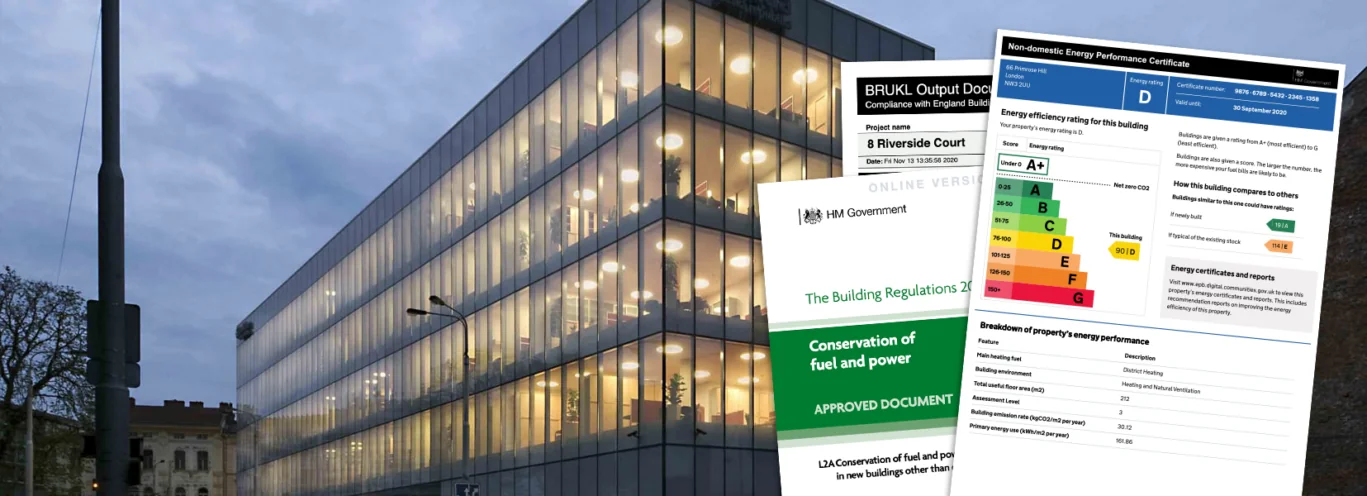

The long-awaited Future Homes Standard has officially been released by the Ministry of Housing, Communities and Local Government (MHCLG), marking a major milestone in the UK’s journey towards net zero housing.
This latest update to Building Regulations Part L sets out how new homes in England will be designed, built and assessed for energy performance in the coming years. Alongside the announcement, the government also confirmed a delay to the Home Energy Model (HEM) and its associated HEM:FHS wrapper.
In this article, we break down the key headlines from the Future Homes Standard, what it means for the industry, and what happens next.
What is the Future Homes Standard?
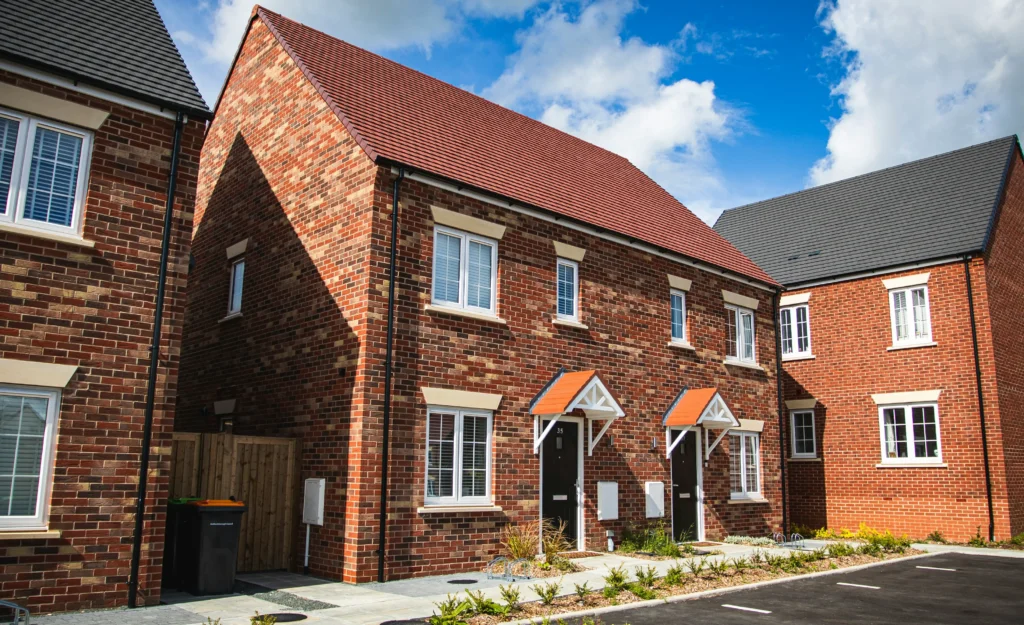
The Future Homes Standard is the next evolution of Part L of the Building Regulations, aiming to ensure that all new homes produce significantly lower carbon emissions and are “future-proofed” for a decarbonised energy grid.
Originally consulted on in 2019 and again in 2023, the final standard now sets a clear framework for delivering low-carbon, energy-efficient homes across England.
Key Headlines from the Future Homes Standard
1. End of Fossil Fuel Heating in New Homes
One of the most significant changes under the Future Homes Standard is the effective end of fossil fuel heating in new homes.
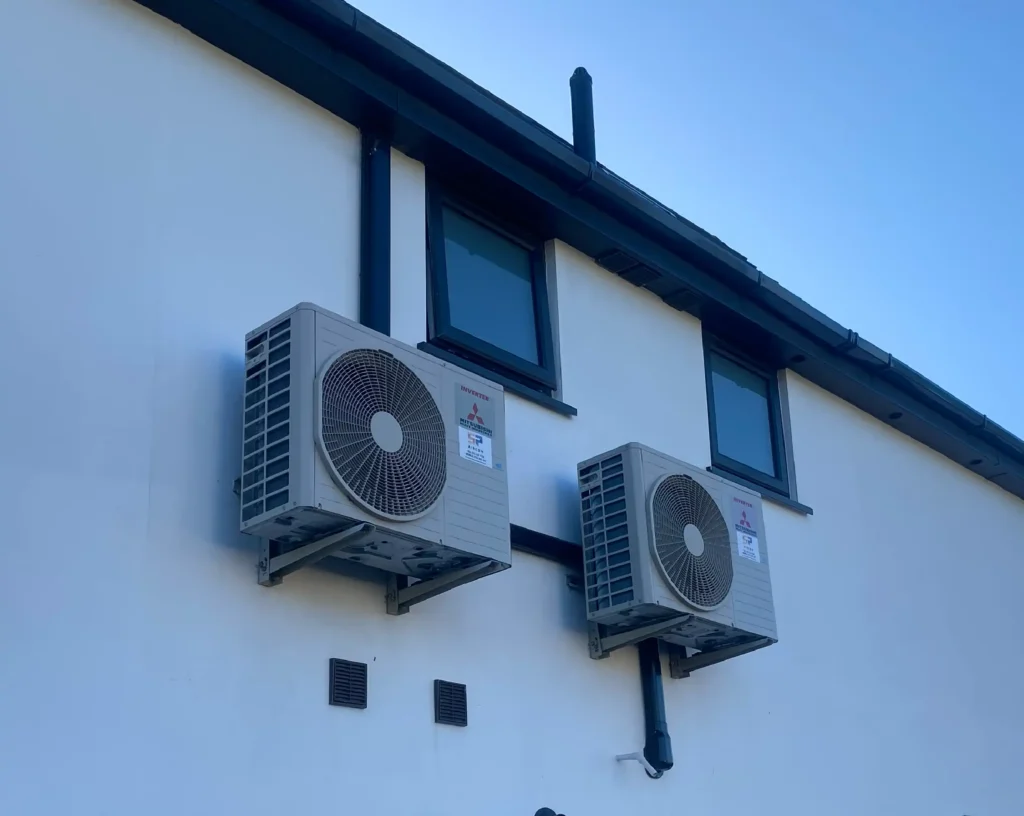
- Gas boilers will be replaced by heat pumps or heat networks
- Low-carbon heating becomes the default for all new builds
This represents a fundamental shift in how homes are heated in the UK.
2. Mandatory Renewable Energy (Solar PV)
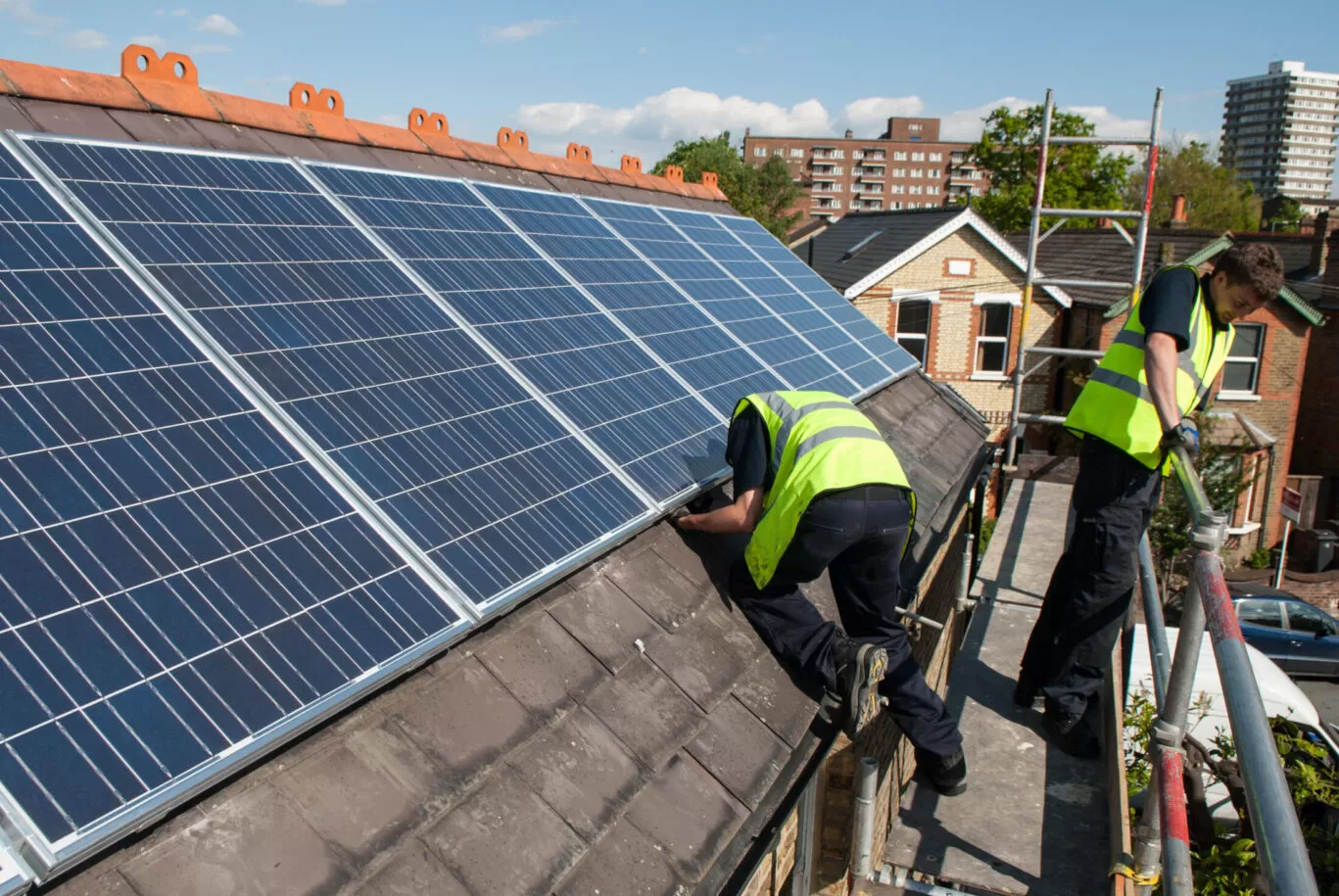
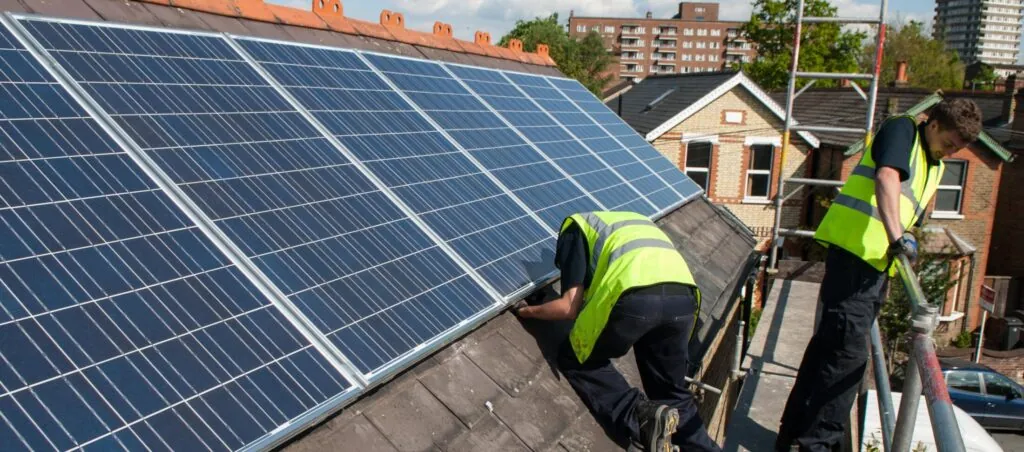
A new requirement means that renewable energy generation is now expected on new homes, typically through solar photovoltaic (PV) panels. In practice, this means that PV systems will become standard on most properties. These properties will be required to meet a minimum amount of renewable energy generation, ideally reducing both carbon emissions and household energy bills.
It should be noted that additional guidance is contained within the Approved Document for cases where unusual roof designs could impact the installation of photovoltaic panels, affecting their ability to meet the minimum requirement.
3. Uplift in Energy Performance Standards
The Future Homes Standard introduces stricter performance targets compared to Part L 2021.
- It will be based on a “notional dwelling” using:
- Heat pumps
- Solar PV
- Improved airtightness
All of this is designed to foster net zero carbon homes as the grid decarbonises.
4. Core Performance Metrics Retained
Despite major changes, the government has confirmed continuity in how performance is measured:
- Primary Energy Rate (DPER)
- Carbon Emissions (DER)
- Fabric Energy Efficiency (DFEE)
These will still be used to demonstrate compliance under the Future Homes Standard.
5. Changes to Ventilation and Overheating (Parts F & O)
Updates to Approved Document Part L are supported by related changes:
- Ventilation systems must be properly commissioned (ie commissioned by a member of a competent person’s scheme or by the Building Control Body)
- Powered flow hoods will be required for commissioning new ventilation systems, with rotating vane anemometers no longer permitted for this purpose
- A full technical review of overheating guidance (Part O) is underway
6. Implementation Timeline
The Future Homes Standard will come into force on 24 March 2027 with a 12-month transitional period. After this date, all new homes must comply with the new regulations.
Homes that are already under construction can be completed in line with the version of Part L that applied at the time work began. However, for developments operating under previous transitional arrangements, these provisions will be phased out. As part of this ‘sunsetting’ approach, any plots where construction has not started within the specified transition period will instead be required to meet the Future Homes Standard.
HEM:FHS Wrapper Delay – What You Need to Know
Alongside the release of the Future Homes Standard, the government confirmed a delay to the rollout of the Home Energy Model (HEM) and its HEM:FHS wrapper.
Why has HEM been delayed?
The government wants to ensure the home energy model is fully robust and reliable before launch. They have determined that HEM will not be ready in time for the initial rollout of the Future Homes Standard. Instead, it is expected at least 3 months after the Future Homes Standard is published. However, it will still eventually replace SAP as the primary calculation methodology.
What happens in the meantime?
Instead of HEM, SAP 10.3 will be the sole approved methodology for compliance at launch. This is an updated version of the existing methodology, modified to include:
- updated carbon emission factors
- the new FHS notional dwelling
- and new primary energy calculations
One positive to this is that it provides continuity by utilising a familiar system for assessors. A lot will be changing thanks to this new regulatory overhaul, so a bit of familiarity could be good thing to avoid excessive disruption.
What This Means for the Industry
The release of the Future Homes Standard signals a clear direction of travel for the industry. Developers will need to adapt to low-carbon technologies, while assessors can continue using SAP 10.3 in the short term. At the same time, industry professionals should begin preparing for the future transition to HEM. Although the delay to HEM may be disappointing for some, it ultimately supports a smoother and more reliable transition in the long term.
Final Thoughts: A Major Step Towards Net Zero Homes
The Future Homes Standard represents a pivotal moment for the UK housing sector.
With the move away from fossil fuels, mandatory renewables, and stronger energy performance requirements, it sets a new benchmark for sustainable housing. The long-term direction is clear: smarter modelling, cleaner energy, and homes built for a net zero future.