


Watch this short introduction to the work of a Domestic Energy Assessor (DEA), including how assessors survey homes, produce Energy Performance Certificates and become qualified to work in the industry.
Video length: 1 minute 50 seconds
What you’ll learn
- What a Domestic Energy Assessor does during a residential property survey
- How the information collected during the survey is used to produce an Energy Performance Certificate
- Why Domestic Energy Assessors must be properly qualified and accredited
- Where a DEA qualification can lead within the energy-efficiency and retrofit industries
What is a Domestic Energy Assessor?
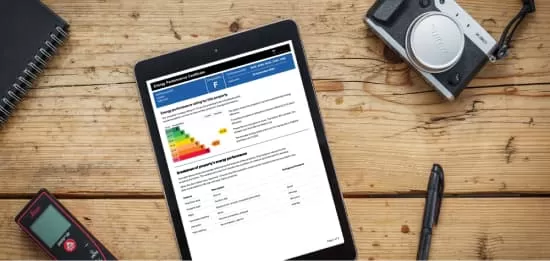
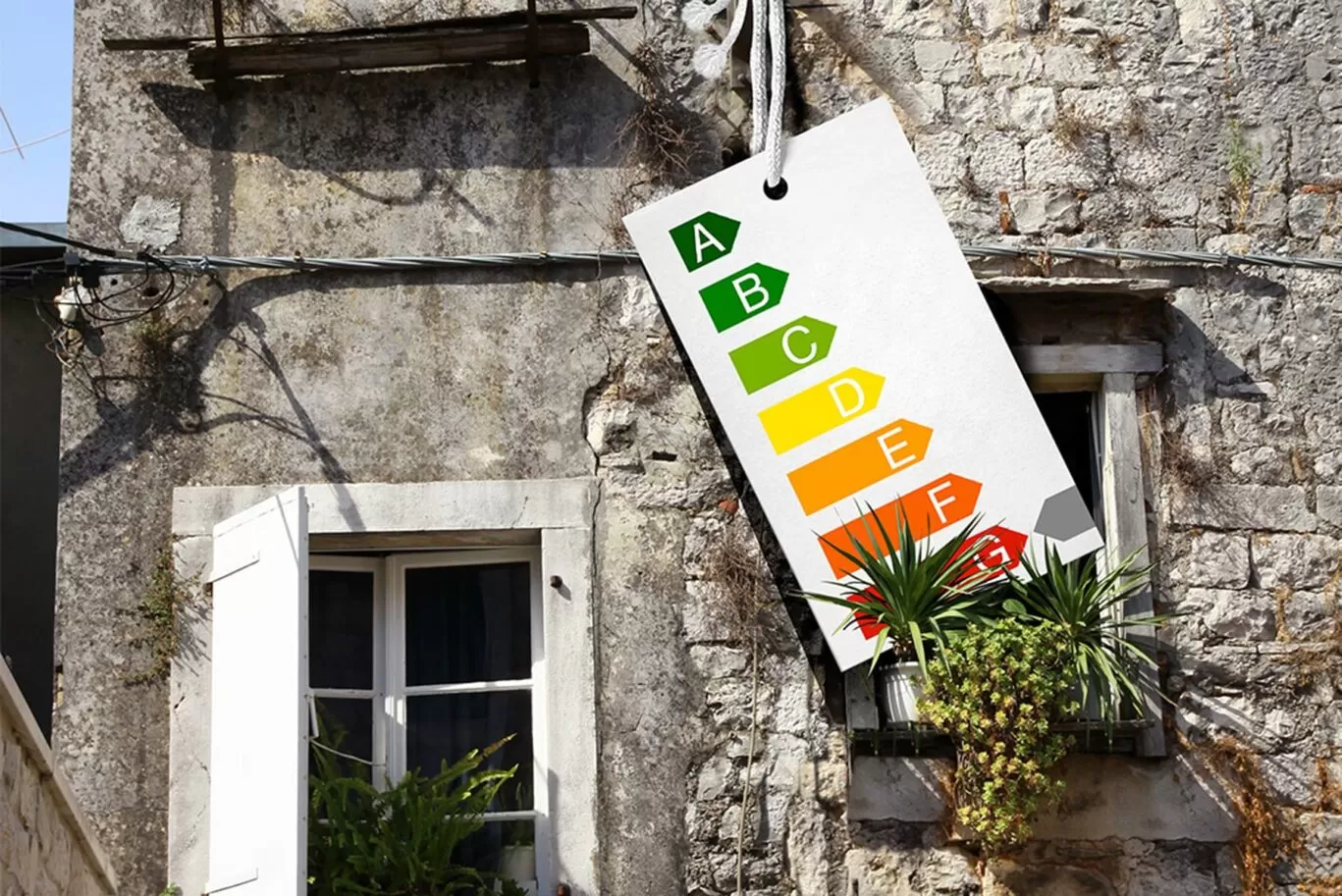
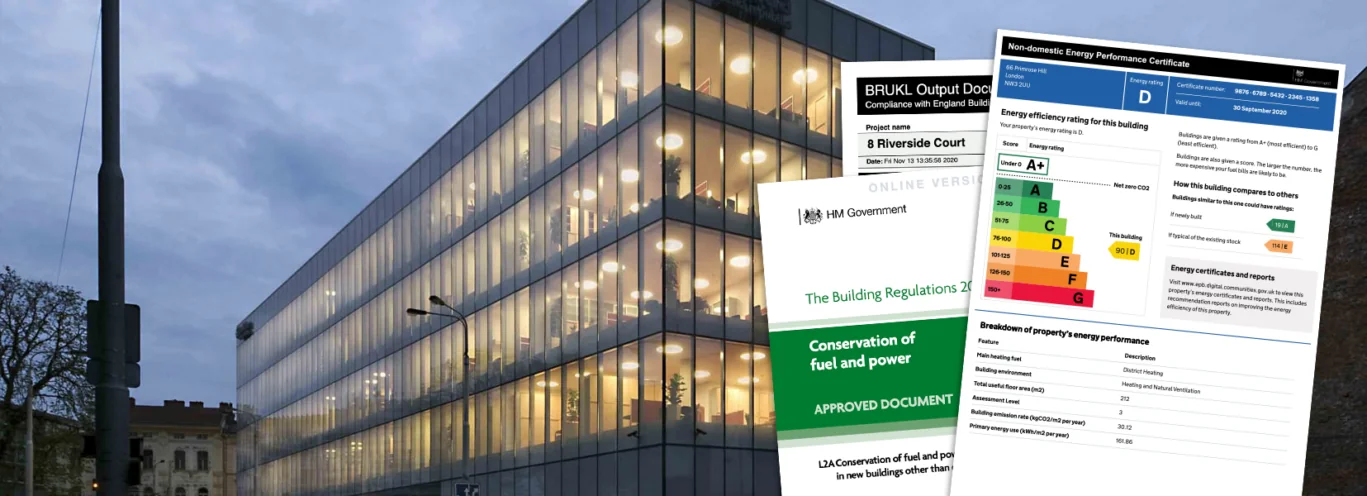
A Domestic Energy Assessor is a qualified energy professional who surveys existing homes and produces Energy Performance Certificates, commonly known as EPCs. An EPC records a property’s current energy-efficiency rating and recommends measures that could improve its performance.
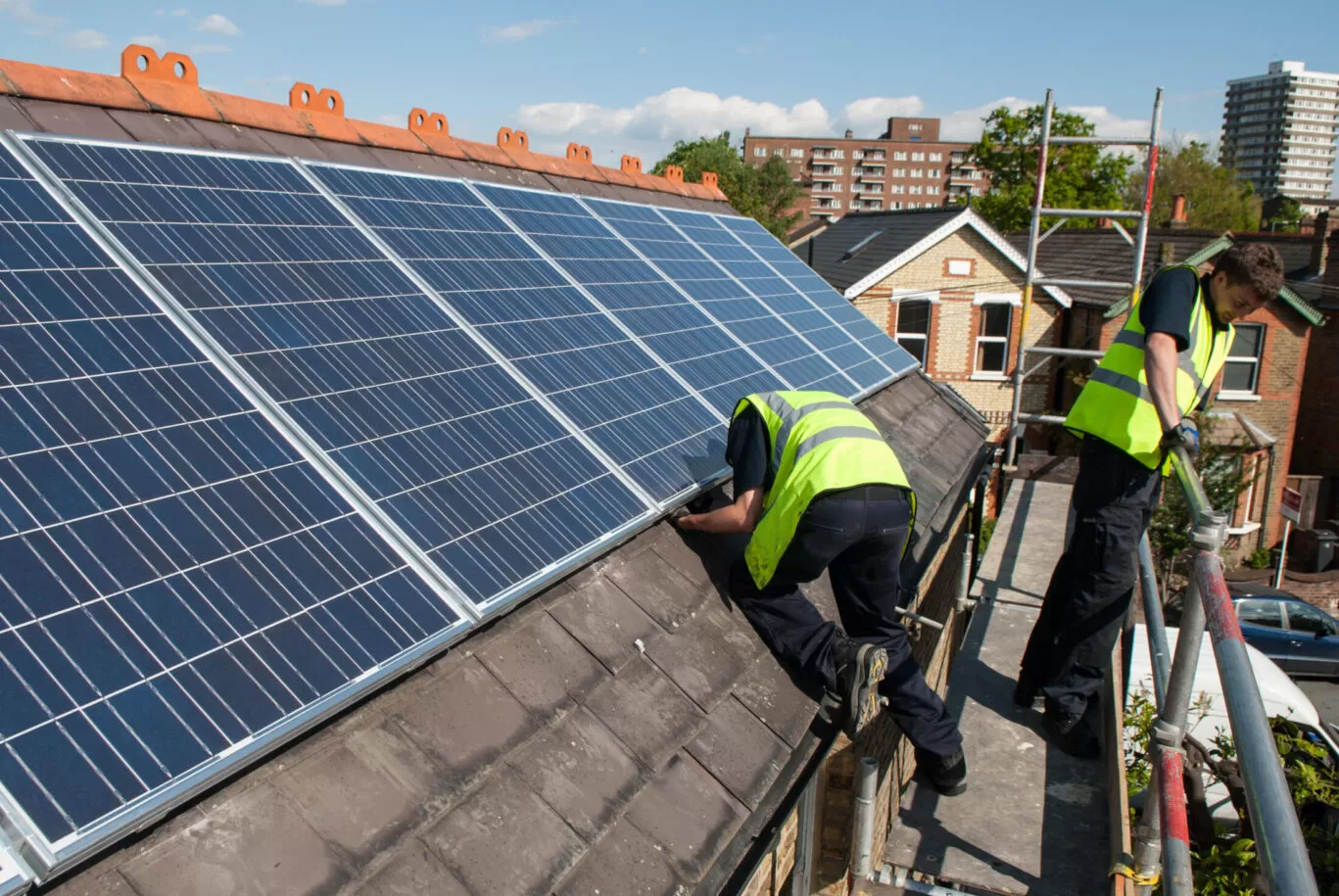
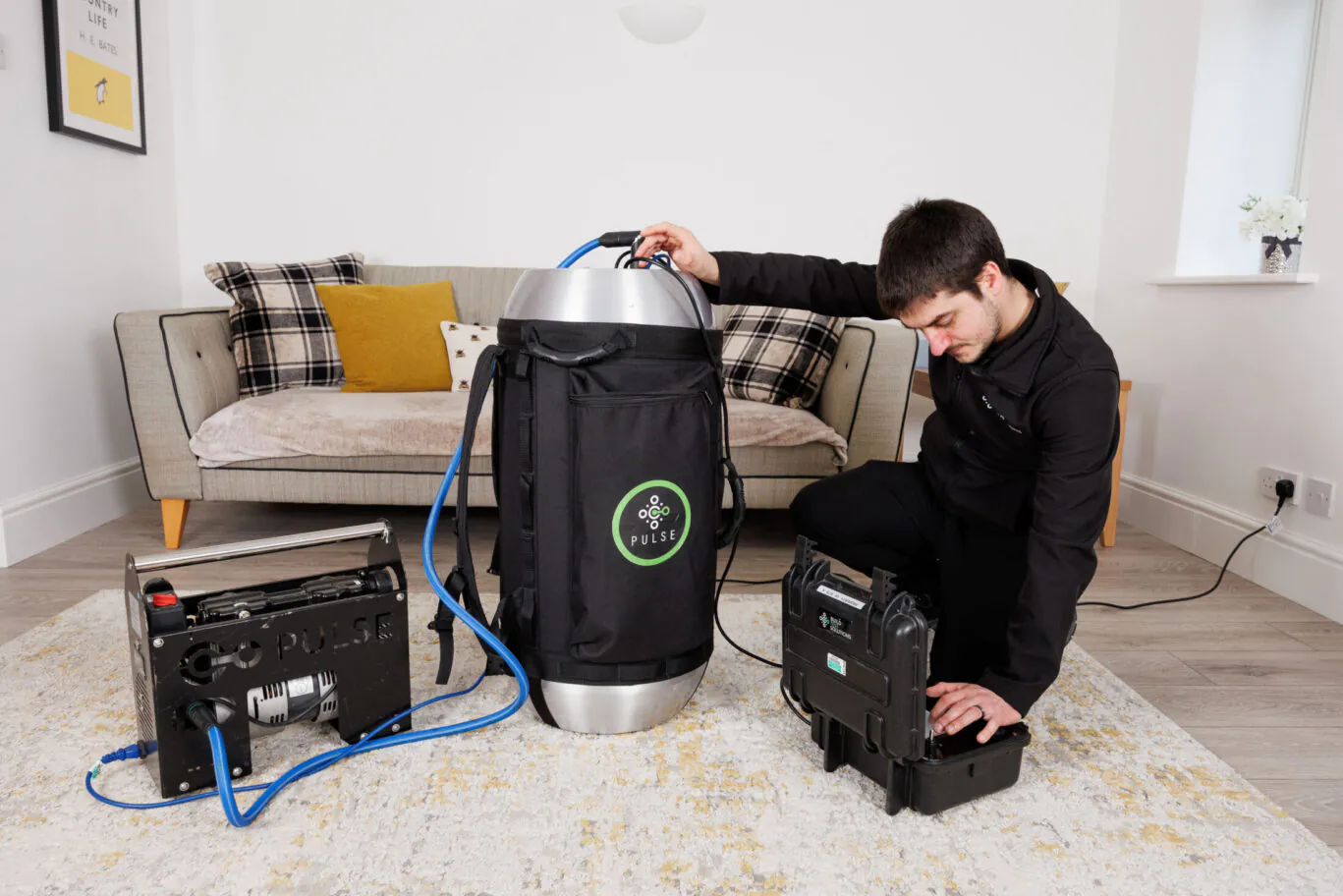
During a survey, the assessor gathers information about the property’s construction, dimensions, insulation, heating, hot-water systems, windows, lighting and other relevant features. The information is entered into approved assessment software to calculate the property’s energy rating and generate the EPC.
Training and accreditation
Before producing official EPCs, a Domestic Energy Assessor must hold an appropriate qualification and join a government-approved accreditation scheme. Accreditation provides access to approved software, technical guidance and quality-assurance arrangements.
Energy Trust offers professionally designed Domestic Energy Assessor training for people starting a new career and for property or construction professionals who want to expand their services.