



The UK Government has published its official response to the consultation on improving the energy efficiency of Socially Rented Homes, providing clarity on new standards, timelines, and support for housing providers. These changes aim to make social housing warmer, more affordable to run, and aligned with the UK’s net zero targets.
Understanding the Consultation
The consultation, Improving the Energy Efficiency of Socially Rented Homes, sought feedback on raising energy standards across social housing. Its purpose was to identify practical ways to improve the energy efficiency of homes, reduce energy bills for tenants, and set realistic compliance timelines for landlords. It explored how standards should be measured, what flexibility would be needed, and the challenges providers face in upgrading their stock.
Minimum Energy Efficiency Standards
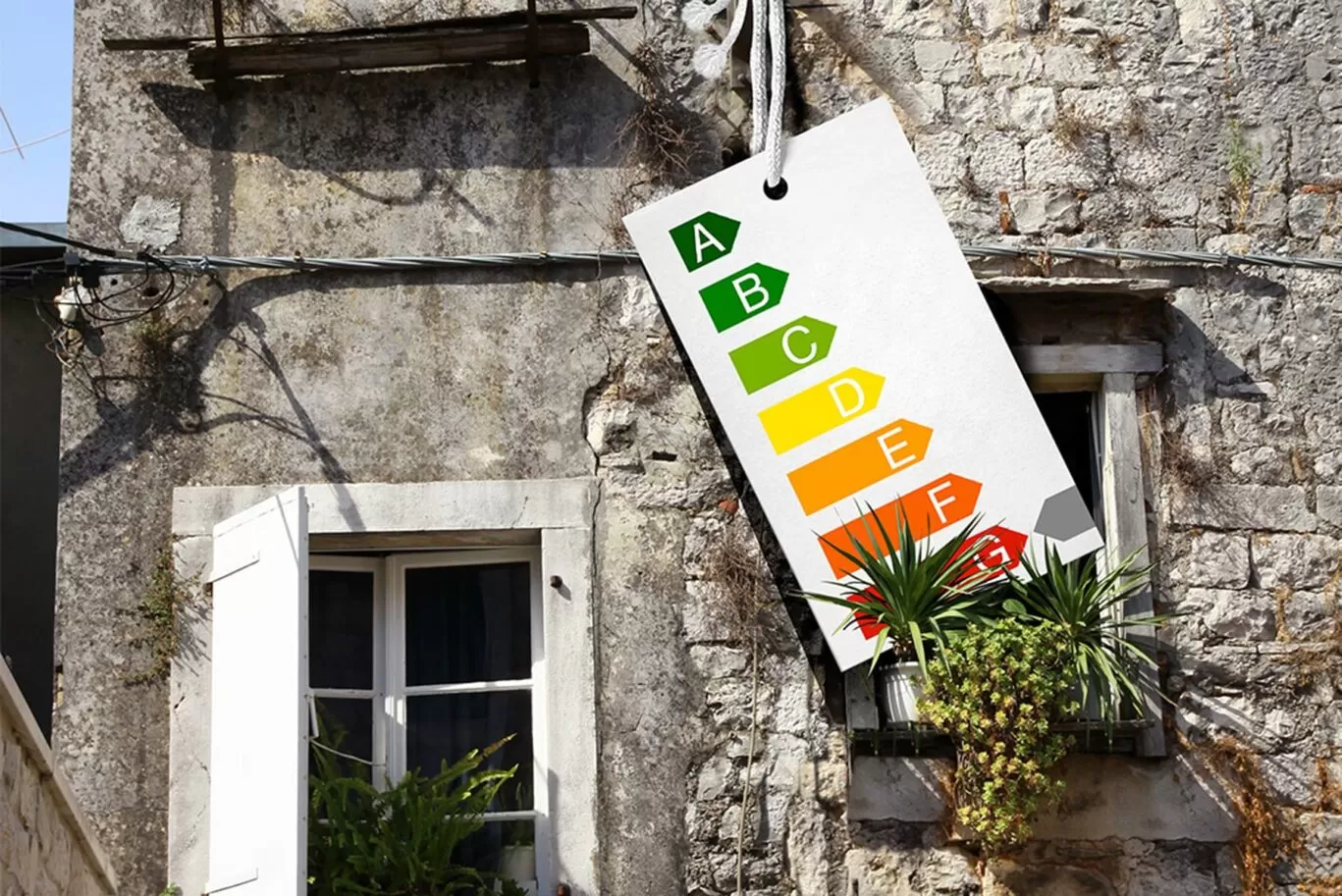
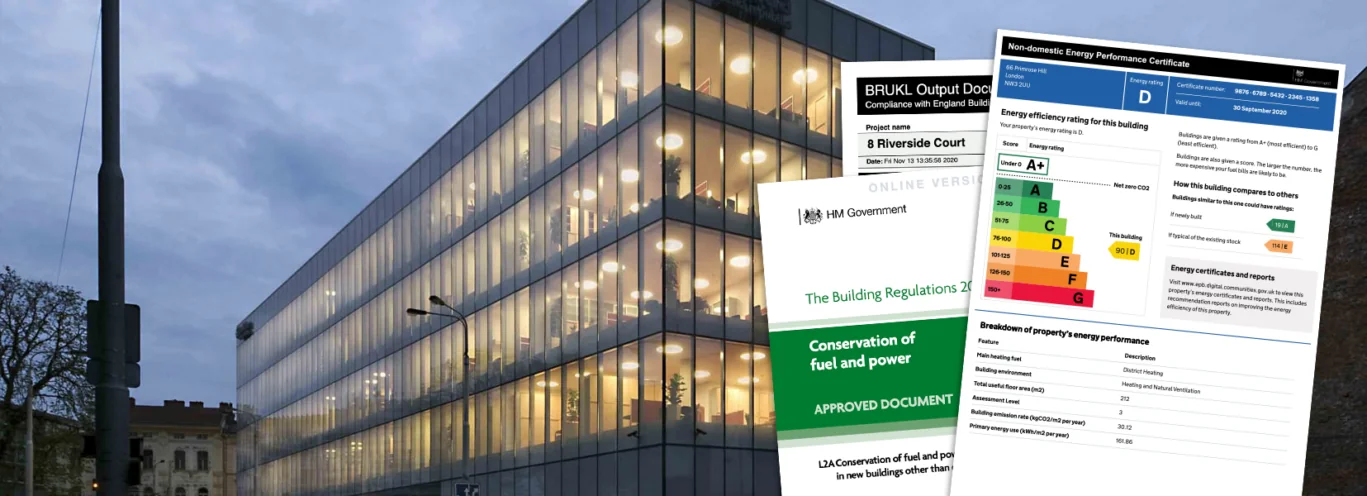
The government has now confirmed a new Minimum Energy Efficiency Standard (MEES) for Socially Rented Homes. All properties must achieve an Energy Performance Certificate (EPC) rating C or higher by 1 April 2030, using reformed EPCs. Providers can choose the metric that best suits their homes—this could be fabric performance, smart readiness, or heating systems.
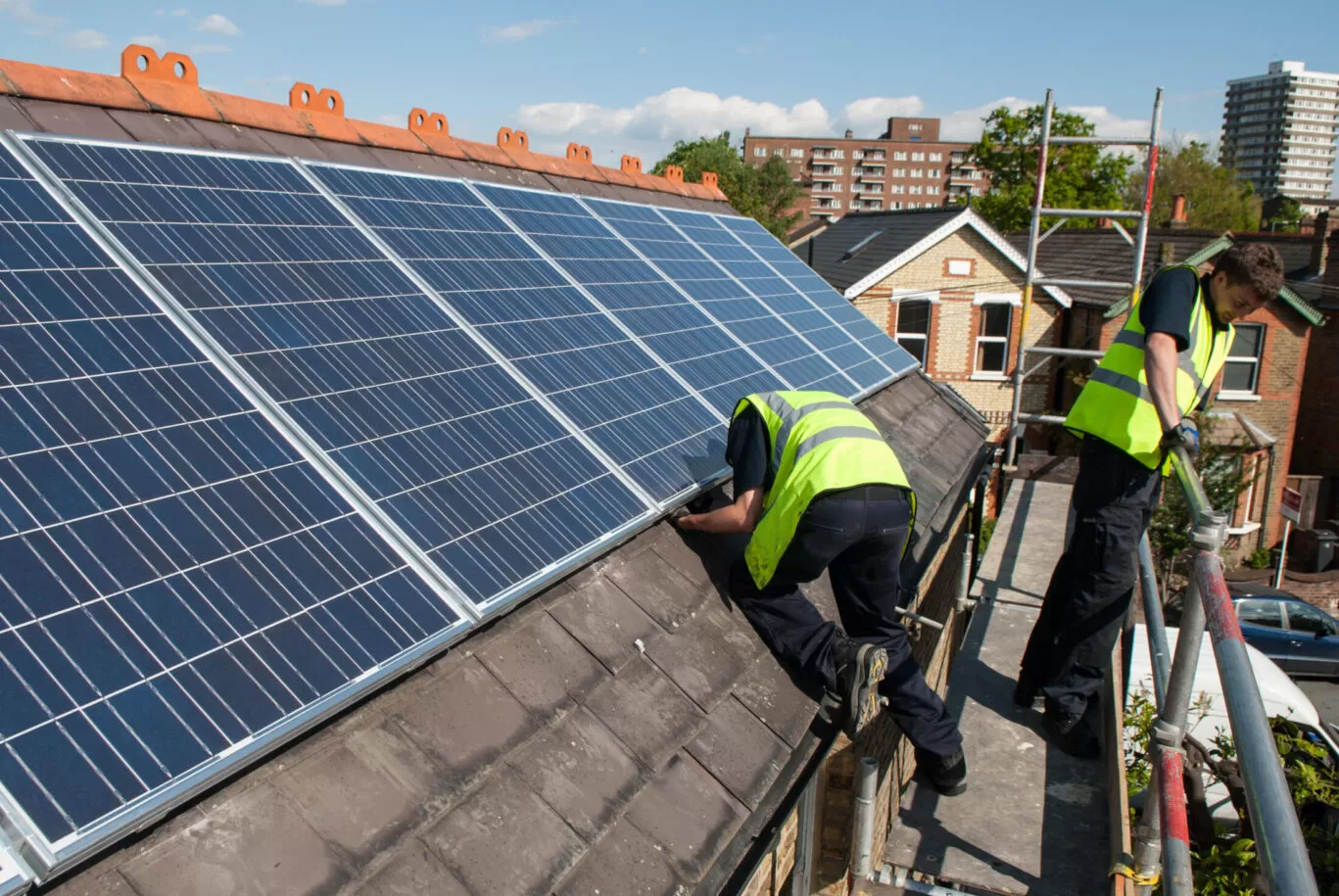
A second compliance target has also been introduced. By 1 April 2039, properties must meet EPC C against a second metric. This staged approach gives providers flexibility to plan upgrades in a way that maximises benefits for tenants, such as reducing energy bills.
EPCs remain central to compliance, and the government has confirmed they will have a ten-year validity period. EPC reforms are ongoing, and further guidance will be provided as the system is finalised.
Transition Arrangements
To ease the shift to reformed EPCs, the government will allow a transition period until 2030. Properties that already meet the current EPC C standard under the Energy Efficiency Rating methodology will count as compliant for the full duration of the certificate. This approach gives housing providers certainty that they can continue existing upgrade plans while preparing for future compliance under the reformed EPC system.
Exemptions and Flexibility
Recognising that not all properties can meet the new standards, exemptions are available. These apply where:
- tenants do not allow access
- physical or planning limitations prevent upgrades
- demolition or regeneration is planned
Large housing providers will report on properties that are exempt, ensuring transparency.
Spend Exemptions
The government has also introduced spend exemptions. Each property is allowed up to £10,000 to meet the first metric and £10,000 for the second metric. If EPC C is not achieved within these limits, an exemption can be applied, lasting ten years for each metric. Providers can spend more if they wish, or benefit from the exemption even if they do not reach the full £10,000 – for example if no further viable measures are available whilst remaining under the cost cap. Eligible costs include:
- VAT
- Administration: Up to 15% of A&A cost can be included in the spend exemption.
- PAS compliance: While PAS compliance is not mandatory as part of SRS MEES, it is encouraged. The cost of being PAS compliant can therefore be included in the spend exemption
- Certain grants: Certain third-party funding will count towards the spend exemption where this has improved the energy efficiency of the property.
- EPC costs: The cost of up to two EPCs can be included per £10,000 spend exemption
Spending prior to April 2026 and gas boiler installation is excluded.
Enforcement and Oversight
Compliance will be monitored by the Regulator of Social Housing (RSH), while the Housing Ombudsman will continue to provide tenants with a route to redress if they are unhappy with how their landlord handles complaints. This ensures both accountability and tenant protection.

Key Changes from the Consultation
The government’s final position differs from the original proposals in several ways. For instance, providers now have a choice for both the first and second metrics rather than being directed to specific types. Also, the second compliance deadline has been extended to 2039, and the cut-off for meeting the current EPC C standard has been extended to 2030. An additional spend exemption for the second metric has also been introduced, with a review planned in 2030 to assess whether adjustments are needed.
Looking Ahead
The government’s response provides a clear roadmap for the energy efficiency of Socially Rented Homes. With staged compliance deadlines, flexible metrics, and spend exemptions to support hard-to-upgrade properties, social housing providers can now plan effectively to improve their stock. For tenants, these measures promise warmer homes and lower energy bills over the next 15 years.