



The UK government is introducing new Minimum Energy Efficiency Standards (MEES) for the social rented sector in England to combat fuel poverty, reduce carbon emissions and improve tenant comfort.
The decision was published on 28 January 2026 in the government’s summary of responses to its consultation on ‘Improving the energy efficiency of socially rented homes in England’, forming part of the wider programme known as the Decade of Renewal in Social Housing. At its core, this update sets out how energy efficiency standards for socially rented homes will change over the coming years. The decisions made will affect housing associations, tenants and the professionals working to improve homes across the sector.
Although these reforms focus on socially rented homes, the policy direction closely mirrors proposals for the Privately Rented Sector, signalling a broader national push to raise standards across all rented housing.
Why Was the Consultation Launched?
The consultation was launched to gather views on introducing a Minimum Energy Efficiency Standard (MEES) for socially rented homes.
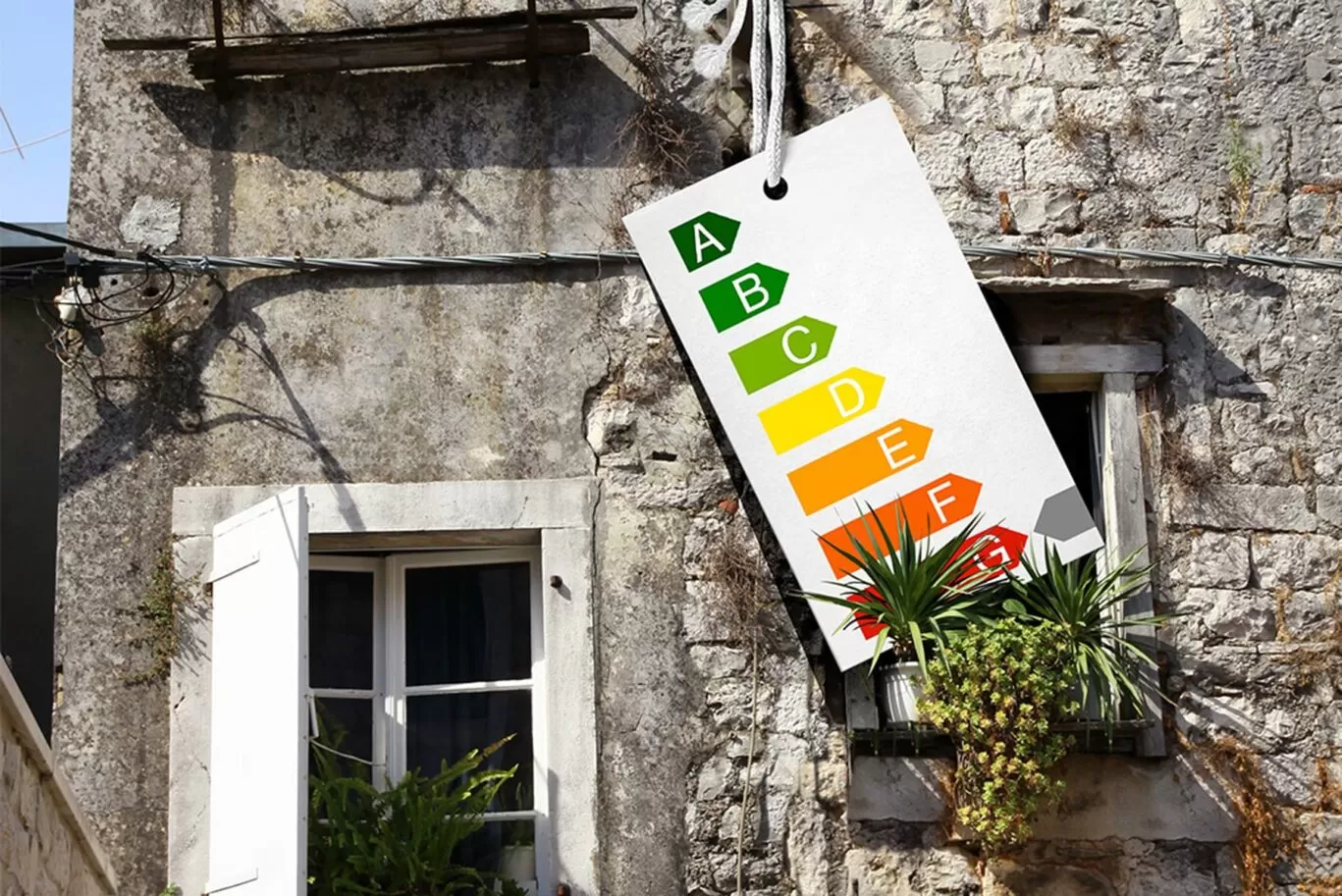
Currently, socially rented homes are not required to meet a minimum EPC rating, with existing requirements broadly equivalent to around EPC F. The government argues that this does not go far enough to ensure tenants are living in homes that are:
- warm and comfortable
- affordable to heat
- energy efficient
The proposed long-term goal is for socially rented homes to reach EPC C (or an equivalent standard) by 2030. This mirrors proposals already being developed for other rented housing and supports the government’s wider aims to reduce fuel poverty and carbon emissions.
Key Government Decisions
1. MEES Will Be Measured Against New EPC Metrics
The Proposal
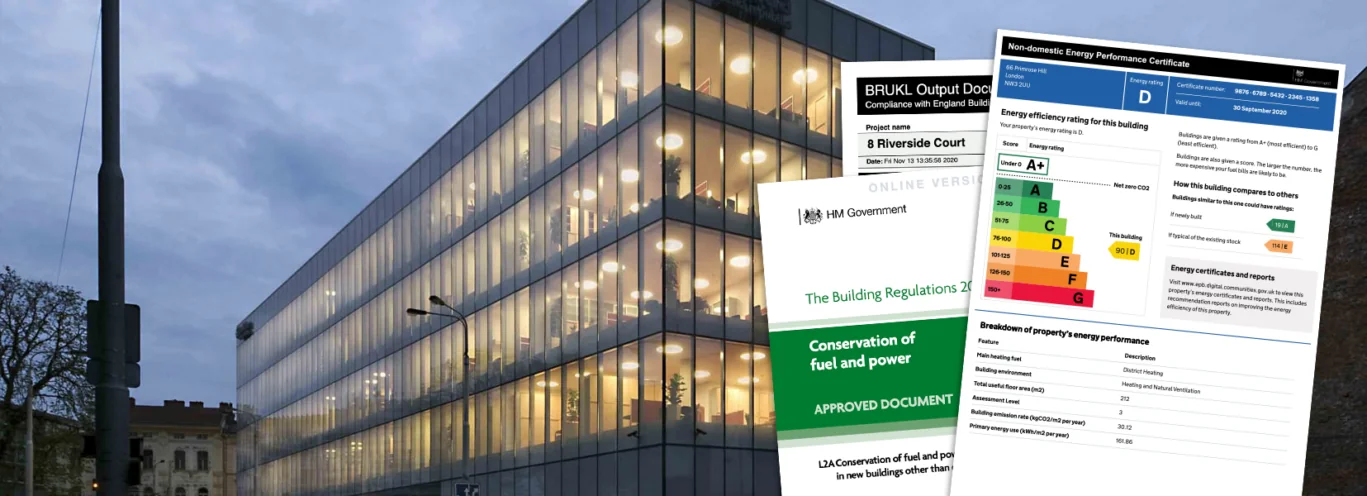
The consultation proposed that social housing MEES should be assessed using the government’s new metrics, that are proposed following Energy Performance Certificate (EPC) reform which assess the energy performance of buildings based on the following:
- Fabric performance
- Smart readiness
- Efficiency and emissions of the heating system
The Response
The government has confirmed that compliance will be judged using these new EPC metrics, and that a valid EPC will be required.
In practical terms, social housing providers must:
- Ensure all new and existing socially rented homes reach EPC C or equivalent by 1 April 2030, unless a valid exemption applies. This means they must meet EPC C against one EPC metric by 2030, choosing from:
- Fabric Performance
- Smart Readiness
- Heating System
- By 1 April 2039, homes must meet EPC C against a second metric, or an exemption must be registered.
This approach allows providers to plan strategically, focusing on the improvements that will have the biggest impact on their socially rented homes and the people living in them.
2. Compliance Will Be Phased Rather Than Immediate
The Proposal
The consultation suggested that all socially rented homes should fully comply with MEES by 2030.
The Response
Instead, the government has introduced a phased model:
- Providers will only be required to meet one metric by 2030 rather than two.
- Providers will be required to meet the second metric by 2039.
This responds to the concerns raised about deliverability and affordability, balancing the need for social housing providers to also have sufficient financial capacity to build new social and affordable homes and meet other regulatory commitments. It also helps reduce disruption for tenants and allows improvement programmes to be delivered more strategically.
Providers will no longer be required to apply the ‘Fabric First’ principle. Social landlords will have a choice of which metric they choose to meet (smart, heat or fabric) by 2030 and 2039 and can therefore consider which metrics are best suited to their stock and will deliver the biggest benefits to their tenants. Where properties have insufficient fabric insulation, they are encouraged to prioritise compliance via fabric upgrades. However, where other metrics could provide greater benefits to tenants – for example greater bill savings – social housing providers will have the flexibility to choose them.
3. A £10,000 Spend Exemption Will Apply
The Proposal
The consultation proposed that the exemptions outlined in the Decent Homes Standard consultation should also apply to MEES as well as introducing a MEES specific exemption called the ‘Spend Exemption.’
This would cap the required spend on energy efficiency measures, with the government expressing a preference for this to be set at £10,000 in the consultation. This would be time limited and last for a period of 10 years.
The Response
The government has confirmed its intention to introduce:
- A £10,000 spend exemption
- Valid for 10 years
- Coming into effect from 1 April 2030
More details on how the exemption will work in practice will be included in the full consultation response.
4. Transitional Arrangements Will Recognise Early Action
The Proposal
To recognise early action and support a smooth move to the new EPC system, the consultation proposed transition arrangements for socially rented homes, including:
- Accepting existing EPC C ratings as compliant until the certificate expires
- Ensuring homes upgraded during the changeover period would not be disadvantaged
The Response
The government has proposed that:
- New EPCs issued between 2026 and 2030 will display both old and new methodologies for comparative purposes – this was to ensure that providers who are currently working toward EPC C standards but have not yet achieved them were able to benefit from the transitionary arrangements.
- Homes that have already achieved and EPC rating of C prior to the introduction of new EPCs should be recognised as compliant with the future standard until that expires.
This approach is intended to allow housing providers to continue improving socially rented homes while maintaining progress on wider housing delivery plans. The government also proposed an additional transition period after the introduction of new style EPCs between 2026-28.
What Will This Mean for the Sector?
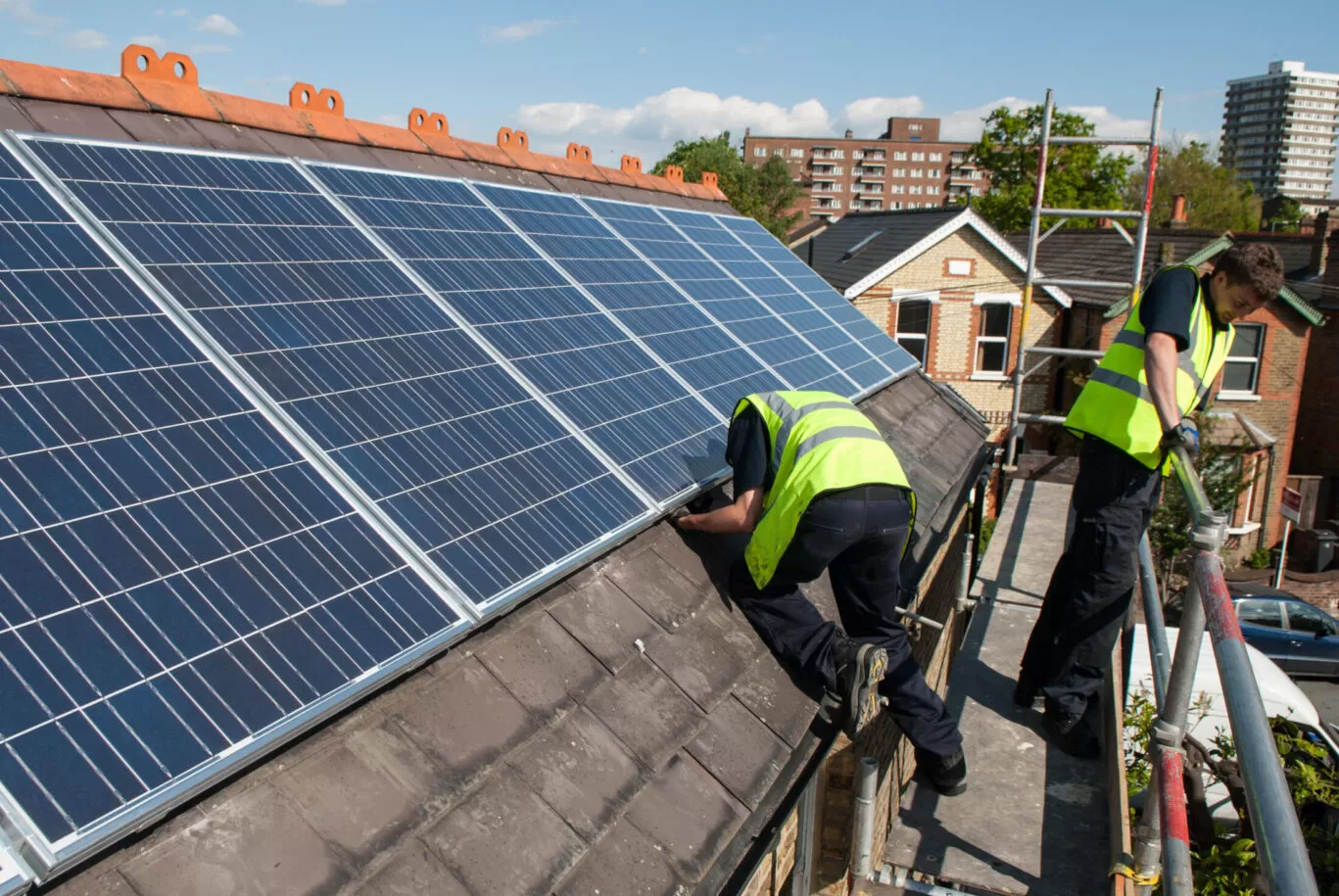
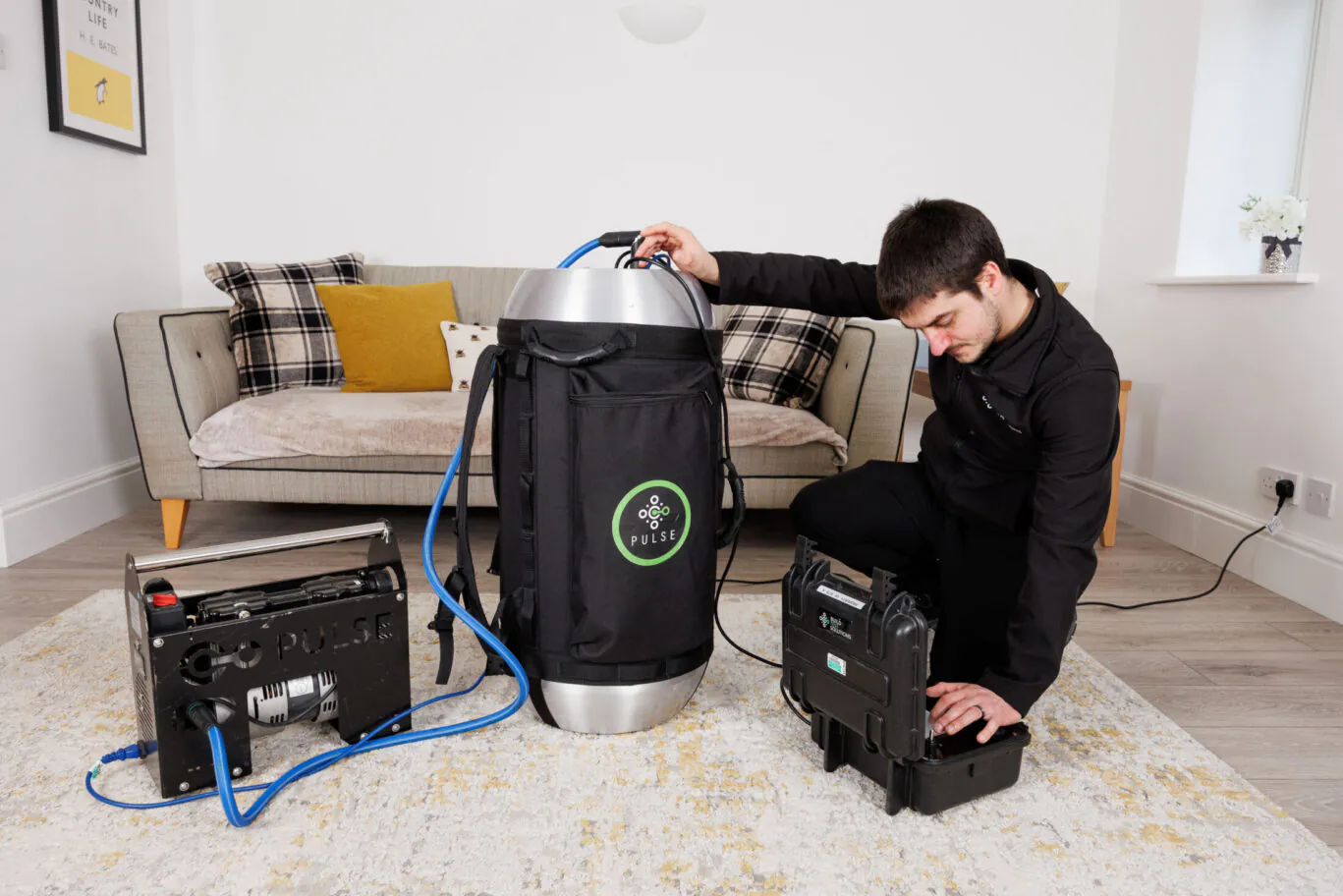
Introducing MEES into social housing is a major milestone for energy efficiency and retrofit in England. New requirements will accelerate retrofit investment and motivate more to undertake retrofit works.
This should aid the delivery of warmer, healthier homes for tenants across the country and reduce fuel poverty. Not only that, but it is expected to sustain and generate skilled jobs for domestic energy assessors, retrofit professionals and contractors.
This is a significant step forward in improving housing quality and supporting the low-carbon transition.
More Details Still to Come
While this announcement sets the direction of travel, it is not yet the full picture. The government has not yet published its complete consultation response, which will provide further clarity on enforcement, exemptions and implementation details. For now, social housing providers and retrofit professionals should begin preparing for the phased introduction of MEES – with 2030 now firmly set as the first major milestone.
You can read the government’s full response summary here.