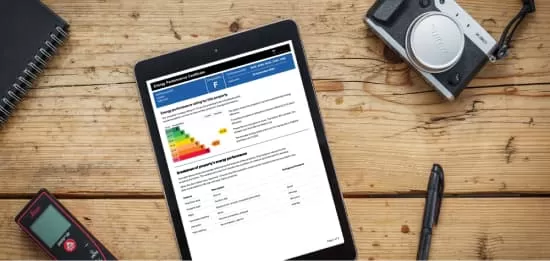

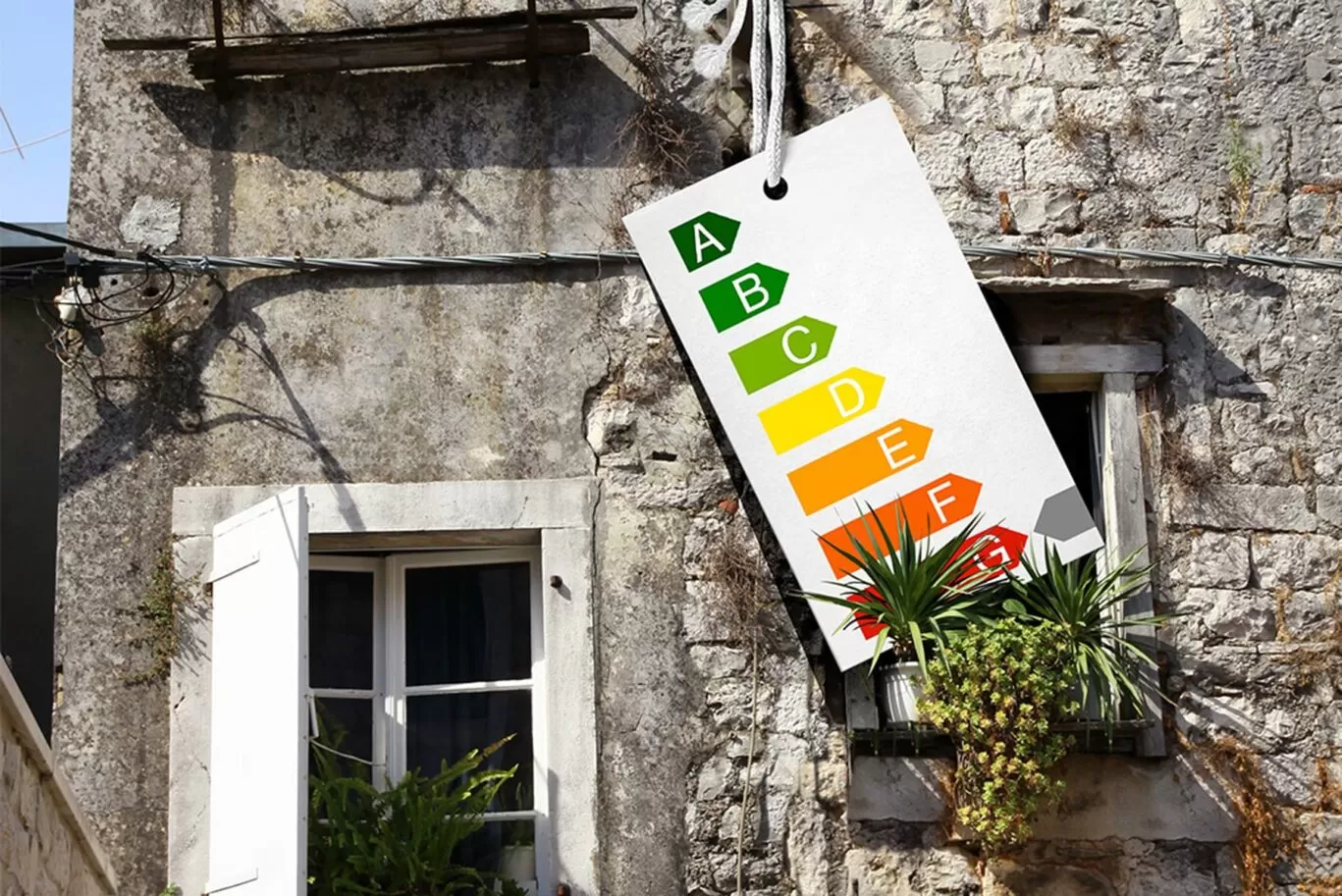


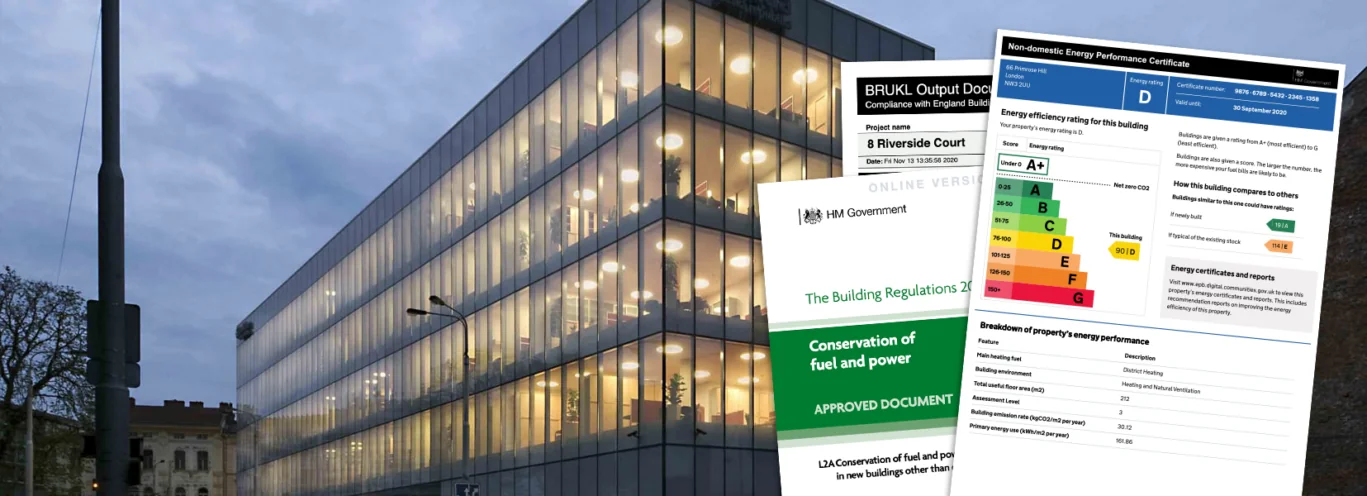
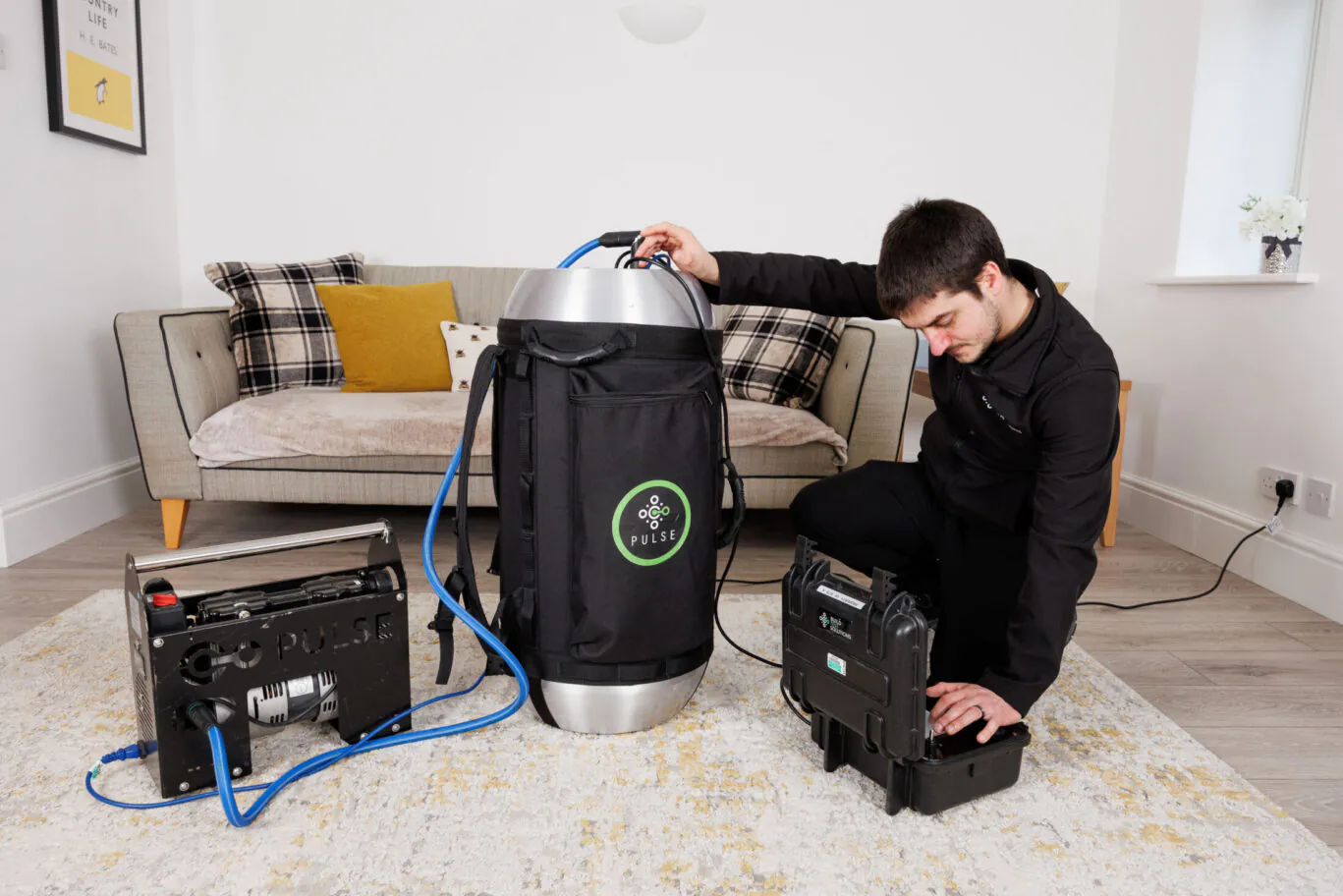
The EPC Accuracy Research Project, commissioned by the Department for Energy Security and Net Zero (DESNZ), examined why the energy use predicted by Energy Performance Certificates (EPCs) differs from actual household energy consumption. Using smart meter data, temperature monitoring and forensic investigations, the research explored where EPCs perform well and where inaccuracies are most likely to occur.
While the report does not provide a definitive list of the “most inaccurate” property types, it does identify several categories of homes where larger gaps between modelled and measured energy use are observed. These findings are particularly relevant as EPCs continue to play an increasingly important role in housing policy, retrofit decisions and property transactions.
The Purpose Of EPCs
Before looking at which homes show the largest discrepancies, it is important to understand what EPCs are designed to do.
The report stresses that EPCs were not created to predict the exact energy consumption of a specific household. Instead, they are intended to provide a standardised way of comparing the energy efficiency of different homes under the same assumed conditions.
This distinction matters because some differences between modelled and actual energy use are expected. However, the EPC Accuracy Report found evidence of systematic patterns in certain property types that suggest some homes are more likely to experience larger performance gaps than others.
Older Homes
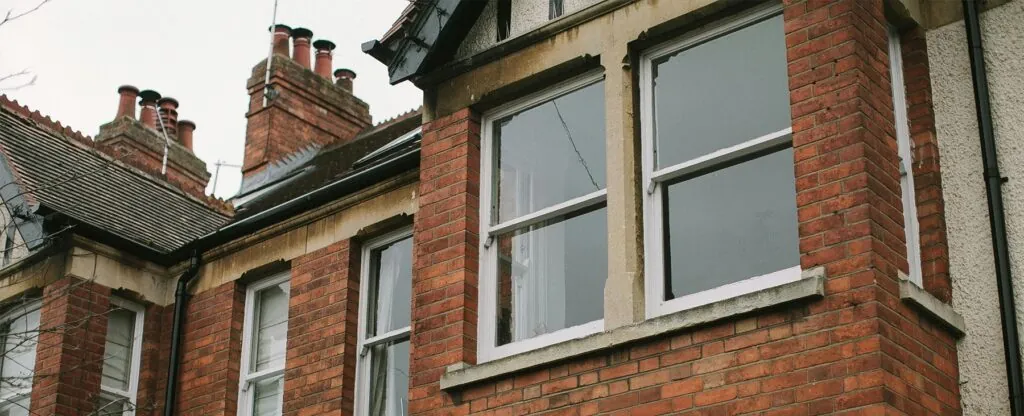
One of the report’s key findings relates to older properties.
Researchers found that the performance gap for heat loss was largest in older homes, particularly those with poorly insulated walls, roofs and floors. The analysis suggests that some older homes may lose less heat in reality than EPC models assume. So, some older homes may perform better in practice than EPC models predict. This indicates that current assumptions relating to heat loss may be too pessimistic for some parts of the older housing stock.
Importantly, the report found that this trend differs from newer homes, where the pattern can reverse and measured heat loss can be higher than modelled heat loss.
Homes With Poor Energy Efficiency Ratings
The EPC Accuracy Report found that lower-rated homes show some of the largest differences between modelled and measured energy use.
Previous research referenced within the report found that EPC F and G rated gas-heated homes were predicted to use around 50% more energy than was actually recorded through metering.
The report also highlights that there is relatively little difference in measured energy use between EPC bands D to G, despite the model predicting significantly higher energy consumption as ratings worsen.
These findings suggest that EPCs may increasingly overestimate energy use in some lower-rated homes, particularly where assumptions about heat loss are not fully aligned with real-world performance.
Newer Homes
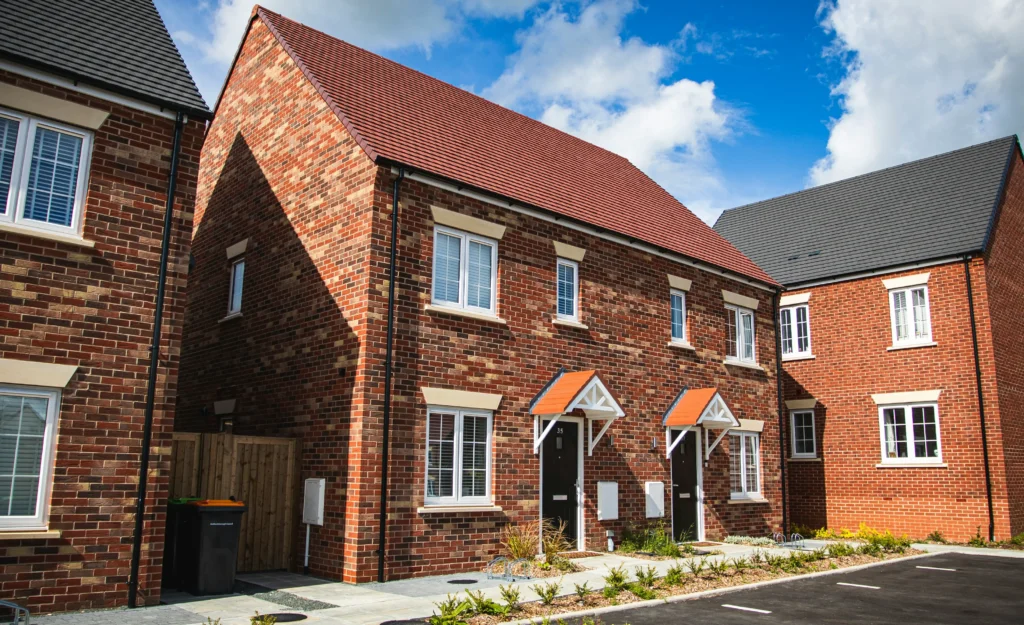
While much of the report focuses on older housing stock, the researchers also identified potential accuracy issues in newer homes.
Interestingly, the report found that the relationship between modelled and measured heat loss can reverse in newer properties. Whereas older homes often appear to lose less heat than EPC models predict, some newer homes were found to have higher heat loss than modelled.
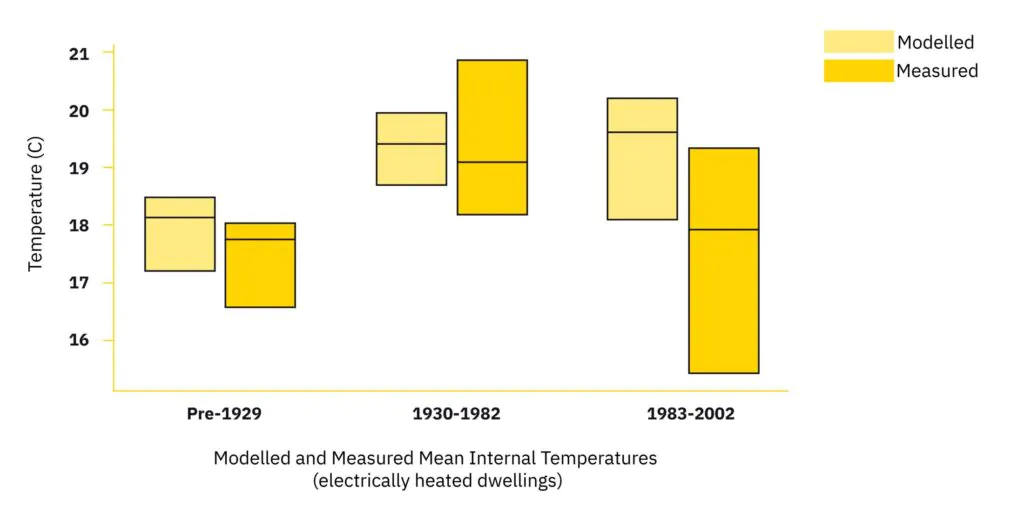
The report suggests this may be linked to factors such as construction quality, thermal bypass effects, or differences between assumed and actual building performance. It also notes that newly built homes assessed using full SAP calculations can receive different outcomes when later assessed using RdSAP.
This highlights that EPC inaccuracies are not limited to older buildings and can occur at both ends of the housing stock.
Electrically Heated Homes
Electrically heated homes also stood out in the research.
The report found that electrically heated homes used significantly less energy than SAP models predicted, with an average performance gap of 31.4%, compared with 16.0% for gas-heated homes. At its peak, this gap even reached 47% in the winter months.
Researchers suggest this larger discrepancy may be linked to the complexity of modelling electrically heated properties. The report mentions that the larger performance gap may be linked to the additional complexity involved in modelling electrically heated homes, including heating responsiveness, zoned heating behaviour and electricity tariffs.
The report also notes that many electrically heated homes are flats, which often have lower heat loss than more detached property types.

Outdated EPCs And Homes Upgraded After Assessment
One of the most important findings in the report is that EPC inaccuracies are often caused not by the property itself, but by changes that occur after the EPC has been produced.
The researchers found that more than half of the reduction in the performance gap came from accounting for energy efficiency improvements installed after the original EPC assessment. These improvements included measures such as boiler replacements, insulation upgrades and other energy efficiency interventions.
As a result, homes that have undergone significant improvements since their EPC was lodged may no longer be accurately represented by the certificate on record.
The report concludes that EPC accuracy could be significantly improved if EPCs were updated automatically when regulated energy efficiency measures are installed.
Why This Matters To Domestic Energy Assessors
For Domestic Energy Assessors, the findings reinforce the importance of understanding the limitations of EPC modelling and the factors that can influence accuracy.
The report highlighted the impact of outdated EPCs, with more than half of the improvement in accuracy achieved by updating models to reflect energy efficiency measures installed after the original EPC assessment.
As EPCs continue to influence retrofit funding, regulation and consumer decisions, improving accuracy will become increasingly important. Understanding which homes are more likely to experience larger performance gaps can help assessors, property professionals and policymakers make better-informed decisions and support the ongoing development of more accurate building energy models.
Level Up Your Skills In Energy Assessment
If you’re involved in the built environment and want to take your skills to the next level, Energy Trust can help you reach your goals. If you’re at the start of your energy assessment career, you may be interested in becoming a Domestic Energy Assessor (DEA). Our Domestic Energy Assessor qualification provides the training needed to enter the profession and begin producing EPCs for existing dwellings.
Already working as a DEA? We also offer progression routes to help you expand your expertise, including the Level 3 Award in Energy Efficiency for Older and Traditional Buildings and the Retrofit Assessor Certificate. These qualifications can help you develop specialist knowledge and broaden the range of services you offer within the energy efficiency and retrofit sectors.
Explore our training courses today and take the next step in your energy assessment career.