




Thinking about becoming a Non-Domestic energy assessor? If you’re already working as a Domestic Energy Assessor (DEA), moving into commercial buildings can be a natural next step. In this guide, we’ll walk through a typical day in the life of a Commercial EPC Assessor, from planning surveys and visiting sites to producing Energy Performance Certificates (EPCs) and exploring future career opportunities.
What Is Non-Domestic Energy Assessment?
A Non-Domestic Energy Assessor (NDEA) is responsible for assessing the energy performance of commercial buildings such as offices, warehouses, retail units and industrial premises.
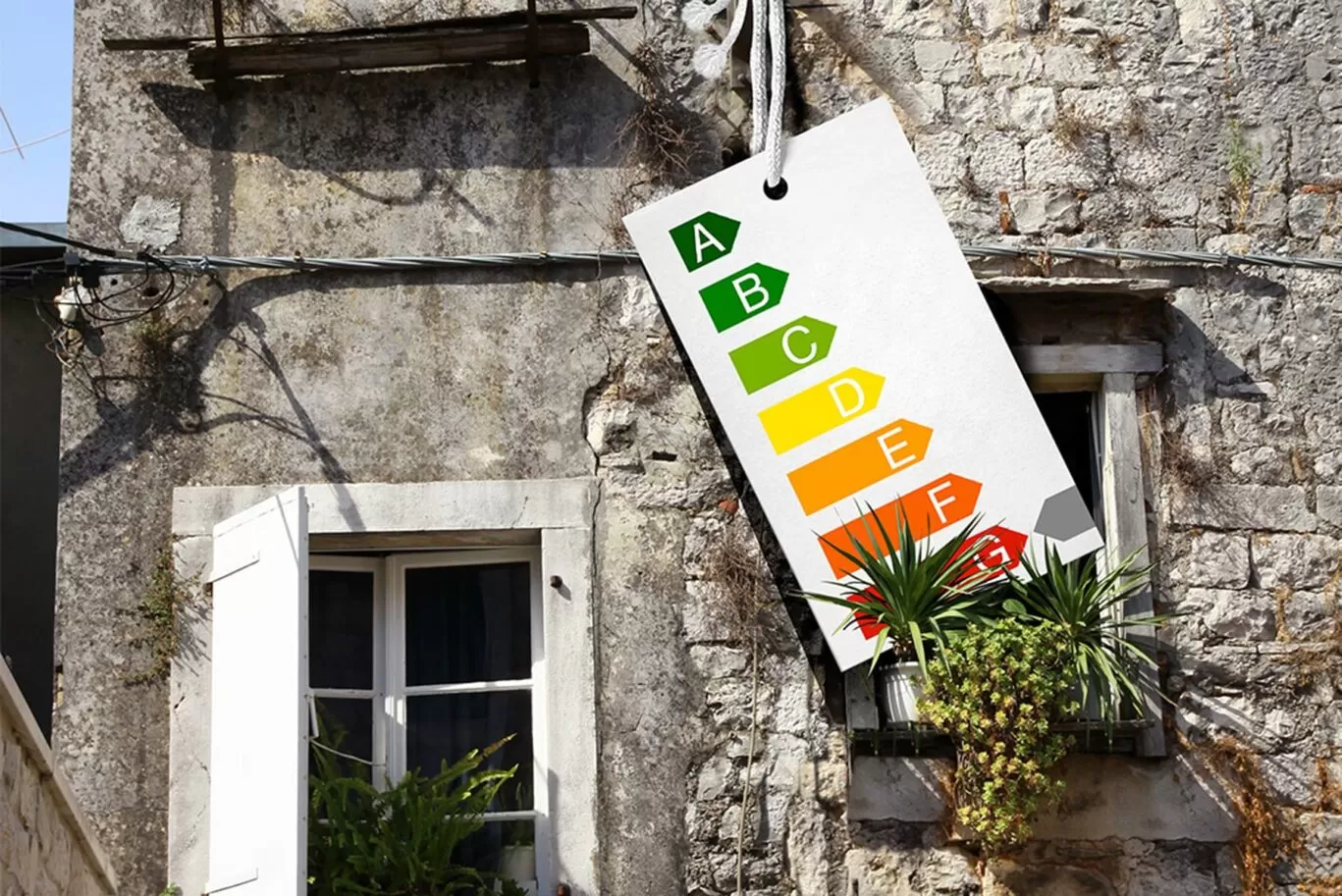
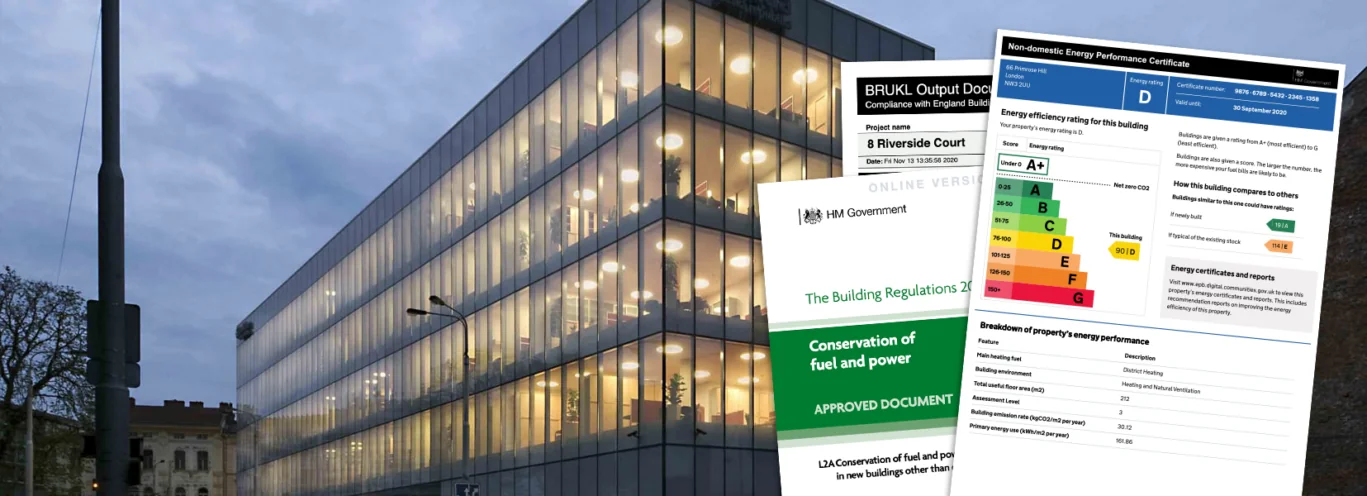
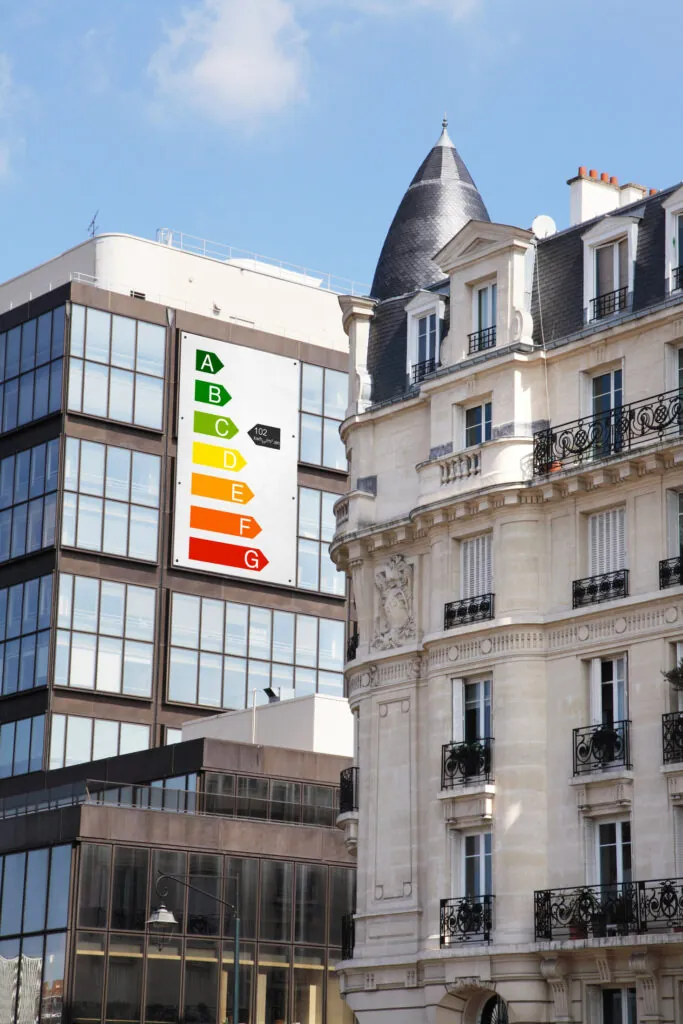
Following a site survey, the assessor produces a commercial Energy Performance Certificate (EPC), which rates the building’s energy efficiency from A (being the most efficient) down to G (being the least efficient). It also contains recommendations for improving the building’s performance. Like domestic EPCs, commercial EPCs help building owners understand how energy is used and where improvements could be made to reduce energy costs and carbon emissions.
Commercial EPCs are “required when a building is constructed, sold or rented out” according to the government’s guide to EPCs for the construction, sale and let of commercial dwellings which is based on the Energy Performance of Buildings Regulations 2012 and the Energy Performance of Buildings Directive (EPBD).
The EPC rating is also used to demonstrate compliance with the Minimum Energy Efficiency Standards (MEES), which is required for rented commercial properties.
The Minimum Energy Efficiency Standards, known as MEES, came into force on 1st April 2018 meaning landlords may not let or renew a lease on their property if the EPC is F or G rated. From 1st April 2023, owners could not continue letting a commercial property which is already let if that property has an EPC rating of band F or G. So, EPCs are essential for commercial buildings to be let or to have their lease renewed.
A Typical Day In The Life Of An NDEA
One of the things many assessors enjoy most about the role is the variety. They spend time working independently in the office, travelling between clients, and surveying a large range of commercial buildings.
Here’s what a typical day might look like.
Organising Clients And Surveys
Many NDEAs begin the day in their office with a cup of coffee and a look through their diary.
The first task is often checking the day’s schedule and making sure everything is in place for upcoming surveys. They may contact clients to confirm appointment times and explain exactly how the survey will work. Although many assessors have email templates ready to use, these are adapted to suit each building and client individually. Different types of buildings will require slightly different arrangements before the visit takes place.
At this point it is also a good time to double check that all the necessary equipment is present, in good working order and fully charged. There’s nothing worse than arriving at a property and realising that your laser measure’s batteries are dead!

Initial Investigation Of The Commercial Building
In many cases, there is a lot an assessor can deduce before even stepping foot on the property. Whilst at the office, an NDEA could look at an upcoming property on Google Maps to get a feel for where the building is situated, the scale of the property, and determine its orientation. They could also look at any previous EPCs available on the register to get an idea of what to expect.
Also, communication with the client in advance can be incredibly useful to gain documentary evidence which would otherwise be unavailable. Documents such as Operation and Maintenance (O&M) manuals can play an important role in verifying the specifications of a commercial building’s fabric and mechanical services, especially when these details can’t be confirmed through the on-site inspection alone.
Certain buildings may require Risk Assessments and Method Statements (RAMS) to be completed.
Heading Out
Now that all arrangements are confirmed and the property has been investigated, it’s time to gather the surveying equipment, relevant Personal Protective Equipment (PPE) and head out to the first appointment.

The Site Visit
On arrival, a Commercial EPC Assessor will introduce themselves to the client, show their ID and explain how the survey will be carried out. Walking through the process helps everyone understand what areas of the building will need to be accessed and approximately how long the visit is expected to take. It will often be necessary to seek permission from the building occupants to take relevant photos, as there may be sensitive business operations occurring in the building during the survey. Some buildings may need to be surveyed outside of usual operational hours.
The survey itself requires careful attention to detail. Throughout the inspection, the assessor works through the building systematically, recording important building characteristics including:
- Wall, roof and floor construction
- Windows and glazing
- Heating and cooling systems
- Ventilation
- Lighting
- Building services
- How different areas (zones) of the building are used
Accurate measurements are also taken throughout the building. These dimensions are checked carefully as they are essential for producing an accurate EPC later. Using these measurements, the assessor creates or annotates a detailed floor plan including measurements for walls, windows, ceilings and floors. However, it’s not necessary to draw the final version of this floor plan whilst on site, as that may be difficult and awkward. Many assessors choose to draw a rough floor plan on site, recording all key information, and then use the rough draft to create a neat version once they’re back at the office.
Photographs are taken throughout the survey to provide supporting evidence for the assessment. Before leaving site, an experienced Non-domestic energy assessor will normally carry out one final check to make sure every area has been measured and photographed correctly. The last thing they want is to have to return to capture missed information!
Once everything has been recorded, they thank the client and either head to the next survey or return to the office.
Back At The Office To Write Up The EPC
With the survey complete, it’s time to create the commercial EPC.
Back at the office, an assessor may grab a hot drink before sitting down at the computer to begin entering the survey data. Using their preferred SBEM/DSM software platform, the NDEA enters the property details, creates the building’s different zones, and carefully transfers all the information collected during the survey into a detailed digital model. This stage requires concentration and attention to detail. Every measurement, construction type and building service contributes to creating an accurate representation of the building.
Once the inputs are complete, the software generates the building’s official Energy Performance Certificate and Recommendations Report, which can then be lodged on to the government’s EPC Register via their Accreditation Scheme.
Storing Files For Audits
The assessor is not quite done with this assessment just yet. The final step is to securely store the gathered information for a minimum of 10 years (although it could be more depending on the requirements of their specific accreditation scheme). This allows the assessor to protect themselves against legal claims, provide evidence for audits and comply with active legal requirements. So, the NDEA may choose to store paper-based documents and upload all relevant files onto a secure hard drive or cloud storage service. Whatever method they choose, it must be secure and compliant with GDPR and Data Protection legislation.
Payment
Some assessors choose to ensure payment has been received before lodging the certificate, although this is simply a matter of personal business preference and varies between assessors. Each assessor must determine their own business practices regarding payment.

Career Paths For NDEAs
For many professionals, becoming a Non-domestic energy assessor is the next logical step after qualifying as a Domestic Energy Assessor.
Many of the core skills transfer naturally, including carrying out surveys, measuring buildings, interpreting construction details and producing EPCs. The main difference is that commercial buildings are often larger and more complex, as is the required software.
The knowledge gained as a Commercial EPC Assessor also opens the door to a wide range of future opportunities. Many NDEAs later move into retrofit, where their understanding of building fabric and energy performance provides an excellent foundation for roles such as Retrofit Assessor, Retrofit Designer and Retrofit Coordinator. As the demand for improving the energy performance of buildings continues to grow, these additional qualifications can provide valuable opportunities to further develop your career.
Become An NDEA
That’s a day in the life of an NDEA in a nutshell.
While every day brings different buildings and different challenges, the role offers a rewarding mix of technical surveying, problem solving and independent working. For Domestic Energy Assessors looking to broaden their skills, becoming a Commercial EPC Assessor can be a natural and rewarding progression.
If this sounds like the career for you, Energy Trust’s Non-domestic Energy Assessor course could be the perfect next step.
Delivered in a live online classroom over four days, followed by a remote portfolio of practical projects and academic assignments, the qualification gives you the knowledge and practical skills needed to operate as a fully competent Non-Domestic Energy Assessor. If you’re ready to expand your career into commercial buildings, take a look at our NDEA training and see if it’s the right fit for you.