
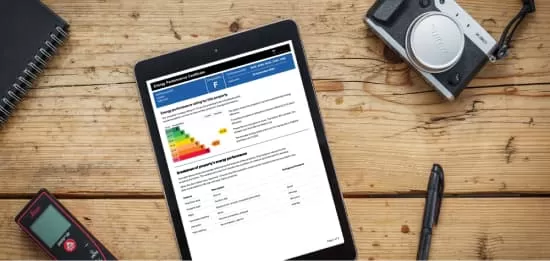

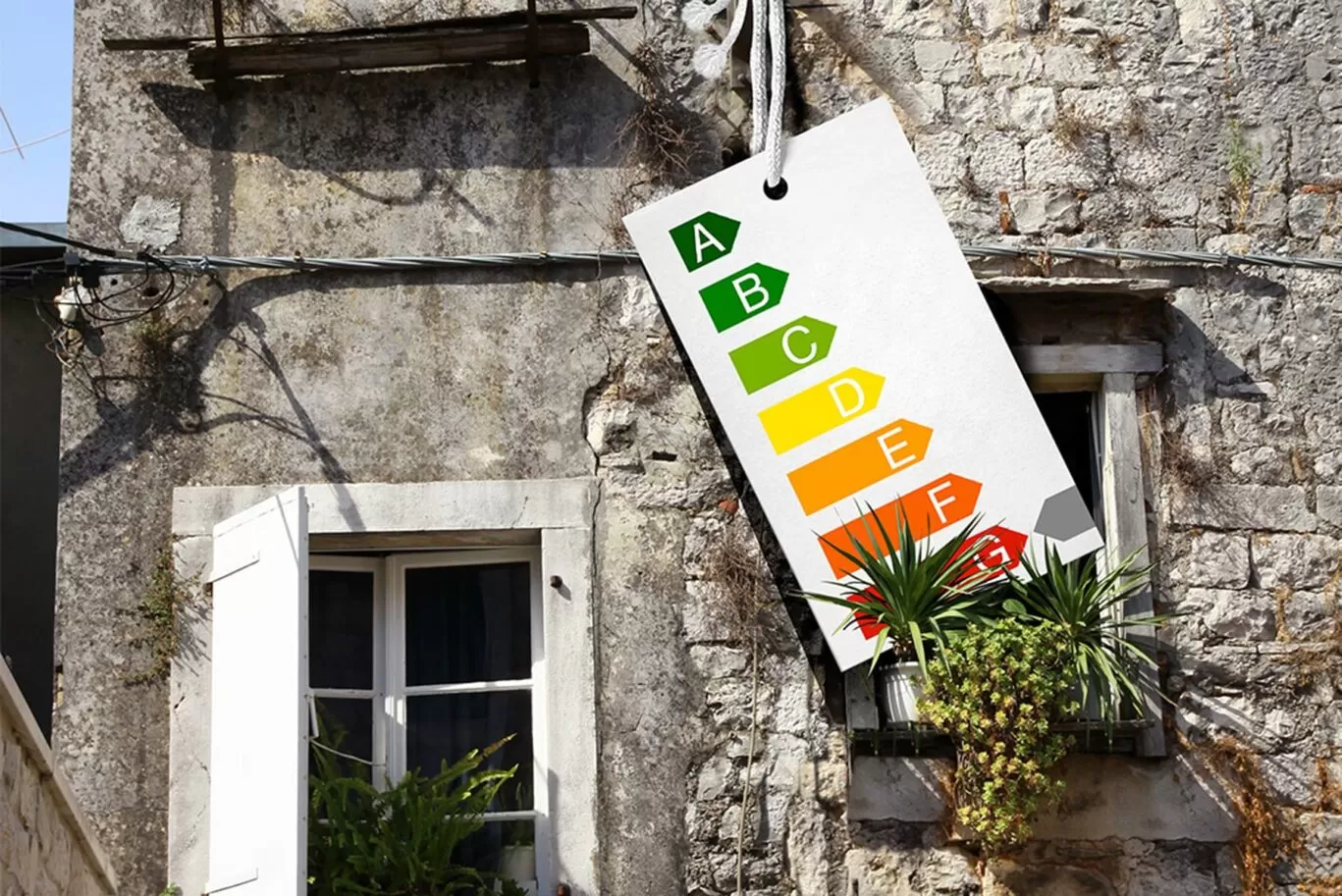


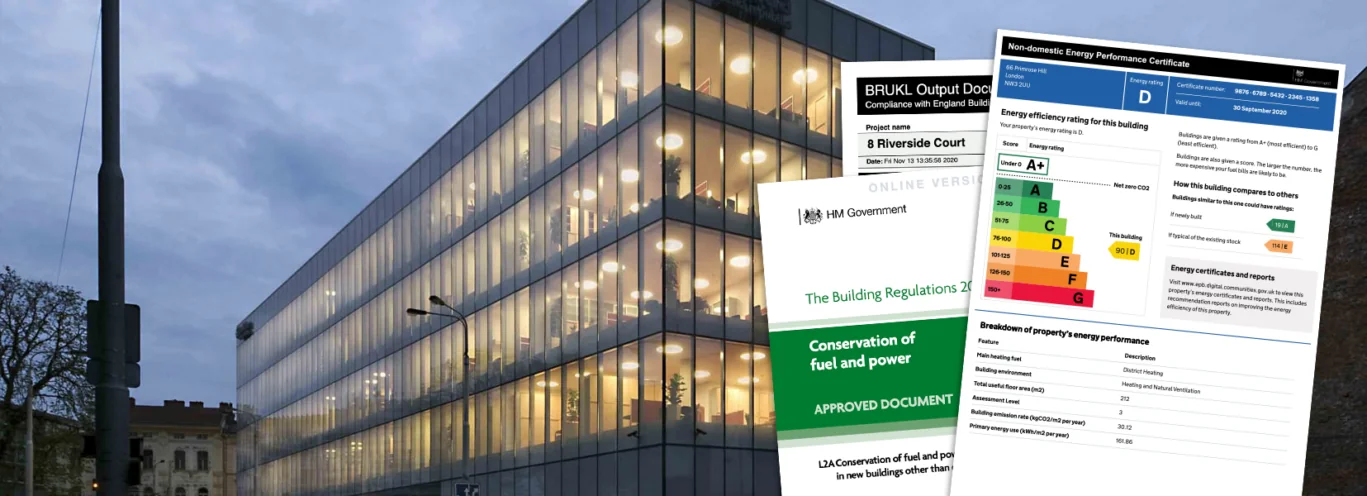

Energy Performance Certificates (EPCs) play a central role in the UK housing market. They inform homeowners, landlords, policymakers and retrofit programmes about a property’s energy performance. But how accurately do EPCs reflect the way homes actually use energy?
The EPC Accuracy Report was commissioned to answer that question. By comparing EPC predictions with real-world energy data, the study provides valuable insights for Domestic Energy Assessors (DEAs) and highlights opportunities to improve EPC Accuracy in the future.
What is the EPC Accuracy Report?
The EPC Accuracy Report investigates the gap between modelled energy demand within EPC calculations and the energy that households actually use.
The research examined both gas-heated and electrically heated homes, comparing EPC predictions against monitored energy consumption, internal temperature data and detailed forensic property assessments. The aim was not to determine whether EPCs are “right” or “wrong”, but to understand why differences occur and how EPC Accuracy can be improved.
For Domestic Energy Assessors, the report provides important evidence about how EPC assumptions perform in practice and where future developments to the EPC Action Plan and the Home Energy Model (HEM) may focus.
How Was the Report Produced?
The study used data from more than 1,100 homes* , drawing on smart meter information, monitored internal temperatures and detailed property investigations.
Researchers compared EPC model outputs with actual energy consumption and then tested how the gap changed when models were updated to reflect factors such as:
- Actual weather conditions
- Changes made to properties after the EPC was produced
- Occupancy patterns
- Updated modelling assumptions
The project also included forensic investigations where expert assessors revisited properties to identify factors contributing to differences between EPC predictions and real-world performance.
Why Does EPC Accuracy Matter?
EPCs were originally designed as a standardised method for comparing homes rather than predicting exact energy bills. However, EPC ratings increasingly influence policy decisions, funding eligibility, minimum standards and consumer choices.
Improving EPC accuracy benefits everyone involved in the housing sector. For Domestic Energy Assessors, more accurate modelling helps ensure assessments better reflect real building performance. It also strengthens confidence in EPCs as a tool for guiding retrofit decisions and measuring progress towards net zero targets.
For homeowners and landlords, accurate EPCs provide greater confidence when planning energy efficiency improvements and budgeting for future works. If decisions are based on inaccurate assessment data, there is a risk that recommended measures may not deliver the expected benefits, potentially leading to unnecessary costs, missed energy savings and continued issues with comfort and thermal performance.
Understanding where modelled and measured performance differ is therefore essential for the continued evolution of EPC methodology.

Key Findings for Gas-Heated Homes
The report found that gas-heated homes typically use less energy than EPC models predict.
Across the sample, actual energy use was around 16% lower than modelled energy demand. When researchers adjusted models to account for updated property information, actual weather conditions and post-EPC improvements, the gap reduced to 10.9%.
Several factors contributed to this difference.
Upgrades After The Initial EPC
Firstly, many homes had received upgrades after their EPC was issued. Boiler replacements and energy efficiency improvements accounted for a large proportion (>50%) of the reduction in the performance gap.
Overestimating Heating Demand
Secondly, some modelling assumptions appear to overestimate heating demand, particularly in older and less efficient homes. The report suggests that actual thermal performance may be better than models currently assume in some cases.
Other Factors
The research also identified evidence that ventilation rates, solar gains and internal temperature assumptions can affect predicted energy demand. Together, these findings suggest that EPC models may sometimes overstate space-heating requirements, particularly in lower-performing properties.
For DEAs, this highlights the importance of accurate data collection and reinforces the value of keeping EPC information up to date as properties change over time.

Key Findings for Electrically Heated Homes
The performance gap was even larger for electrically heated homes. On average, these homes used around 31% less energy than EPC models predicted. The gap widened during winter months, reaching almost 47% in December. The report suggests several reasons for this difference.
Complex Systems
Electrically heated homes are often more complex to model because heating performance depends heavily on system type, controls, responsiveness and tariff assumptions. Storage heaters, for example, introduce additional modelling challenges that do not exist in many gas-heated properties.
Heating And Zones
Researchers also found evidence that electrically heated homes may operate differently from SAP assumptions. Measured temperatures were generally slightly lower than modelled temperatures, suggesting some households may heat their homes less than expected. The study also found indications that occupants may heat different areas of the home unevenly, creating a more “zoned” heating pattern than the model assumes.
Cost of Electricity
Another important consideration is that EPC ratings are cost-based.
Electrically heated homes often use much less energy than gas-heated homes. In the SERL Observatory sample, they used around 40% of the total energy of gas-heated homes, partly because they were typically smaller. Even after adjusting for floor area, their energy use intensity was around half that of gas-heated homes, likely because many were flats with lower heat loss and slightly cooler average temperatures. However, because EPC ratings are based on fuel cost, and electricity is much more expensive than gas, electrically heated homes can still receive lower EPC ratings despite using less energy overall.
So, Although electrically heated homes often use less energy overall, electricity costs significantly more than gas, which can result in lower EPC ratings despite comparatively low energy consumption.
For Domestic Energy Assessors, these findings demonstrate the importance of accurately identifying heating systems, controls and tariffs.
What Does This Mean for Improving EPC Accuracy?
The report does not suggest that EPCs should be abandoned. Instead, it provides guidance to influence a roadmap for improving EPC Accuracy.
Future development is likely to focus on refining assumptions around heating demand, ventilation, solar gains, internal temperatures and occupancy behaviour. The research also highlights the value of using smart meter data and real-world performance monitoring to validate future energy models. It also suggests that a significant way to improve the accuracy of EPCs would be to have them updated automatically when significant changes to the building were undertaken.
For Domestic Energy Assessors, the findings reinforce the importance of high-quality data collection while supporting ongoing improvements to RdSAP, SAP and the future Home Energy Model.
As EPC methodology continues to evolve, improving EPC Accuracy will help ensure that assessments remain a trusted tool for consumers, industry professionals and policymakers alike.
* While the gas-heated analysis was based on over 1,100 homes, the electrically heated analysis used much smaller samples, thus analysis of the energy signature parameters should be taken as indicative since the sample
sizes are small.