



The Home Energy Model (HEM) is set to replace SAP as the government’s methodology for assessing the energy performance of homes. At the heart of the Home Energy Model is the Core Calculation Engine – the part of the software that works out how much energy a home needs for heating, cooling, hot water, and electricity use.
Understanding how this engine works can help energy assessors, retrofit professionals, landlords, and housing practitioners make better sense of the results produced by the Home Energy Model.
What Is the Core Calculation Engine?
The Home Energy Model is divided into two main parts:
- The Core Calculation Engine, which performs the energy calculations.
- Wrappers, which prepare inputs and process outputs for different policy uses.
The core engine focuses on modelling heat transfer within a home, heating and cooling demand, hot water demand, and the energy required to meet those demands.
A Flexible and Modular Design
One of the key design principles behind the Home Energy Model is flexibility.
Rather than being built around fixed assumptions, the engine uses a modular structure. Different technologies and building components are represented as separate objects that can interact with one another. This allows technologies to be combined in different ways and enables new technologies to be incorporated in the future without redesigning the entire calculation engine.
For example, the same boiler component can be connected directly to a hot water demand to represent a combi boiler system, or connected to a hot water cylinder to represent a regular heating system.
This modular approach makes the Home Energy Model more adaptable than previous methodologies.

How the Calculation Process Works
Once all the building data has been entered, the Home Energy Model creates the required objects and establishes the connections between them to represent the dwelling and its systems. The calculation then runs through a series of repeating time steps.
During each calculation time step, the calculation engine works through five main calculation stages, with information passing between different components throughout the process.
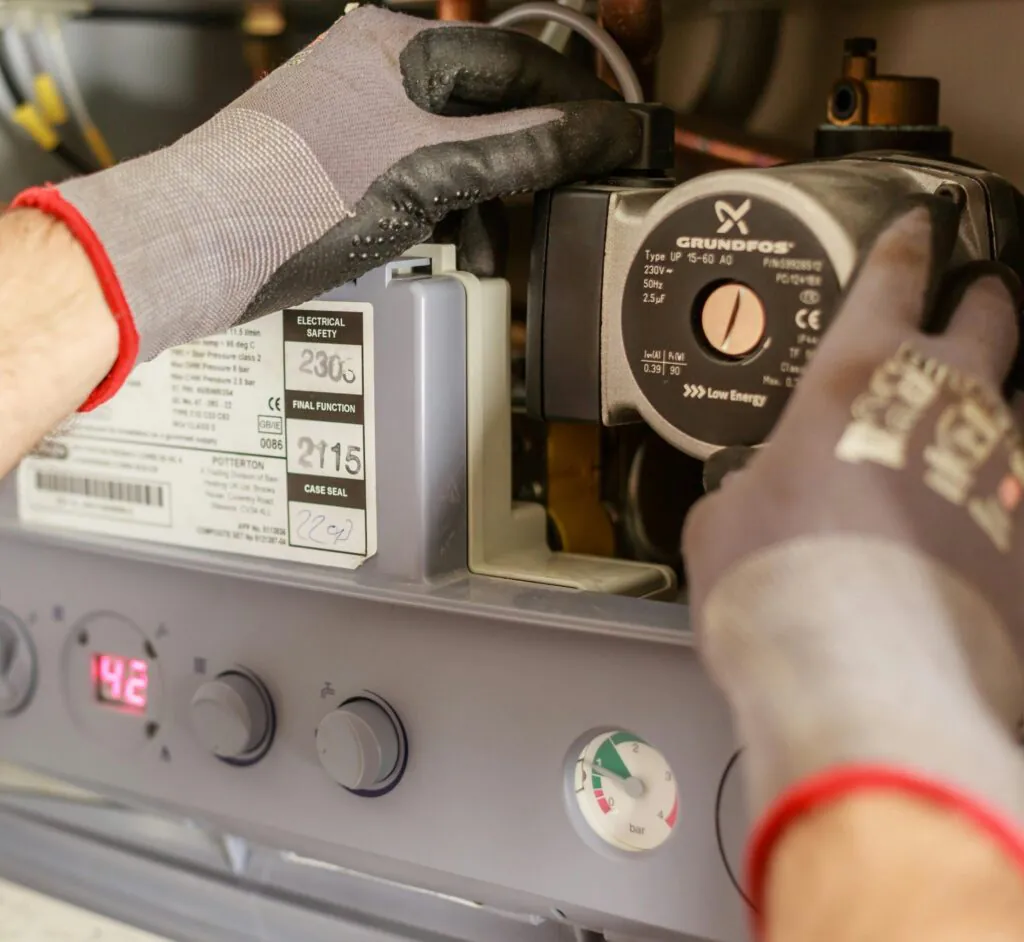
1. Hot Water Calculations
The Home Energy Model first calculates:
- How much hot water is needed.
- How much energy is required to provide that hot water.
- The fuel or electricity consumed by the water heating system.
This also includes any distribution losses and associated heat gains.
2. Electricity Generation
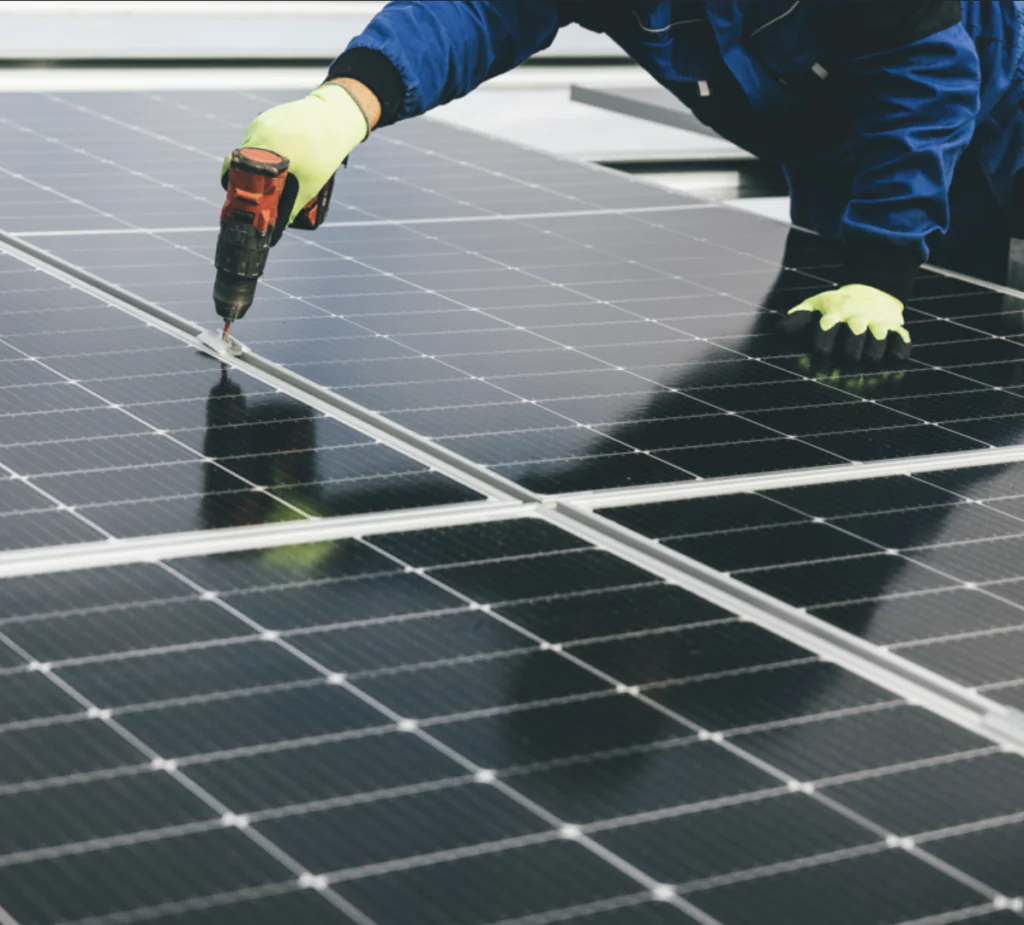
The engine then calculates electricity generated by technologies such as Solar PV and any heat gains associated with that generation.

3. Space Heating and Cooling Calculations
This is the most detailed part of the process.
The Home Energy Model calculates:
- Ventilation requirements.
- Internal heat gains from occupants, appliances, hot water systems, and electricity generation.
- Solar gains.
- Heating and cooling demand for each zone within the dwelling.
The model considers multiple heating and cooling systems, prioritises them based on their control settings, and calculates how much energy each system supplies. It also determines fuel consumption and tracks how temperatures change over time.
Some components maintain internal state which is carried into the next time step, such as hot water cylinder temperatures, emitter temperatures, or heat pump operating time. This allows it to account for effects such as radiators remaining warm after the heating system has switched off.
4. Multi-Service Systems
Some technologies provide more than one service.
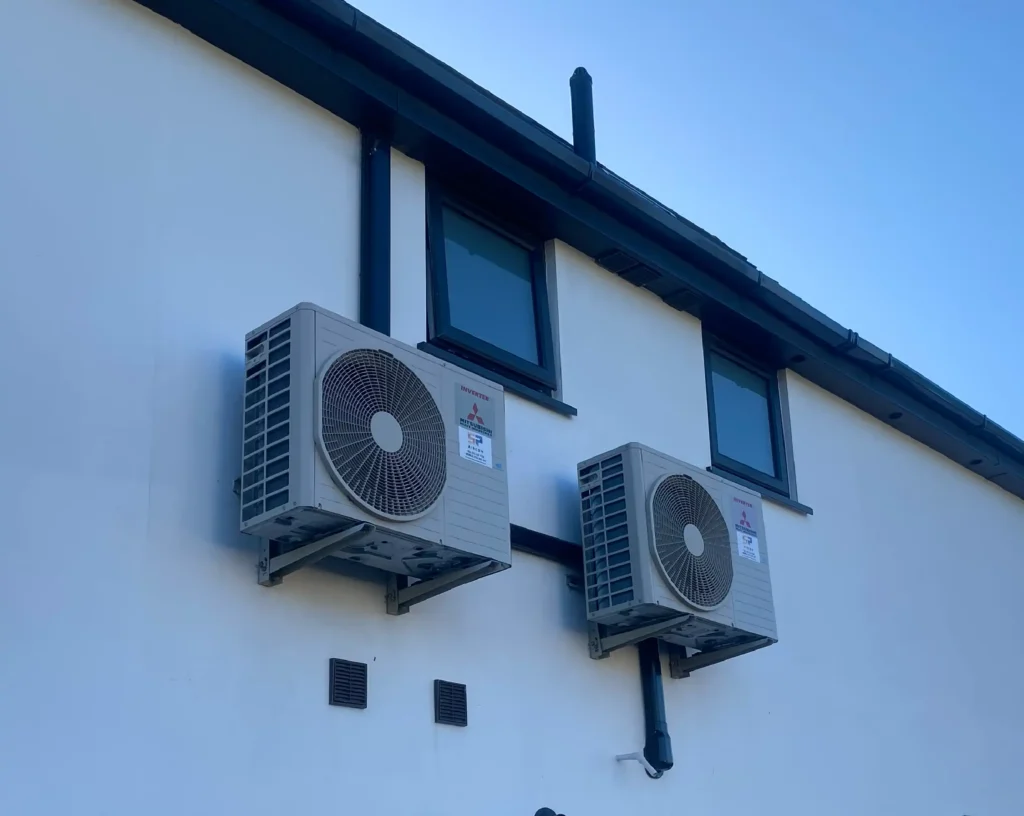
A heat pump, for example, may provide both space heating and hot water. The Home Energy Model tracks how much time the heat pump spends providing each service and ensures the system does not exceed its maximum capacity.
This allows the calculation to reflect real-world limitations and operating behaviour more accurately.
5. Electricity Storage and Grid Interaction
Finally, the Home Energy Model calculates:
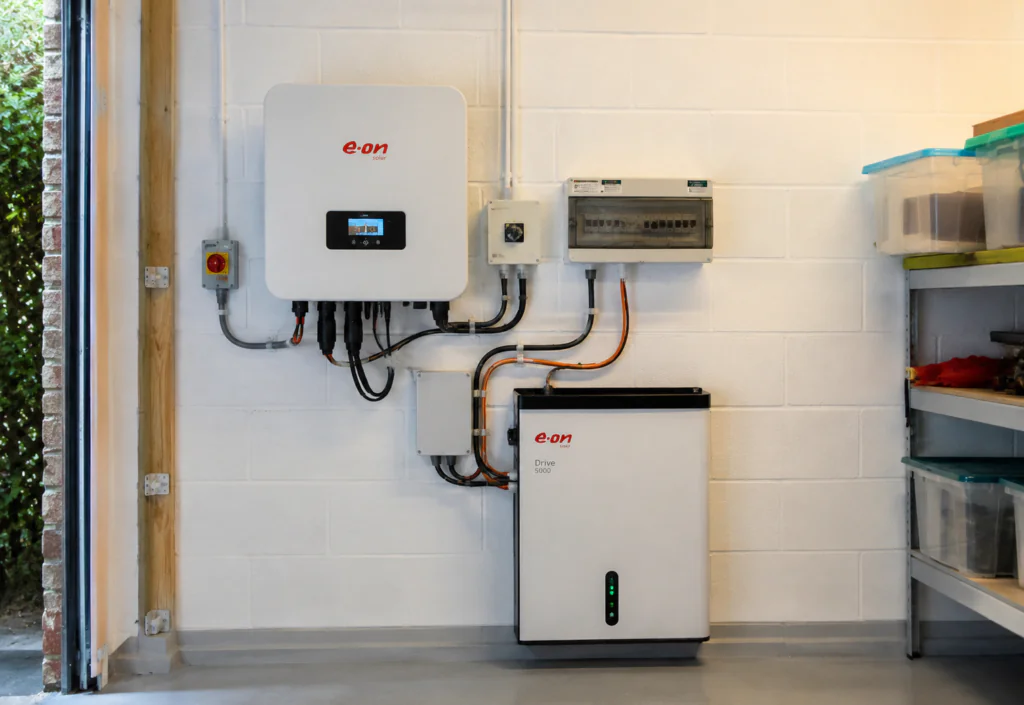
- Electricity used directly within the home.
- Electricity stored for later use.
- Electricity imported from the grid.
- Electricity exported to the grid.
Why This Matters
The Home Energy Model has been designed to provide a more flexible and future-proof way of assessing home energy performance. Its modular structure allows different technologies to interact realistically while making it easier to introduce new technologies as the housing sector evolves.
For energy assessors and retrofit professionals, understanding the Core Calculation Engine helps explain how the Home Energy Model moves beyond annual calculations and instead simulates how different building systems interact throughout the year.
As the Home Energy Model becomes the new standard for assessing homes, understanding the Core Calculation Engine will be helpful for anyone involved in housing, energy efficiency, and retrofit projects.