




The UK Government has published a partial response to its consultation on reforming the Energy Performance of Buildings regime – a major policy effort to improve how buildings’ energy performance is measured, disclosed and used to support decarbonisation.
The government’s consultation on EPC reform sought views on how the Energy Performance of Buildings regime should evolve to better support decarbonisation, improve data quality and provide more meaningful information to users.
This partial response focuses specifically on two areas:
- What EPCs will measure, and
- When EPCs will be required
Other aspects of the regime, including data, quality assurance, Display Energy Certificates (DECs) and Air Conditioning Inspection Reports (ACIRs), will be addressed in a later, full response.
Why EPC Reform Matters
Energy Performance Certificates (EPCs) are the backbone of energy efficiency across both the domestic and non-domestic built environment in the UK. They underpin how energy performance is measured, disclosed and regulated – influencing decisions made by homeowners, landlords, tenants, lenders and policymakers alike. As a result, EPC reform is an extremely significant topic, with far-reaching implications across the property and energy sectors at every level.
Admittedly, at this stage, we don’t yet have the full picture. The Government has only published a partial response to its consultation on reforms to the Energy Performance of Buildings (EPB) regime. However, this response does provide welcome clarity on some of the key cornerstones that will shape the future direction of EPC reform.
Below, we explore what this partial response is, what decisions have been confirmed so far, and what we can expect from EPCs in the coming years.
Key Outcomes for EPC Reform
1. New Metrics for Domestic EPCs
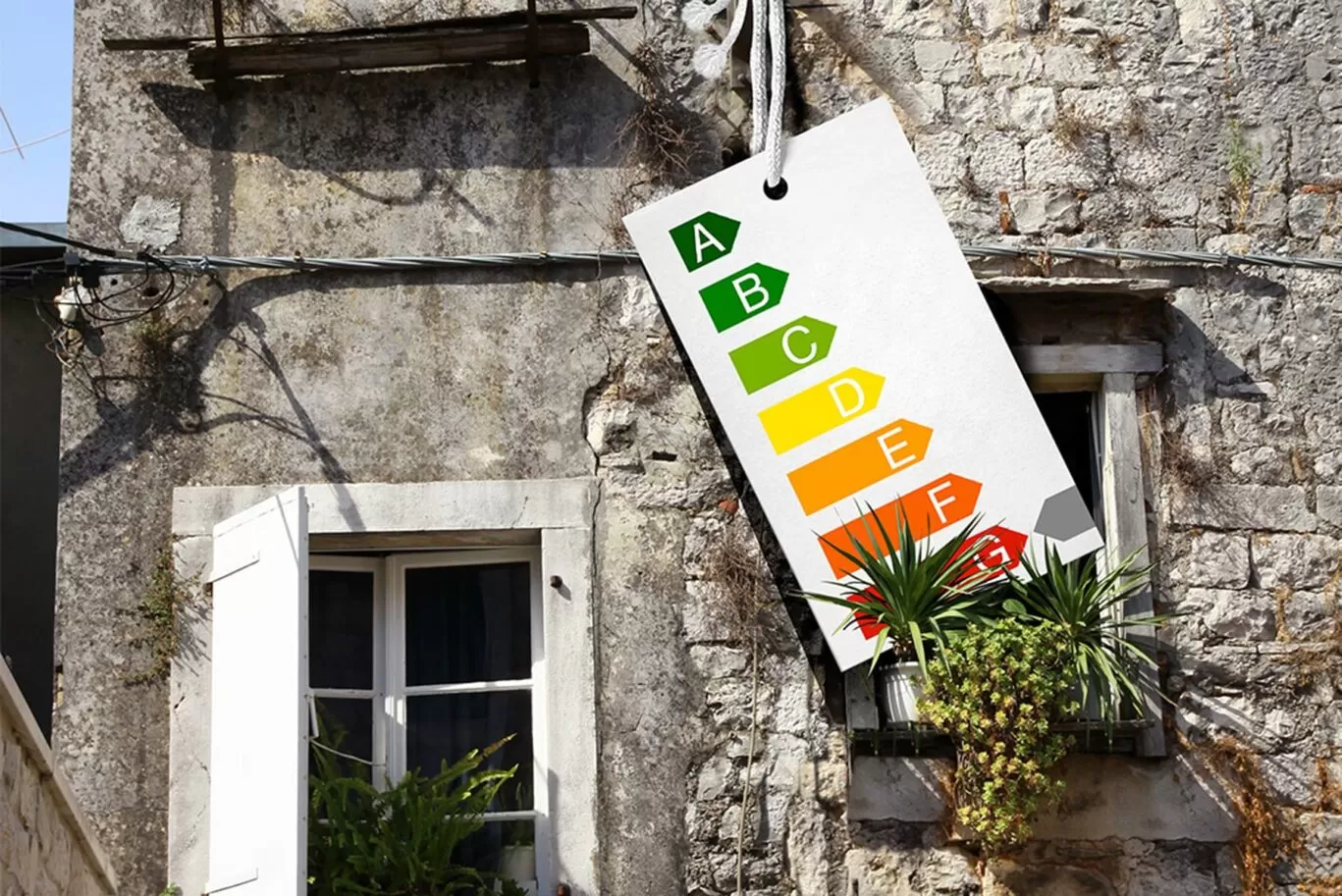
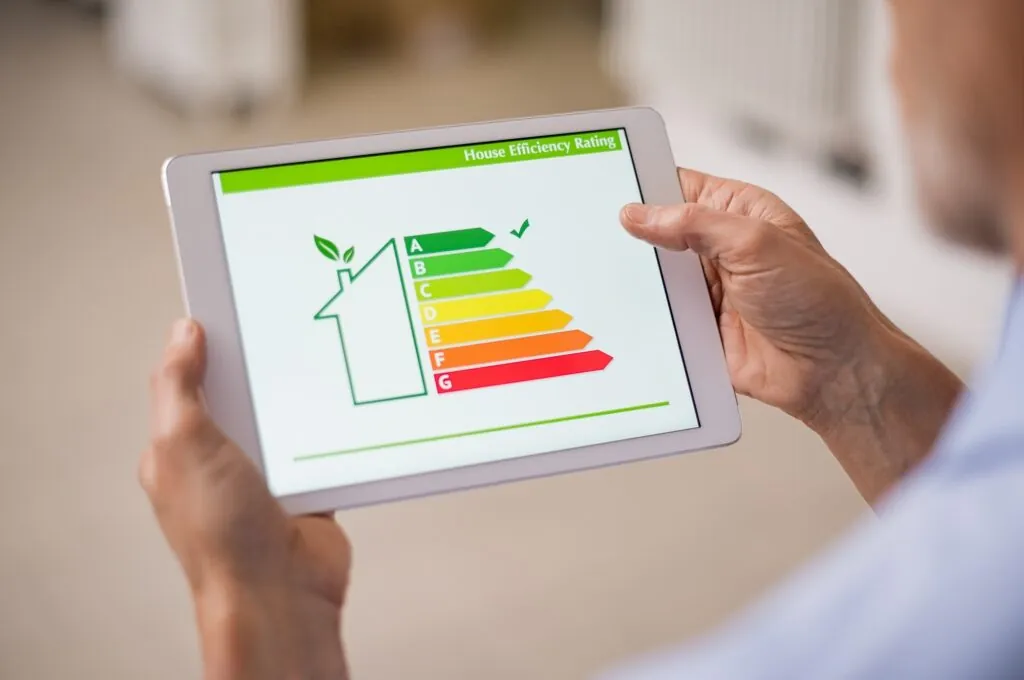
One of the most significant changes confirmed by the government is the move away from the single-metric EPCs we are all familiar with. Domestic EPCs will move away from relying solely on a single A–G headline metric and instead present multiple headline metrics.
Under EPC Reform, domestic EPCs will feature four headline metrics:
- Energy Cost – an estimate of the running cost of a property
- Fabric Performance – an assessment of the thermal performance of the building envelope, such as walls, windows and roofs
- Heating System – the energy efficiency of the installed heating system
- Smart Readiness – the ability of the home to adopt smart technologies to improve energy use
This approach is intended to provide a far more accurate and nuanced picture of a building’s energy performance, rather than relying on a single overarching score.
Why this matters
The introduction of multiple metrics is not just about better information for consumers, it also enables more targeted government policy. By separating out factors such as running costs, fabric efficiency and heating systems, EPC reform will allow future regulations and support schemes to better address challenges like fuel poverty and the transition to net zero – something the current single-metric model cannot do effectively.
There are clear benefits for retrofit as well. A wider range of metrics enables a more comprehensive assessment of a building’s performance, giving owners and occupiers clearer insight into where improvements can be made and a broader range of retrofit options to consider.
In addition to the four headline metrics, domestic EPCs will also include supplementary information on:
- Energy demand
- Carbon emissions
To support the transition to the new EPC format, domestic EPCs will also retain the legacy Energy Efficiency Rating (EER). This will allow comparison with existing EPCs and support compliance with current regulations until the legacy metric is no longer required.
What about Non-Domestic EPCs?
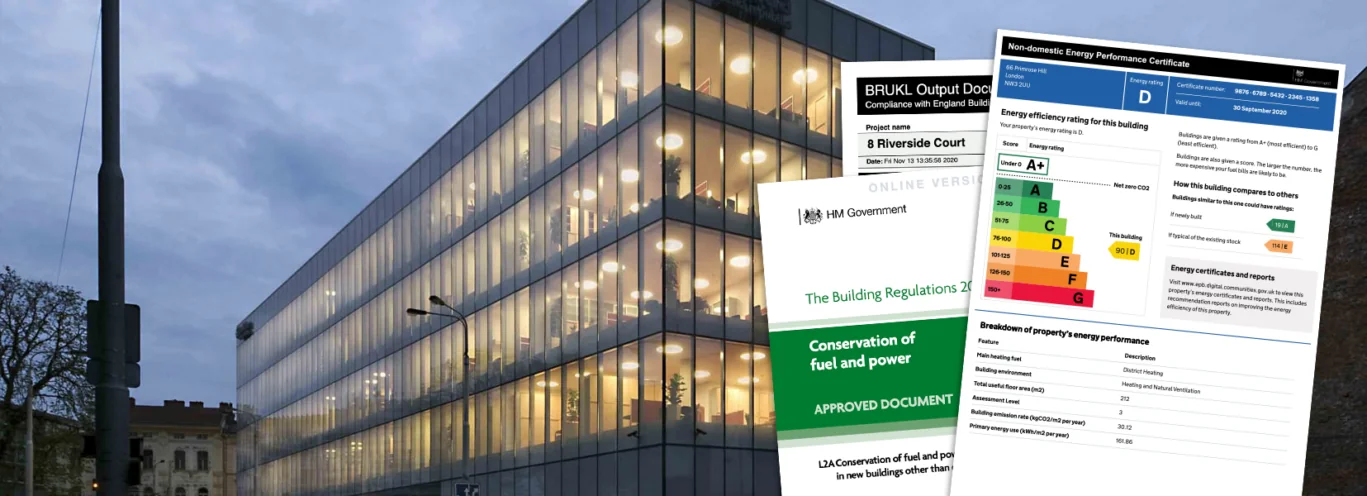
EPC Reform takes a different approach for non-domestic buildings. In contrast to domestic EPCs, non-domestic EPCs will retain a single carbon-based headline metric.
This reflects the different policy drivers and reporting needs within the non-domestic sector, particularly around emissions reporting and corporate carbon management.

2. Improving the Availability of Information for Buyers and Renters
A key theme running through the government’s partial response is a renewed focus on transparency for buyers and renters.
At present, energy performance information is often made available late in the transaction process. In many cases, buyers or renters may not see a valid EPC until an offer has been made or a tenancy is close to being agreed. This limits the ability to meaningfully factor energy efficiency, running costs or retrofit potential into decisions about which property to buy or rent.
Under EPC reform, the government proposes that a valid EPC must be available at the point a property is marketed for sale or rent. This change is intended to ensure that energy performance information is visible from the outset, allowing buyers and renters to compare properties on a more informed basis and consider energy efficiency alongside price, location and size.
3. Potential New Trigger Points for EPCs
Alongside this increased transparency, the government is also exploring whether EPC requirements should be triggered more consistently over time.
Historically, privately rented homes have typically only required a new EPC when a tenancy changes. However, the government is now considering whether a new EPC should be required when an existing certificate expires, regardless of whether there has been a change in tenancy.
No final decision has yet been confirmed on this proposal, but it signals a possible shift towards ensuring EPC information remains current and relevant, rather than tied solely to transactions.
4. 10-Year Validity Period Retained
Despite strong views within parts of the industry, the government has confirmed that the current ten-year EPC validity period will remain unchanged.
Many energy professionals had argued that a shorter validity period could improve accuracy and ensure EPCs better reflect changes made to buildings over time. However, concerns around cost, administrative burden and proportionality appear to have influenced the decision to retain the existing ten-year standard.
As a result, EPC reform will focus on improving the quality and usefulness of EPCs, rather than increasing how frequently they must be renewed.
5. Refinements to EPC Requirements for Specific Building Types
As part of EPC reform, the government also intends to clarify and refine the scope of the EPC regime for certain building types, addressing areas that have historically caused confusion or inconsistency.
The government has confirmed its intention to:
- Require a valid EPC for an entire House in Multiple Occupation (HMO) when any single room is rented
- Require a valid EPC for short-term rental properties, regardless of who is responsible for paying energy bills
- Remove exemptions for heritage properties, bringing them within the scope of the EPC regime
These changes are intended to deliver greater consistency across the private rented sector. These changes are intended to help landlords, tenants and others better understand building performance and identify realistic opportunities to improve energy efficiency.

When Can We Expect These Changes?
The government is aiming to deliver EPC reform by October 2026. This timeline aligns with the planned launch of the Home Energy Model (HEM), which will replace SAP as the underlying methodology for domestic EPCs.
Given the scale of the changes proposed, the sector will need sufficient time to adapt. This includes:
- Upskilling and training assessors
- Reviewing and updating conventions
- Developing and testing the updated EPC “wrapper” and presentation format
How this transition will play out in practice remains to be seen and we will continue to watch developments closely.
What’s Still to Come
While the partial response provides valuable insight, there are still unanswered questions. The government has not yet published decisions on several important areas, including:
- The validity period for Display Energy Certificates (DECs)
- EPC and DEC data access and use
- How EPC quality will be managed and enforced
- Changes to Air Conditioning Inspection Reports (ACIRs)
The government has indicated that these issues will be addressed in a full response, which is expected to be published in 2026.
For further information, you can view the partial government response here.