





The government has published its response to the consultation “Improving the energy performance of privately rented homes“, setting out how Minimum Energy Efficiency Standards (MEES) in the Privately Rented Sector will be raised in the coming years.
This update confirms key policy decisions, outlines new compliance requirements for landlords, and explains how the changes will support energy bill savings, carbon reduction and wider government targets.
The Original Consultation
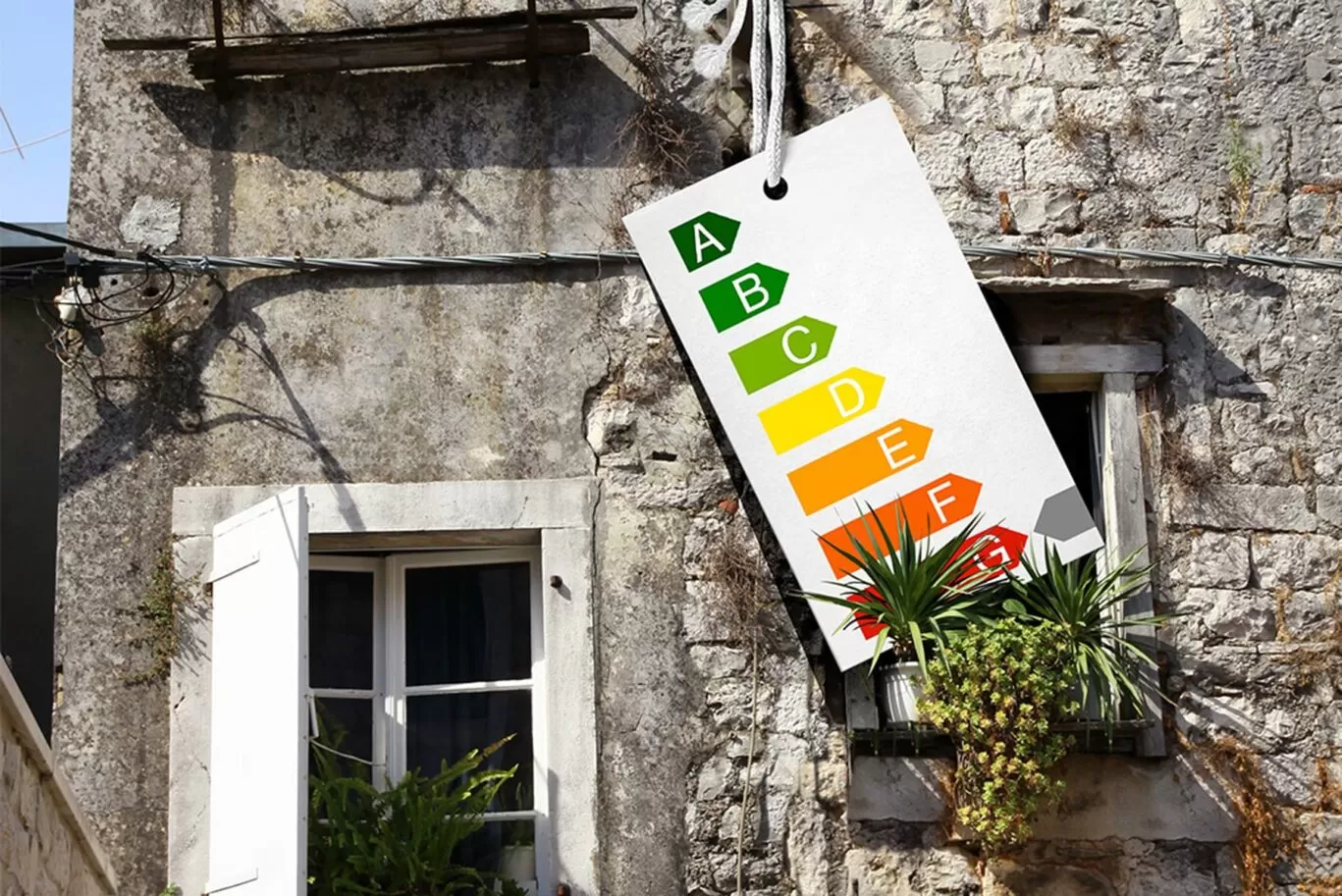
The original consultation was launched on 7 February 2025, following on from an earlier consultation published in 2020. It sought views on raising the Minimum Energy Efficiency Standards for privately rented homes in England and Wales to the equivalent of Energy Performance Certificate (EPC) C by 2030.
The government positioned the reforms around three central outcomes:
- Reducing tenant energy bills and improving thermal comfort
- Lowering emissions from the domestic building stock
- Supporting progress towards Net Zero by 2050 and interim carbon targets
Key Policy Decisions
1. Single Compliance Deadline: 1 October 2030
The government has confirmed a single compliance deadline of 1 October 2030.
All privately rented homes within scope of the regulations must meet the future standard by this date. Importantly, there will be no earlier compliance date for new tenancies, with the government opting for a universal requirement across the sector.
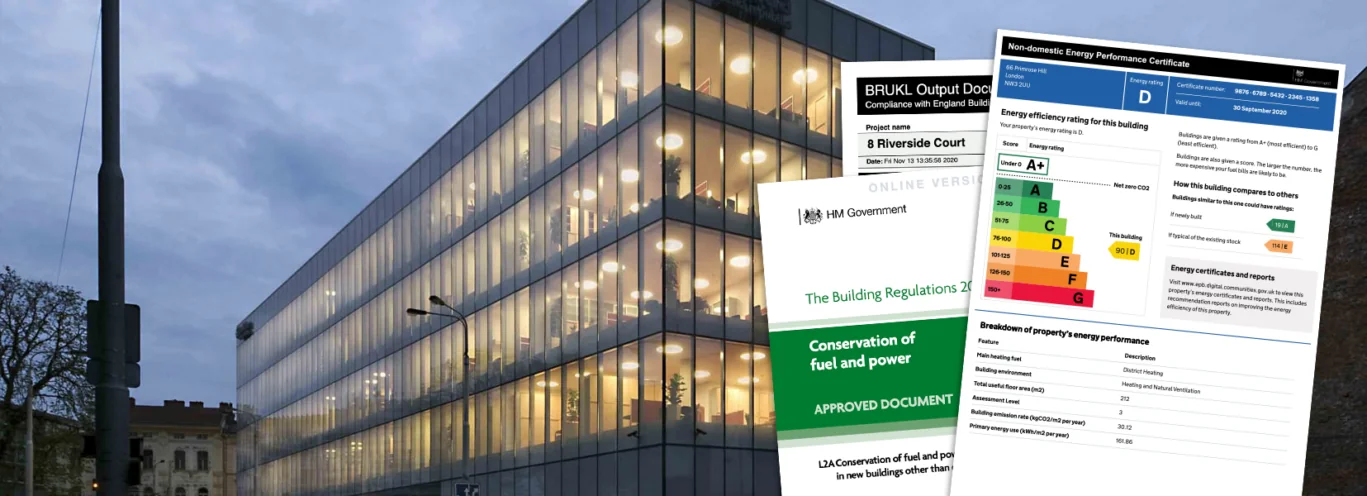
Landlords with properties that have not reached EER Band C or above on an EPC by 1 October 2029 will be required to take steps to upgrade their homes. Before undertaking any improvement works, landlords must commission a new EPC under the reformed metrics framework to ensure that retrofit measures are informed by the most current assessment methodology and recommendations.
Once the required works have been completed, landlords must commission a post-retrofit EPC before 1 October 2030 to demonstrate compliance. Reasonable EPC assessment costs, as defined by government, can be counted towards the cost cap.

2. Dual Metric Standard
The government has confirmed that future MEES requirements will be based on a dual-metric standard, reflecting the planned introduction of new EPC metrics.
Under this approach, landlords will first be required to invest in measures that achieve a primary fabric performance standard, prioritising improvements that reduce heat loss and improve the energy efficiency of the building itself. Once this is achieved, or a valid exemption is registered, landlords must then meet a secondary compliance standard. For this secondary standard, landlords will have discretion to choose between:
- A heating system standard, OR
- A smart readiness metric
This structure is intended to encourage a fabric-first approach, while allowing flexibility in how landlords meet the additional secondary requirement.
3. Raising The Cost-Cap
The government has confirmed that the landlord cost cap will rise to £10,000 per property, with exemptions valid for 10 years.
Landlords will be expected to invest up to £10,000 to bring a property up to the new standard. Third-party funding, including government grants, may be counted towards the cap, with the exception of funding received through the Boiler Upgrade Scheme (BUS).
Where a property remains below the required standard after the full £10,000 has been invested, landlords may register a cost cap exemption and continue to let the property.
The government’s impact assessment estimates that the average spend per property will be approximately £5,400. Once regulations apply, landlords will also be able to count eligible energy efficiency measures installed from 1 October 2025 towards the cost cap.
In addition, a new Property Value Adjustment exemption will apply to properties valued below £100,000, reducing the maximum spend requirement to 10% of the property’s value.

4. Allowances For Existing EPC C Rated Properties
Properties that already hold an EPC rating of C or above will be recognised as compliant under the future standard until that EPC expires.
This applies to privately rented homes that achieve EER C or higher on an EPC issued before 1 October 2029, ensuring early adopters are not required to reassess unnecessarily.
5. Increasing Exemptions
The government will increase and amend exemptions available within the Privately Rented Sector.
Existing exemptions will continue where measures cannot be installed. Once a valid exemption is registered on the PRS MEES Exemptions Register, the property may continue to be let until the exemption expires.
New and amended exemptions include:
- A negative impacts exemption where measures would harm the building’s fabric or structure
- A solid wall insulation exemption, replacing the existing wall insulation exemption
- A revised cost cap exemption for cases where £10,000 has been spent and no further measures can be installed within the cap
- A simplified new landlord exemption, giving new owners six months to comply or register an exemption
The existing high-cost and third-party consent exemptions will remain unchanged.

6. Excluding Short-Term Lets
At this stage, short-term lets will not be included within PRS MEES regulations at this time.
However, this position is still under review. The government has indicated that it intends to seek legislative powers to bring short-term lets into scope in the future, should this become necessary. Before any decision is made, it has also committed to further engagement with the sector to ensure the impacts are fully understood.
7. Installers
Landlords will not be required to use specific installers under the updated regulations.
That said, the government strongly encourages the use of qualified professionals, including:
- TrustMark-accredited installers
- MCS-certified installers
- Installers working in compliance with PAS2035 standards
This approach is intended to support high-quality retrofit work, improve consumer protection and reduce the risk of poor installations.
8. Enforcement
Local authorities will be able to issue penalties of up to £30,000 per breach per property for non-compliance. Fines may also be issued for registering false or misleading information on the PRS MEES Exemptions Register.
Enforcement authorities will be required to report activity back to the government, and updated guidance on compliance and enforcement will be published on GOV.UK.
Alongside tougher enforcement, the government has recognised the importance of supporting landlords to comply. To help with this, the PRS MEES Exemptions Register is being redeveloped to make it easier to use for both landlords and enforcement bodies. The government will also continue working with landlord and tenant groups to ensure future guidance is clear, accessible and practical.
The Purpose Of The Proposed Changes
The proposed reforms are designed to deliver substantial energy bill savings and meaningful carbon reductions across the domestic Private Rented Sector (PRS). These decisions support the government’s 2030 fuel poverty target, carbon budgets, and the wider Warm Homes Plan, which aims to deliver up to five million home upgrades by 2030.
Impact On Retrofit
These updates will be of particular interest to retrofit assessors, retrofit coordinators and domestic energy assessors working across the retrofit and energy efficiency sectors.
The government’s response signals a clear long-term commitment to raising energy performance standards in PRS properties. By strengthening requirements over time, the policy is expected to:
- reduce levels of fuel poverty
- improve tenant living conditions
- generate sustained demand for high-quality retrofit work across England and Wales
Next Steps
The government intends to move forward by introducing new powers through primary legislation to enable these reforms. A statutory instrument is expected to be laid, with the intention of the updated regulations coming into force in 2027, allowing the necessary changes to be implemented within the Private Rented Sector.
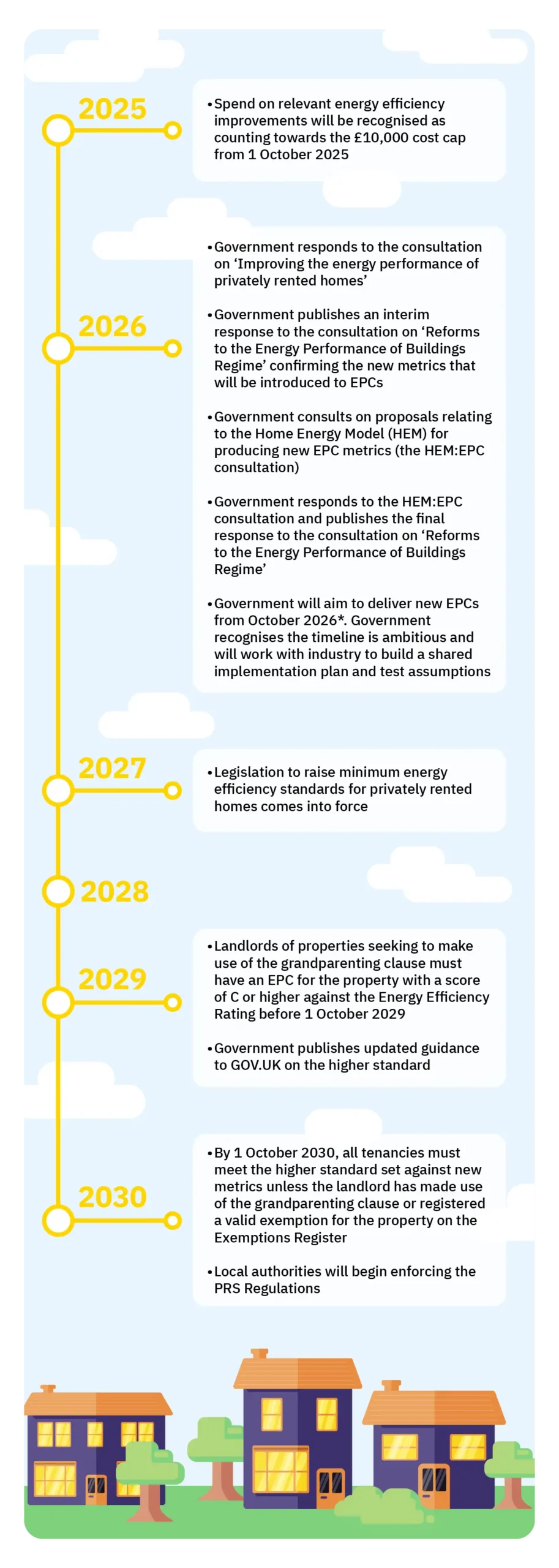
privately rented homes (subject to Parliamentary approval and other factors)
* Appropriate guidance will be provided on GOV.UK to help landlords, tenants, and local authorities understand the requirements.
Read the full government response here.