



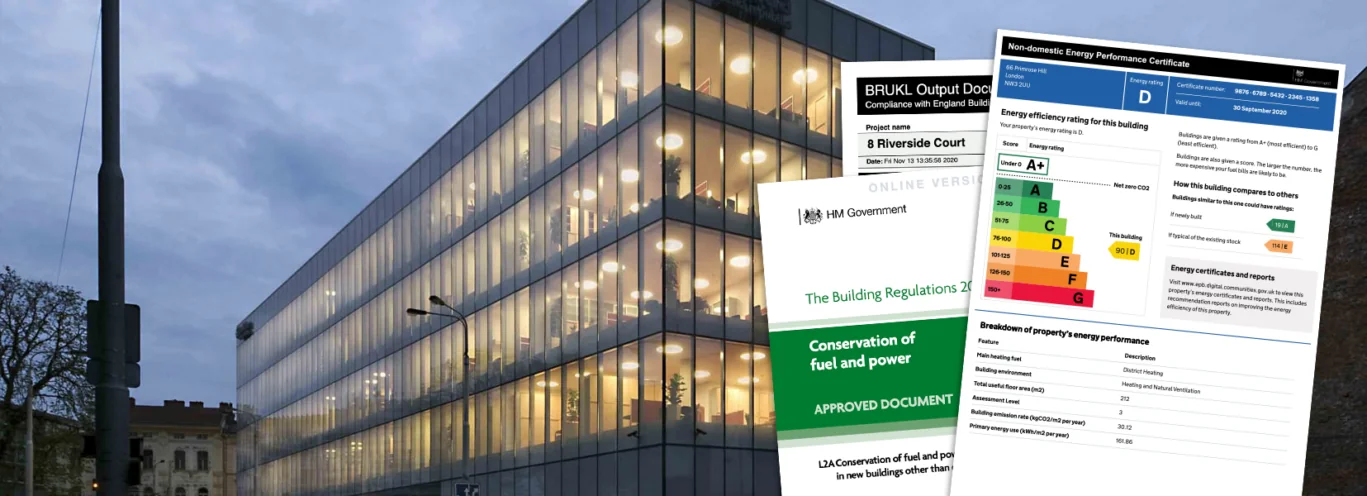

The government has published an interim response to its 2019 and 2021 consultations on strengthening non-domestic MEES (Minimum Energy Efficiency Standards) for private rented buildings in England and Wales.
The update provides greater clarity on the future direction of the policy and introduces a more targeted approach aimed at improving energy efficiency in larger rented commercial buildings while providing additional flexibility for smaller properties.
What Has Been Confirmed?
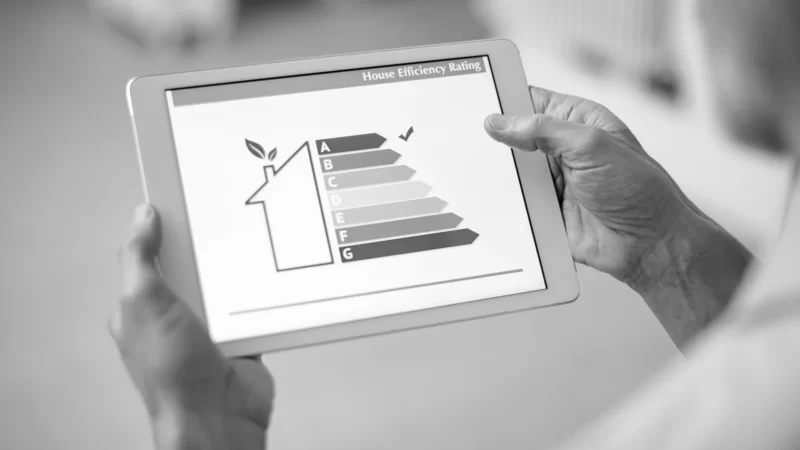
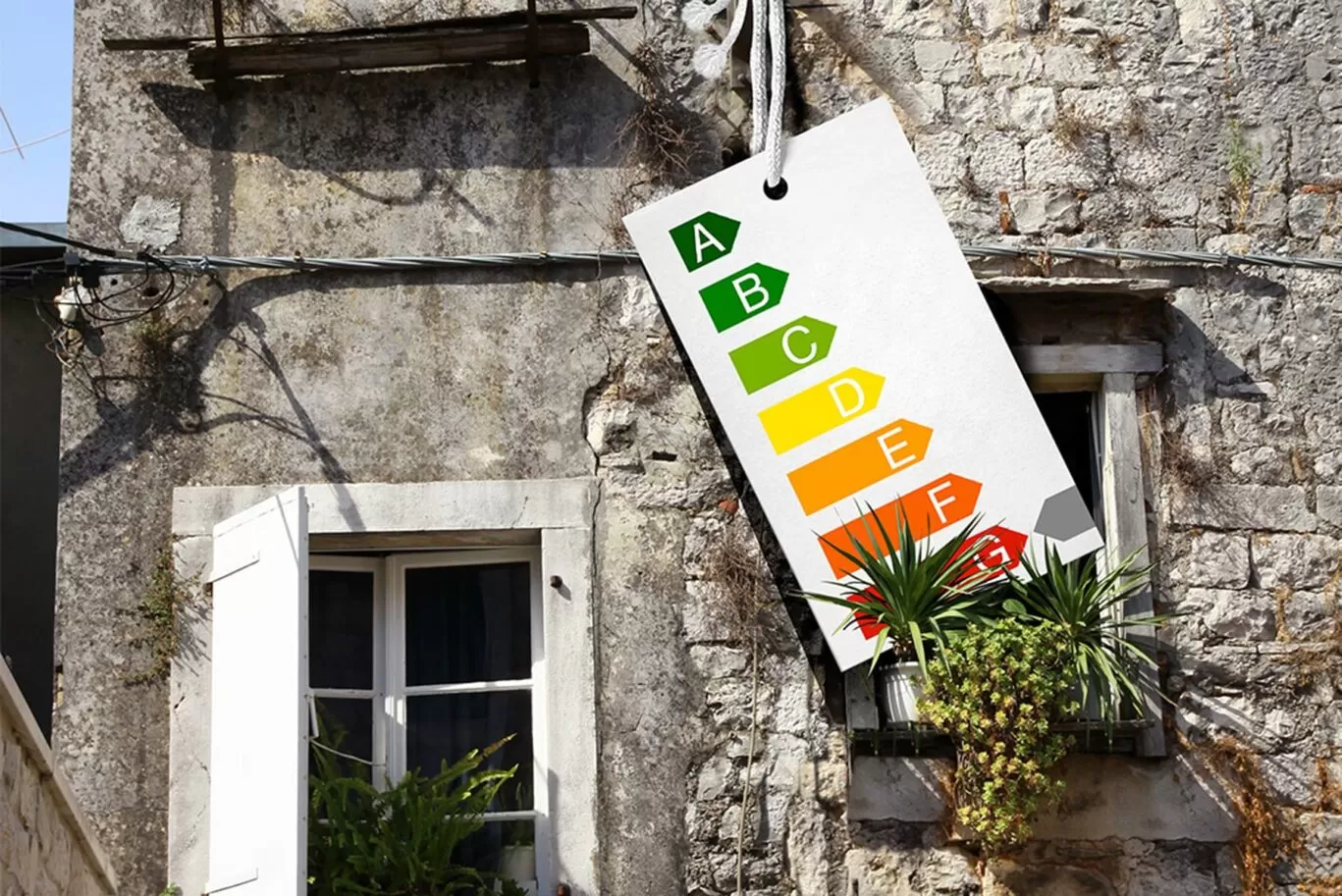
The government has confirmed its intention to introduce a new non-domestic MEES requirement from 2031. Under the proposals, all privately rented non-domestic buildings larger than 1,000 square metres will be expected to achieve an EPC rating of B, where this is cost-effective to do so.
For buildings below 1,000 square metres, the current minimum standard of EPC E will remain in place.
Importantly, the previously proposed interim milestone requiring properties to reach EPC C by 2027 will no longer be taken forward. This gives landlords and tenants more time to plan and implement energy efficiency improvements in a way that aligns with their building requirements and lease arrangements.

Existing Exemptions Will Remain
The government has also confirmed that existing flexibility mechanisms will continue to apply. This includes the seven-year payback test and current exemptions, ensuring that only improvements that are practical, affordable and cost-effective will be required under the regulations.
The proposed changes will only take effect following the successful passage of secondary legislation through Parliament.
What Does This Mean for Landlords and Energy Assessors?
For owners and managers of larger commercial properties, the proposed changes signal the need to start considering long-term strategies for achieving EPC B by 2031.
Meanwhile, landlords of smaller properties will continue to comply with the existing EPC E requirement, with no set deadline currently proposed for improving beyond this level. The government says this approach gives SMEs and high street landlords greater flexibility.
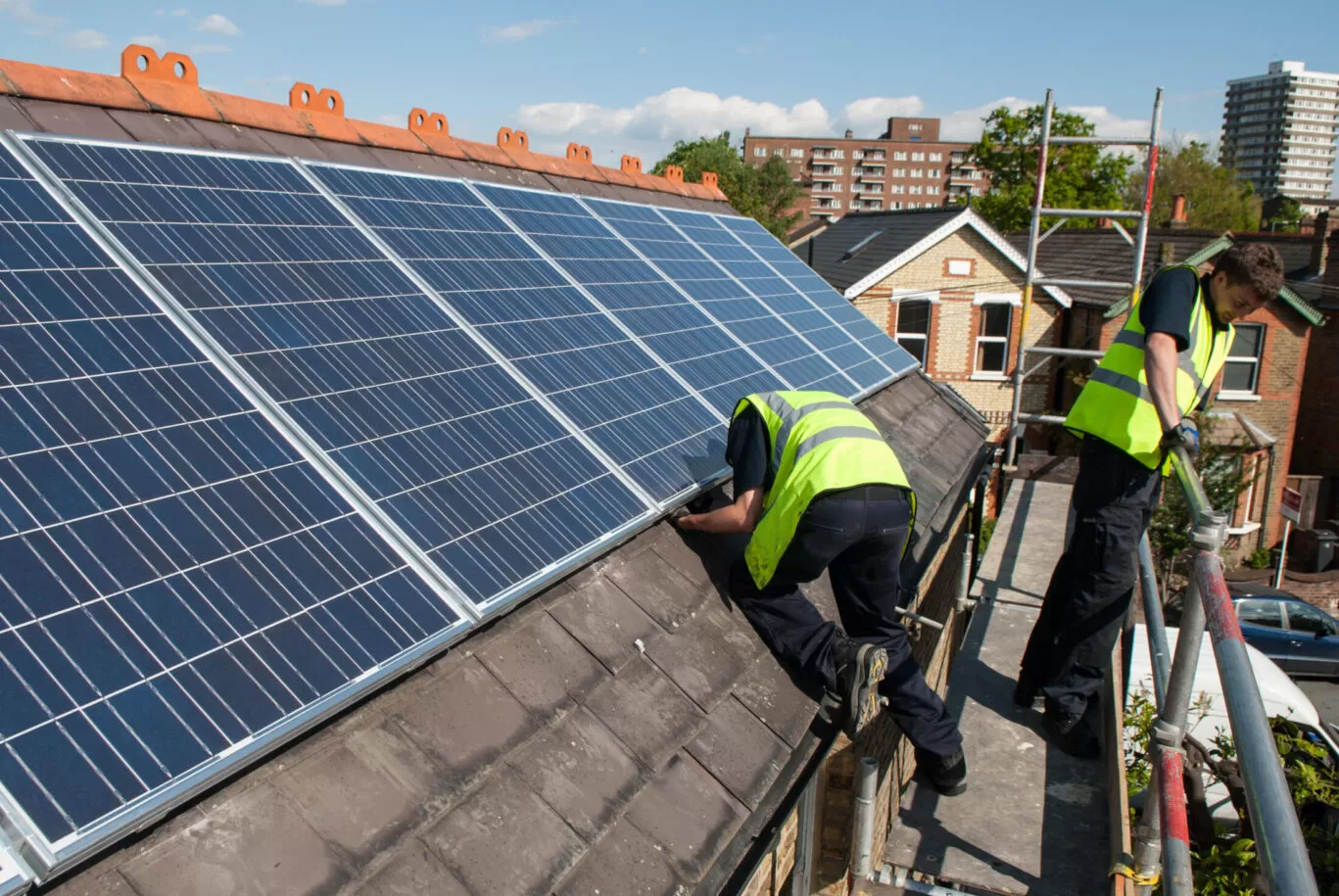
According to the government, this targeted approach is expected to help tenants in the largest rented non-domestic buildings reduce energy consumption and save up to £360 million per year on energy bills by 2031, although this figure is based on modelling and may be refined as the policy develops. It is also intended to reduce energy demand across the non-domestic building stock, strengthen energy security and support carbon reduction goals.
What Happens Next?
Further details on the future of non-domestic MEES will be included in the government’s full response to the public consultations. The government has stated that it intends to introduce legislation and updated guidance at the earliest opportunity while continuing to engage with industry stakeholders.
For landlords, property professionals and non-domestic energy assessors (NDEA), this interim response provides a clearer indication of the direction of travel for non-domestic MEES, particularly for larger rented commercial buildings, while allowing additional time for planning and investment decisions ahead of any future legislative changes.