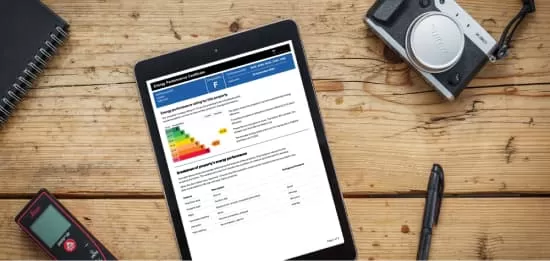

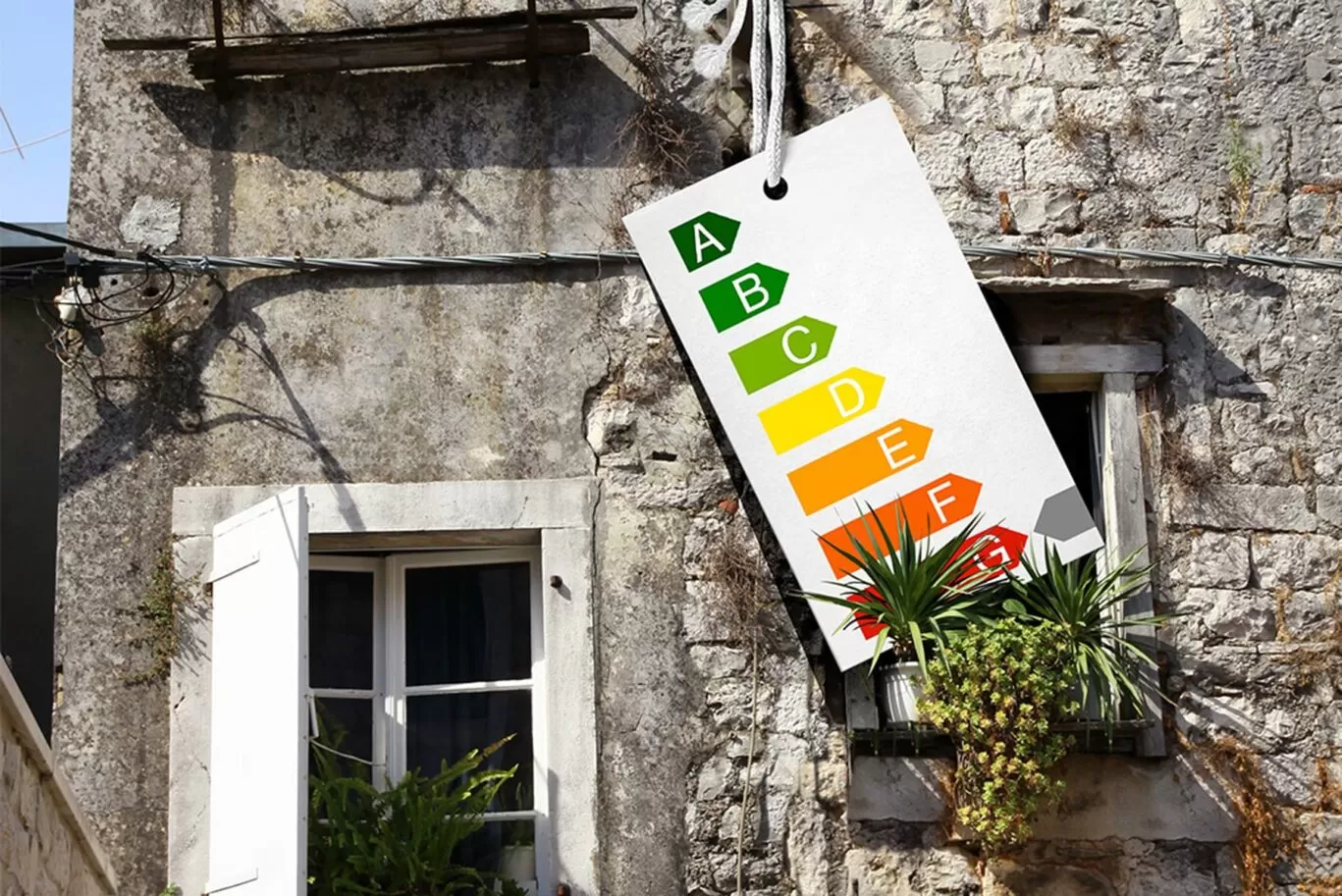



The recently published EPC Accuracy Report provides valuable insight into why Energy Performance Certificates (EPCs) do not always reflect the actual energy performance of homes. Drawing on data from smart meters, forensic property surveys and existing EPC records, the report explores the causes of the gap between modelled and measured energy use.
While some of the issues identified relate to the underlying calculation methodology and modelling assumptions, the report also highlights several practical ways Domestic Energy Assessors (DEAs) can help improve EPC accuracy.
Focus On The Most Influential Inputs
The report found that assessor-related errors can have a significant impact on EPC outcomes, particularly when key property characteristics are recorded incorrectly. The greatest impacts were associated with building dimensions, heating systems and wall insulation classifications.
For assessors, this reinforces the importance of carefully verifying these critical inputs during every survey. Taking additional time to check measurements and construction details can help improve EPC accuracy and reduce the risk of incorrect recommendations being generated.

Gather Supporting Evidence Wherever Possible
RdSAP assessments rely on default assumptions when evidence cannot be obtained during the survey process. The report notes that many of these defaults are intentionally cautious, helping to avoid overstating a property’s performance.
However, where supporting evidence is available, assessors should make use of it. Documentation relating to insulation, windows and heating systems can all help reduce reliance on assumptions and improve EPC accuracy.
The more robust the evidence base, the more representative the final assessment is likely to be.
Make Use Of Existing Property Data
Existing documentation can provide a wealth of additional insight that can boost the accuracy of EPCs. The report recommends that, where available, full SAP calculations should be used to support EPC updates and renewals. This is particularly relevant for newer homes where detailed construction information may already exist.
Using the best available data helps create a more complete picture of the property and can reduce the need to rely on assumptions. As access to property information and administrative datasets continues to improve, assessors are likely to have more opportunities to enhance the quality of EPC assessments.

EPC Accuracy Is About More Than The Assessor
It should be noted that it is not all down to the assessor alone. One of the most important conclusions from the report is that EPC accuracy is influenced by a wide range of factors. Modelling assumptions, historic EPC data, post-assessment improvements and wider calculation methodologies all contribute to differences between modelled and actual performance.
This means that improving EPC accuracy is not solely the responsibility of the assessor. However, DEAs remain central to the process and play an important role in ensuring that assessments are based on the best available evidence and reflect the property as accurately as possible.
Looking Ahead
As the industry moves towards the Home Energy Model (HEM) and future EPC reforms, the findings of the EPC Accuracy Report provide useful lessons for today’s assessors.
By focusing on high-quality data collection, gathering supporting evidence and accurately recording property characteristics, Domestic Energy Assessors can make an important contribution to improving EPC accuracy and maintaining confidence in the EPC system.
Energy Trust’s DEA Training
At Energy Trust, our Domestic Energy Assessor courses place a strong emphasis on best practice, accurate data collection and real-world surveying skills. We want every learner to leave us with the confidence to carry out assessments competently, professionally and accurately.
One of the ways we achieve this is through our experienced trainers. Every DEA trainer at Energy Trust has real-world experience working as a Domestic Energy Assessor, carrying out assessments and understanding the practical challenges that properties can present.
That experience is built into our training, helping learners understand not just the theory behind EPCs, but how to apply it in real assessment scenarios.
Whether you are training to become a DEA or looking to upskill into your next role, explore Energy Trust’s professional retrofit and energy assessment courses.