


SAP Assessor Course: Level 3 Certificate in Domestic On Construction Energy Assessment OCDEA training: four days live online, then a supported portfolio
Build your skills in new-build energy assessment with Energy Trust’s SAP assessor course. Gain the Level 3 Certificate in Domestic On Construction Energy Assessment, with our four-day live online training course followed by a supported portfolio.


What is Domestic On Construction Energy Assessment?
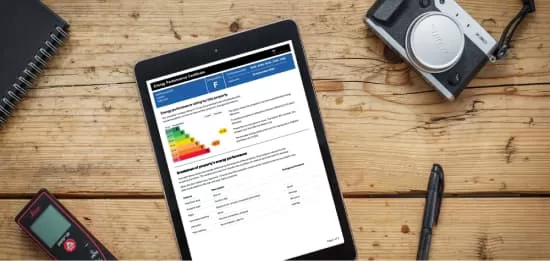
Domestic On Construction Energy Assessment (SAP Assessment) calculates the predicted energy performance of new homes using the Standard Assessment Procedure (SAP). It helps design teams demonstrate compliance with energy efficiency requirements and provides the calculations behind new-build Energy Performance Certificates (EPCs).
An On Construction Domestic Energy Assessor (OCDEA), commonly called a SAP assessor, works with drawings, specifications and construction evidence. Design-stage calculations help identify improvements before a home is built. As-built calculations reflect the completed property.
Who is this SAP assessor course for?
This course is for people starting a career in energy assessment, or existing assessment professionals who want to add new-build assessment to their skills. That could include:
- domestic energy assessors
- architects
- surveyors
- construction professionals, and
- sustainability consultants
Many individuals consider moving into SAP Assessment due to the remote nature of the work. Most of it is desk-based, using plans, specifications and construction evidence supplied by clients, so many SAP assessors work from a place that suits them, such as a home office. This is often a huge benefit for individuals who do not want to be restricted by location.
What are the entry requirements?
You’ll need to be 18 or over to join the course. You don’t need any previous energy assessment experience or qualifications, though a background in construction or energy assessment can be helpful. You’ll also need good written English and numeracy skills, and feel comfortable using computers.
Explore the full prerequisites on the OCDEA course details page.
What will I learn in SAP assessor training?
This course covers how to carry out SAP energy assessments for new-build homes, from the initial design through to completion. Along the way, you’ll develop an understanding of the assessor’s role and how it relates to Building Regulations.
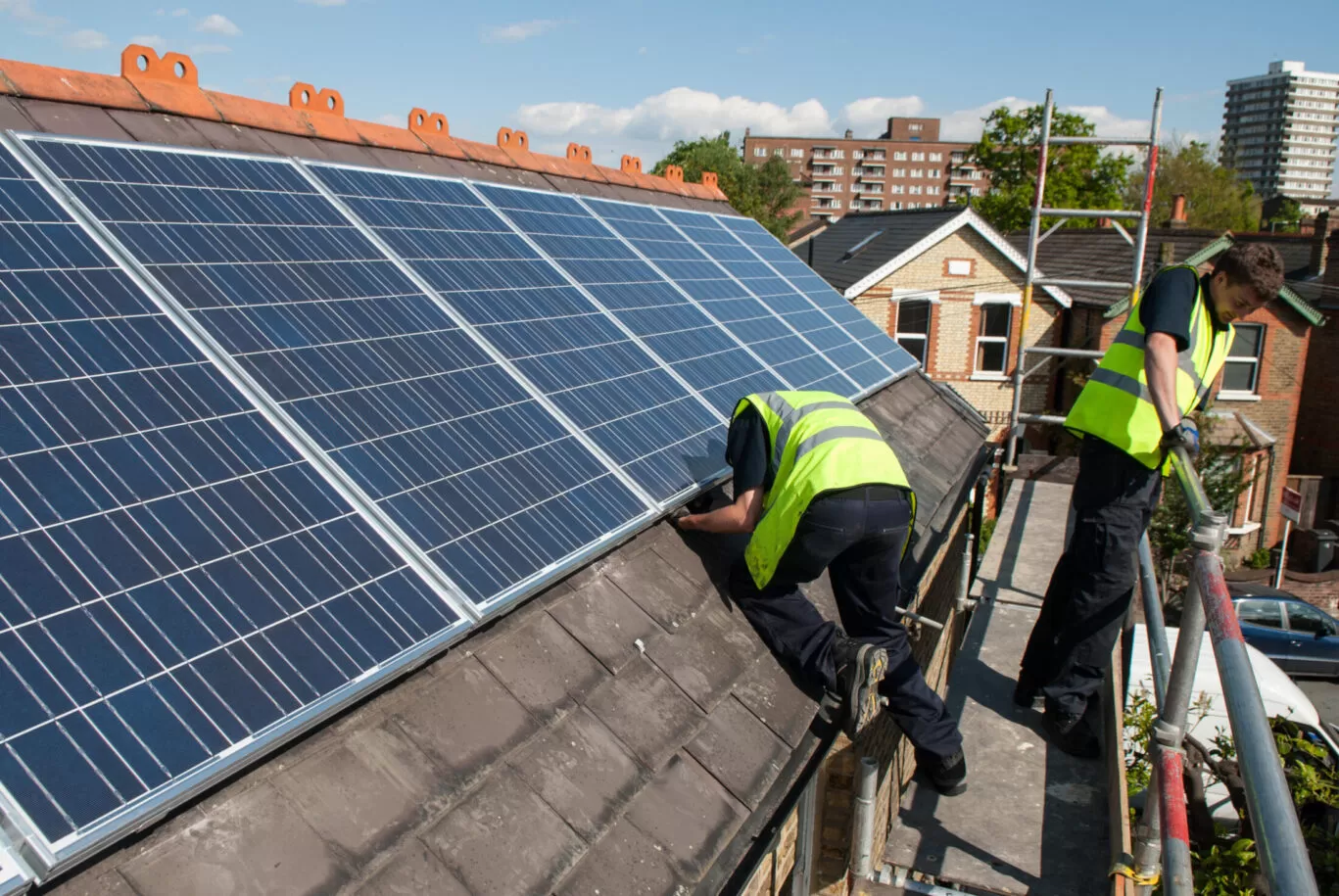
The course covers how a home’s construction affects its energy performance, including where heat is lost and how this can be reduced. You’ll also learn how heating and ventilation systems influence the assessment, and the role renewable technologies can play.
Through practical SAP software training, you’ll learn to turn information from drawings and specifications into a completed assessment. You’ll interpret the results, check whether a proposed home meets regulatory requirements and explore changes that could improve its performance.
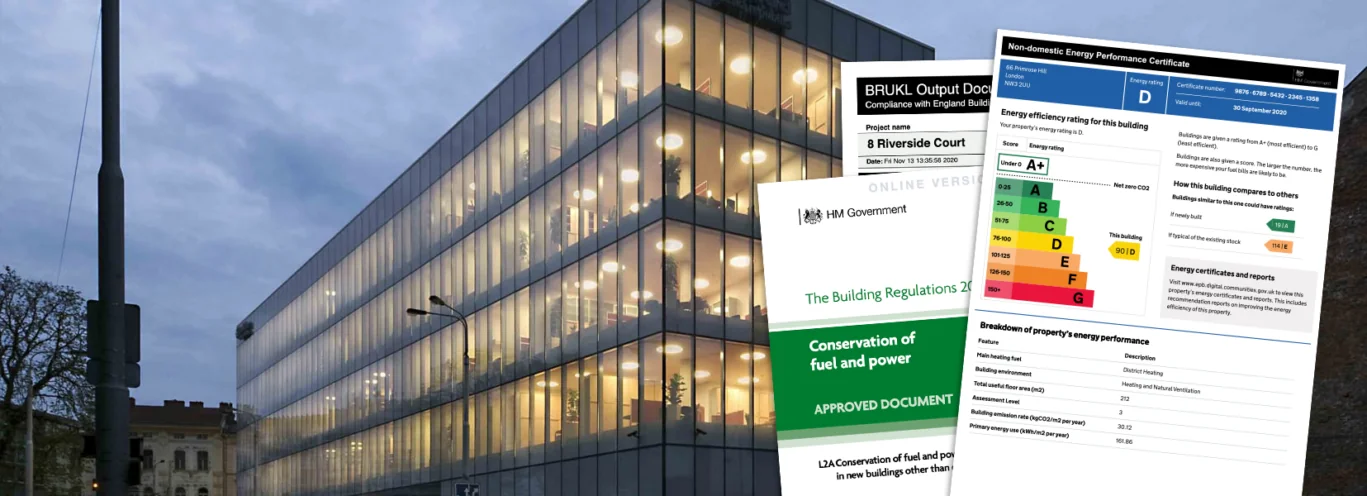
You’ll also learn how to complete as-built assessments and produce Energy Performance Certificates (EPCs), supported by the right evidence and compliance documentation. The course includes guidance on professional record keeping, preparing your qualification portfolio and becoming accredited after you qualify.
Explore the full course schedule on the SAP Assessor course details page.
How does the course work?
The course begins with four consecutive days of live online training via Zoom. You’ll work through practical SAP examples with an experienced tutor, with plenty of opportunities to ask questions and discuss what you’re learning in real time.
We keep classes small so you can benefit from your classmates’ questions and perspectives while still receiving close attention and support from your tutor.
After the four days, you’ll complete an independent portfolio of five SAP projects to demonstrate your skills. You’ll have access to SAP software and our online e-Portfolio system, with guidance and templates to help you put your work together.

How is it assessed?
You’ll be assessed through the portfolio of work that demonstrates your knowledge and practical skills. This includes five SAP design assessments, alongside academic and technical assignments that show your understanding of what you’ve learned.
Your assessor will guide you through the process, providing feedback and ongoing support as you work towards completing your qualification.
How much does the course cost?
The course costs £1,495 excl VAT. The fee includes qualification registration, training software, learning materials, portfolio support and assessment, and certification on successful completion. There are no additional assessment or certification charges within the advertised fee.
How long does it take to qualify as a SAP assessor?
The taught element takes four consecutive days online. You then complete your portfolio in your own study time.
Your total qualification time depends on your experience, study availability and progress through assessment. Allow time for feedback and quality assurance before moving on to accreditation.
How do I become a SAP assessor?
Complete your qualification, then apply to an approved On Construction Domestic Energy Assessor accreditation scheme. Qualification and accreditation are separate steps.
Before practising, arrange the software and professional cover required for your work. Follow your scheme’s evidence, quality assurance and continuing professional development (CPD) requirements. Accreditation enables you to lodge new-build EPCs within your approved scope.

What career opportunities does SAP assessor training open up?
SAP assessor training enables a move into new-build energy assessment, helping you broaden your services. You could seek work with an energy consultancy or develop an independent assessment service.
Add new-build work to your services
For existing DEAs, the OCDEA qualification offers a progression route into a different area of assessment.
Support design teams
Work with clients to interpret results and consider practical energy efficiency improvements.
Build a flexible assessment business
Much of the work uses plans and technical evidence, making home-based working possible. Client communication and problem-solving remain central to the role.
Explore career progression in energy assessment and retrofit and working in energy assessment from home.
SAP Assessor Course FAQs
A SAP assessor calculates a new home’s predicted energy performance from drawings, specifications and supporting evidence. The work supports design decisions, Building Regulations compliance and the production of new-build EPCs.
Energy Trust’s live online training lasts four days. You then complete a portfolio independently, so the total time depends on your pace and available study time.
The SAP Assessor course costs £1,495 plus VAT. Professional accreditation, software and EPC lodgement costs apply separately when you start practising.
There is no single earning figure for SAP assessors. Compare current employed vacancies with the costs and likely workload of running your own service. An assessment fee is business income before expenses, rather than take-home pay.
The role requires technical understanding, attention to detail and problem-solving. You need to interpret construction information, check evidence and explain results to clients. It can suit people who enjoy combining practical building knowledge with analytical work.
Yes, these terms refer to the same role. OCDEA means On Construction Domestic Energy Assessor. DOCEA reflects the qualification wording, Domestic On Construction Energy Assessment. SAP assessor is the common industry term.
SAP uses detailed information about a dwelling and is used for new-build energy assessment. RdSAP means Reduced Data Standard Assessment Procedure. It uses a reduced dataset and assumptions to assess existing homes.
Yes. Much of the work is desk-based, using architectural plans, specifications and evidence supplied by clients. You will still need regular communication with clients and design teams to resolve questions and check information.
You need to complete the qualification and gain the appropriate OCDEA accreditation before lodging new-build EPCs.
HEM is intended to replace SAP. Government plans provide for a period when both can be used for Future Homes Standard compliance after HEM becomes available. Check the latest guidance for implementation dates and transition requirements.
Meet your SAP assessor tutor
Richard Elton has worked in energy assessment since 2007 and has trained more than 4,000 learners. His qualifications include Domestic On Construction Energy Assessment. Meet Richard Elton.
What do Energy Trust learners say?


Why choose Energy Trust for SAP assessor training?
Energy Trust has trained energy professionals since 2008. Our trainers bring experience of the roles they teach, helping you connect technical concepts with practical assessment work.
Choose a SAP course with live teaching, practical projects and support as you build your portfolio. Whether you are changing careers or extending your existing services, our team can help you understand the route ahead.
SAP, HEM and the future of new-build assessment
The Home Energy Model (HEM) is intended to replace SAP. Government guidance currently identifies SAP 10.3 as the approved methodology available for the Future Homes Standard, with HEM to follow. Project requirements depend on the applicable regulations and transitional arrangements.
Building physics, construction knowledge and the ability to interpret evidence remain relevant as methods change. Keep up with Energy Trust’s SAP assessor articles for industry updates.
Ready to start your SAP assessor course?
Take the next step towards working in Domestic On Construction Energy Assessment. Explore our live online OCDEA training or speak to our team about the right route for you. Call 0333 012 0002.