



NDEA Course | Level 4 Diploma in Non Domestic Energy Assessment Four days live online, then a supported portfolio

Energy Trust’s NDEA course leads to the ABBE Level 4 Diploma in Non Domestic Energy Assessment. It’s ideal for anyone looking to create EPCs for commercial buildings.
Become a non-domestic energy assessor with our four-day live online classroom course from £1,890 + VAT.


What is non-domestic energy assessment?
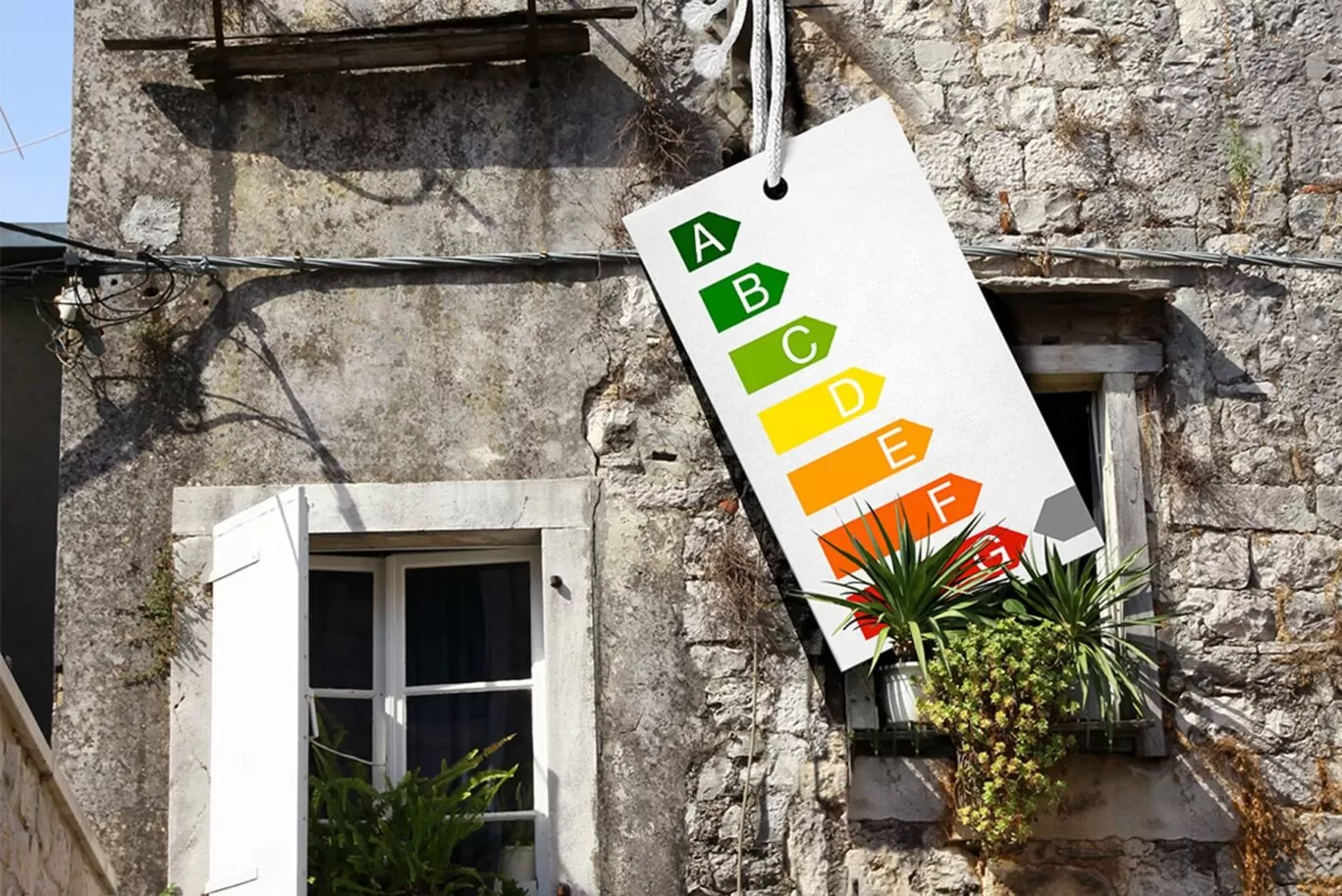
A qualified and accredited Non-Domestic Energy Assessor (NDEA) uses building information to produce an Energy Performance Certificate (EPC) for commercial buildings such as offices, shops and warehouses.
In England and Wales, an EPC is generally required when a non-domestic building is constructed, sold or rented out, subject to exemptions. The certificate gives prospective owners and occupiers information about the building’s energy performance and suggests recommendations for how it could be improved.

What do NDEAs do?
The role combines site visits, technical analysis and client communication. NDEAs investigate the property, collect supporting documents, measure the building and record its construction and services. They then use the evidence to model its energy performance and prepare the EPC.
A typical project includes:
- planning access with the client
- surveying the premises
- checking heating and lighting information
- entering data into assessment software, and
- keeping records that support the findings.

Explore a typical NDEA working day to see how the role works in practice.
Who is the course for?
This course may suit domestic energy assessors looking to expand into commercial property, as well as:
- surveyors
- architects
- engineers, and
- other property professionals.
Relevant industry experience provides a useful foundation, although you do not need to qualify as a DEA first.
Commercial assessment involves varied building services and uses, which results in complex data entry. Thus, professionals looking to get into this field should feel comfortable with technical information and careful record keeping.
If you are already a domestic energy assessor, you will notice some similarities in the work. Read the difference between a DEA and an NDEA to compare the roles.
What are the entry requirements for NDEA training?
You must be aged 18 or over to take the NDEA course. No previous energy assessment experience or qualification is required – however a background in property, construction or building services is recommended. Also, due to the technical nature of the work, you should have strong IT skills, including using documents and spreadsheets, organising files and uploading coursework.
What equipment do I need?
For Energy Trust’s live online NDEA course, you will need:
- A Windows PC or laptop, or a Mac configured to run Windows
- Access to Zoom
- A reliable internet connection
If you need advice about your experience or computer setup, contact our team before booking.
View the full NDEA course details and entry requirements for more information.
What will I learn?
Our commercial EPC course teaches you how to assess the energy performance of non-domestic buildings, such as shops, offices and warehouses. You will learn how to gather information about a building and use it to produce a commercial Energy Performance Certificate (EPC).
Throughout the course, you will learn how to:
- Survey a commercial building: Take measurements and record features such as walls, roofs, windows and insulation that affect its energy performance.
- Divide a building into zones: Identify areas with different uses or heating and cooling arrangements so they can be represented accurately in your assessment.
- Identify building services: Understand the heating, cooling, ventilation, hot water and lighting systems within a property, and establish which areas they serve.
- Use energy assessment software: Enter your findings into iSBEM software, which uses the Simplified Building Energy Model (SBEM) to calculate the building’s energy performance.
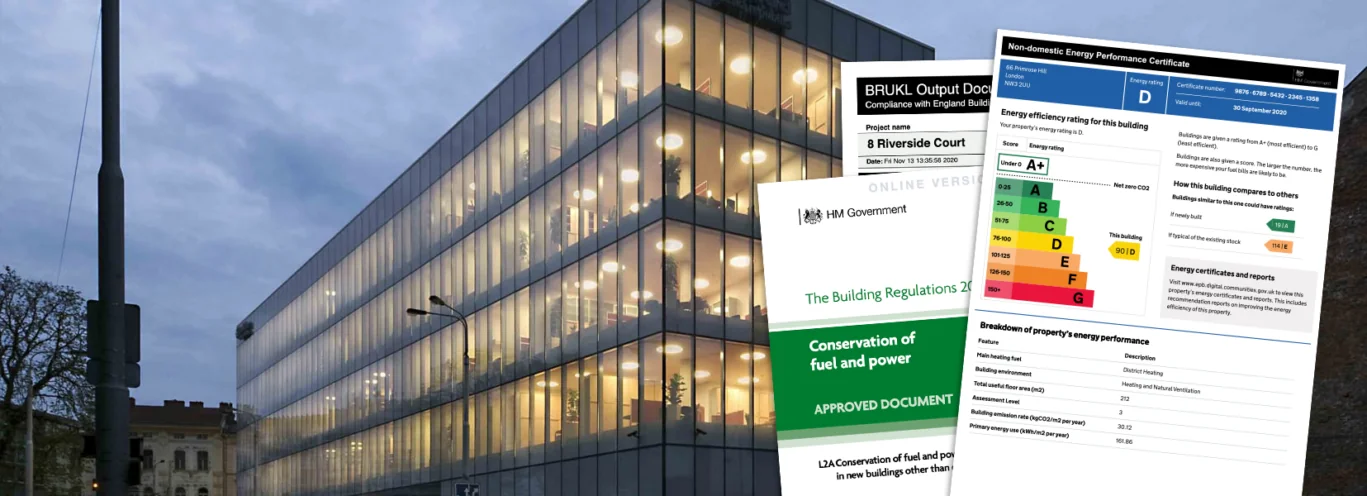
You will also be introduced to assessing newly constructed commercial buildings. This includes Part L, the section of the Building Regulations concerned with energy efficiency, and BRUKL reports, which show how a building’s calculated energy performance compares with the relevant requirements.
You will put these skills into practice through example commercial EPC projects and written assignments. This helps you understand each stage of an assessment, from collecting evidence to entering information into the software and interpreting the results.
How does the course work?
Our NDEA course begins with four days of live online training, delivered through Zoom in a small class. Your tutor will guide you through each topic, using practical examples to explain how commercial energy assessment works. You can ask questions throughout the sessions and get clarification as you learn.
After the live training, you will complete a self-paced portfolio of coursework. This includes assignments and example commercial EPC projects that put your learning into practice and demonstrate your understanding.
You will work through the portfolio independently, with feedback and guidance from your dedicated assessor as you complete and submit your work.

How is it assessed?
You will be assigned a dedicated assessor who reviews your assignments and provides feedback and guidance where needed. They will check that your work meets the qualification requirements to help ensure you understand the topics before signing off each assignment.
How long does it take to complete the course?
The NDEA course includes four days of live online training, followed by a self-paced portfolio of coursework that typically takes around 8 to 12 weeks to complete.
You can work through the portfolio at your own pace, so your completion time will depend on how much time you can dedicate to the assignments. You have a maximum of 12 months to complete the course.
How much does it cost to qualify as an NDEA?
The course costs £1,890 + VAT. The fee includes qualification registration, training materials, portfolio assessment and certification.
What do I do once qualified?
Once you have completed the course, you will need to join an approved accreditation scheme for your assessment level before lodging EPCs. Qualification and accreditation are separate steps.

What opportunities does this qualification lead to?
Working as an NDEA
You could seek employed commercial energy assessor roles or work independently as a freelance assessor. For an existing property professional, commercial EPC assessment can also become an additional service alongside your current work.
Progressing into further roles
With further training and experience, progression can include low-carbon assessment, sustainability consultancy or teaching. Specialist services require their own competence and, where applicable, qualifications and accreditation.
More complex commercial assessment
You may choose to move into Level 5 Non-Domestic Energy Assessment, allowing you to tackle more complex buildings such as certain stadiums or shopping centres.
What is the difference between Level 3 and Level 4 non-domestic energy assessment?
A building’s ‘level’ reflects how complex it is to assess. This determines which assessment software is needed and the qualifications and accreditation an assessor must hold to produce its commercial EPC.
Level 3 covers simpler existing non-domestic buildings. Level 4 extends the scope to more complex building services and includes new-build assessment. Both use the Simplified Building Energy Model (SBEM) methodology. Level 5 buildings are the most complex; they require Dynamic Simulation Modelling (DSM) and the appropriate additional competence and accreditation.
A building’s assessment level depends on its characteristics and services, rather than its size alone. Before accepting a project, check that its complexity falls within your accredited scope.
See our guide to Level 3 and Level 4 commercial EPCs for a closer look at building complexity.
NDEA Course FAQs
An NDEA surveys commercial buildings, gathers evidence about their construction and services, and uses approved software to produce a commercial Energy Performance Certificate (EPC).
Energy Trust’s route includes four live online days followed by coursework, typically completed over 8-12 weeks. The time you need depends on your progress and successful assessment.
The NDEA course costs £1,890 + VAT. This fee includes registration, materials, training, portfolio assessment and certification.
The National Careers Service lists commercial energy assessor salaries from £25,000 for starters to £41,000 for experienced assessors. Actual pay varies by role, experience and location. Self-employed turnover is different from salary: business costs and time spent finding and managing work affect take-home earnings.
It can be technically demanding. Commercial buildings may have different uses, zones and heating or cooling systems within one property. Careful surveying, sound judgement and confident software use help you manage that complexity.
No, a DEA qualification is not a necessary prerequisite for NDEA training. However, relevant property or construction experience is recommended because the role is technical. Strong computer skills are also important.
Yes. Energy Trust’s NDEA course is delivered live online through Zoom, followed by remote portfolio work.
Level 3 covers simpler existing buildings. Level 4 covers more complex services and includes new-build assessment. Both use SBEM methodology. The appropriate assessment level depends on building characteristics and systems.
No. Buildings requiring Level 5 assessment fall outside Level 4 scope. Confirm the assessment level and your accreditation before accepting a project.
Yes. You must join an approved accreditation scheme for your assessment level before lodging commercial EPCs.
Commercial EPC course is a common way of describing training for non-domestic energy assessment. Check the qualification title, assessment level and accreditation requirements when comparing a course with the work you want to carry out.
In England and Wales, a commercial EPC is normally valid for 10 years, unless a newer certificate replaces it.
Tutors
Richard Elton: Worked in energy assessment since 2007 and holds non-domestic energy assessment qualifications up to Level 5. Meet Richard Elton.
What do our learners think?


Why choose Energy Trust?
Energy Trust has delivered energy assessment training since 2008. Learn with experienced trainers and assessors who understand the work behind the qualification, with support as you develop your skills.
Whether you want to expand an existing property service or explore a new career, our team can help you understand the route into commercial assessment.