




In late January 2026, the UK Government launched the Warm Homes Plan, a major new direction for energy efficiency and low-carbon home upgrades in the UK. The plan is backed by £15 billion of public investment, with the stated ambition to support upgrades in up to 5 million homes and help lift up to one million families out of fuel poverty by 2030. It is the largest public investment to upgrade British homes and cut bills.
The History Of The Warm Homes Plan
As many in the sector will know, the Warm Homes Plan is not entirely new. It was first set out ahead of the 2024 general election as a national ambition to make homes warmer, greener and cheaper to run.
The original proposal aimed to support households through a combination of grants and low-interest loans for measures such as insulation and other energy-saving improvements. Delivery was intended to be local rather than fully centralised, working in partnership with councils, combined authorities and devolved governments. The plan also anticipated drawing in private investment from lenders such as banks and building societies.
Although the Warm Homes Plan has only recently been formally announced, it builds on a number of funding programmes that are already underway or scheduled to deliver upgrades over the coming years. These include:
- Warm Homes: Local Grant – giving £500 million to councils to improve energy efficiency in low-income homes with poor EPC ratings.
- Warm Homes: Social Housing Fund – providing £1.29 billion to social landlords to upgrade homes that are below EPC band C.
Main Features of The Warm Homes Plan
The government’s recent announcement has clarified what we can expect from the Warm Homes plan going forward. The plan guarantees £15 billion of investment in the energy efficiency space over the next 5 years. This could support upgrades in up to 5 million homes, possibly lifting 1 million families out of fuel poverty by 2030.
The plan is built around three main pillars:
- Direct support for low-income families – upgrades such as solar panels and batteries could be available fully funded for low income families.
- An offer for everyone – the plan includes a government-backed, zero and low interest loans programme to get solar panels onto the nation’s rooftops and new rules that mean every new home will come with solar panels by default.
- New protections for renters – updated protections for renters and a new framework to support landlords through improving properties will lift more people in privately rented accommodation out of fuel poverty.
Let’s take a closer look at where the funding and activity is focused.
1) £5 Billion to Make Low-Income Homes Warmer and Cheaper to Run
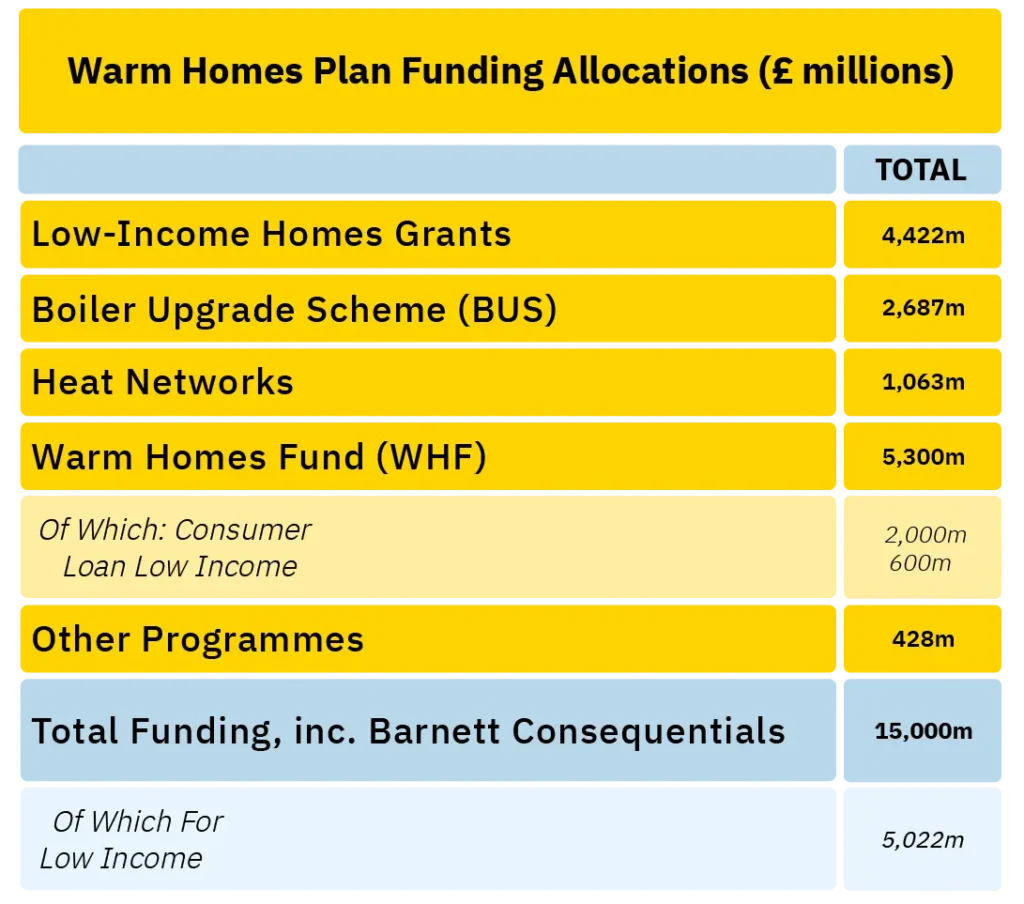
The Warm Homes Plan commits £5 billion to improving energy efficiency in low-income households, with support targeted at those most in need. The intention of the Warms Home Plan is to provide targeted upgrades tailored to each home, which could be available fully-funded. By doing so, this should help to reduce energy bills permanently by improving heat retention and helping households generate and utilise more of their own electricity.
In England, fuel poverty is measured using the Low Income Low Energy Efficiency (LILEE) indicator. Under this definition, a household is considered fuel poor if it lives in a home rated band D or below and, after paying the cost of heating, its remaining income falls below the poverty line.
The UK Government sets out that the Warm Homes Plan will play a vital role in tackling fuel poverty, helping up to one million households out of fuel poverty by 2030 through increased public investment and the introduction of new minimum energy efficiency standards for both private and social landlords. Alongside this, the government’s decision to expand the Warm Home Discount to almost three million additional households in need this winter demonstrates decisive action to reduce fuel poverty and ensure more people can live in warmer, more affordable homes.

2) Finance to Remove the Upfront Cost Barrier
For many households, the initial cost is the primary obstacle keeping them from installing useful energy efficiency measures in their home. For most homeowners, the issue isn’t “will this improve my home?” — it’s “can we afford it right now?”
Technologies like heat pumps, solar panels and home batteries can reduce energy bills over time, but the high upfront cost can be a major barrier for many households. The Warm Homes Plan aims to remove that obstacle by offering government-backed loans with very low, or even zero, interest. This means homeowners can install energy-saving upgrades when it works for them, without needing to find thousands of pounds upfront, potentially making upgrades more accessible.
In addition to the new loan offer, the government has confirmed it will maintain the existing heat pump grant through the Boiler Upgrade Scheme (BUS). The £7,500 grant will remain in place, directly reducing the upfront cost of installing a heat pump and making the technology more accessible for many homeowners. Alongside this, the Warm Homes Plan signals continued support for scaling up heat pump deployment, with an ambition to grow the market to more than 450,000 installations per year by 2030 across both new-build and existing homes.
3) Supply Chain Support
One major difference between the Warm Homes Plan and the Energy Company Obligation (ECO) is how each scheme is funded. Under ECO, energy efficiency improvements were paid for through levies on household energy bills, meaning the costs were ultimately borne by larger energy suppliers and passed through the system. By contrast, the Warm Homes Plan represents a major structural shift, it will be funded directly through public funding rather than through a supplier obligation.
The government has confirmed there will be no successor supplier obligation after ECO4. This marks a clear move away from the bill-funded model and shifts the centre of gravity toward publicly funded delivery.
The government has also formally set out the timetable for the transition:
- ECO4 will end on 31 December 2026, following a nine-month extension
- GBIS will end on 31 March 2026, as originally planned
- There will be no carry-over mechanism, because there is no replacement obligation scheme
Importantly, ECO4 will not take on new targets or projects during its extended period. The extension is intended solely to allow suppliers to meet existing commitments and focus on remediation where installations have not met required standards.
This transition is vital for the retrofit supply chain. A stable funding and delivery pipeline is essential if installers, coordinators, assessors, and manufacturers are to continue investing in skills, quality and capacity. To protect the workforce and businesses currently dependent on ECO, the Warm Homes Plan proposes maintaining continuity through the existing ECO delivery infrastructure. Grant recipients will therefore be able to access work through the established ECO supply chain. Where additional government “top-up” funding is provided, councils and housing providers will be expected to use the same companies and delivery networks that currently implement ECO measures.
To manage this shift, a government-led working group will oversee the transition, with responsibilities including:
- Coordinating delivery between councils, housing associations, and installers
- Supporting businesses that relied on ECO to secure replacement work through publicly funded retrofit programmes
- Ensuring the existing workforce and capacity are not lost as ECO comes to an end
The Warm Homes Plan is not only a funding change, but a significant restructuring of how retrofit will be delivered in the UK, and easing this transition effectively will be critical to maintaining supply chain stability.

4) Landlords & Renters
Cold and damp homes remain a serious problem in parts of the private rented sector, with issues like mould still affecting too many households. The government has been clear that this is not acceptable: renters should not be left living in unhealthy, inefficient properties, and privately rented homes must become warmer, safer, and cheaper to run.
The Warm Homes Plan sets out a long-term direction for improving standards across private rented housing in England and Wales. Its approach is two-sided: strengthening protections for tenants so they are not stuck in poor-quality accommodation, while also giving landlords a workable pathway, with support and realistic timeframes, to carry out necessary upgrades. In other words, the goal is to raise standards, but to do so in a way that is achievable rather than overnight.
Changes to MEES for Privately Rented Homes
These proposals relate to the government’s ongoing policy work on raising the Minimum Energy Efficiency Standards (MEES) in the private rented sector.
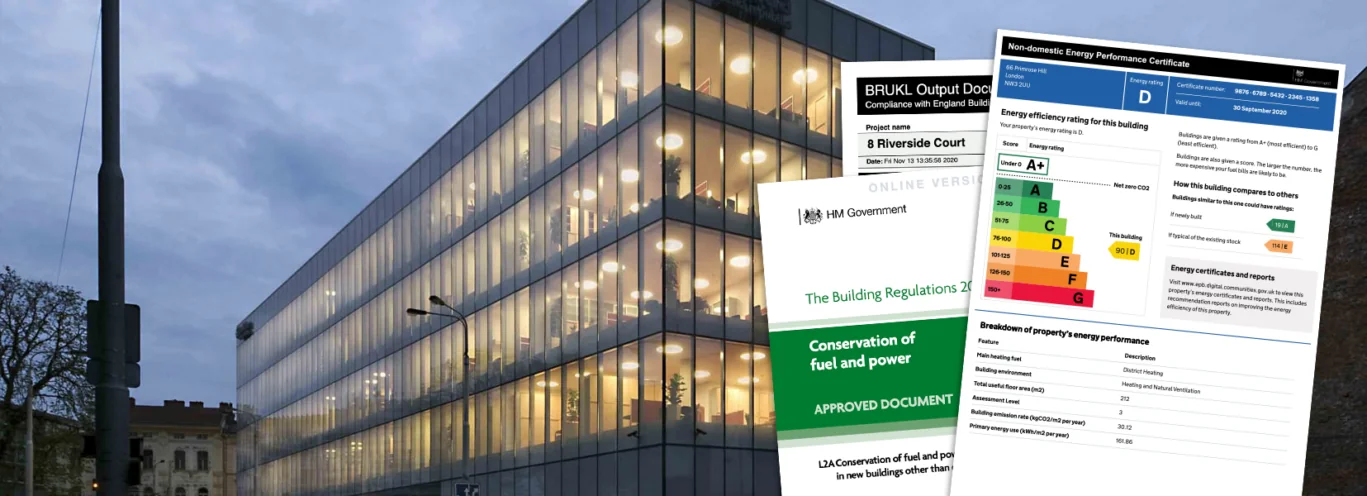
The government’s direction of travel is clear: all privately rented homes will be expected to reach the equivalent of EPC Band C by 2030. This is intended to apply across the sector, not only to new tenancies, ensuring that all renters benefit from improved energy performance.
The Warm Homes Plan signals several key elements of this policy intent:
- Privately rented homes would be required to meet the equivalent of EPC Band C.
- The target deadline is October 2030.
- The requirement is expected to apply to all tenancies, not just new lets.
- Compliance may be assessed using two new EPC metrics, rather than relying solely on a single headline score
Cost Cap and Landlord Requirements
It is important to note that the government’s detailed proposals are still subject to consultation and final publication. The 2025 consultation document discusses a potential cost cap of up to £10,000 per property, although modelling suggests that many homes would require significantly less investment on average.
The government’s intention is that landlords should contribute to improvements, but within a defined and proportionate limit, and with most upgrades expected to cost well below the maximum cap.

4) New Warm Homes Agency
The government plans to establish a new body called the Warm Homes Agency (WHA) to lead and coordinate delivery of the Warm Homes Plan. Its central purpose will be to simplify what has often been a complex and fragmented retrofit landscape, creating a clearer and more navigable system for both households and industry.
The WHA will be responsible for:
- Leading and managing the delivery of the Warm Homes Plan
- Making the process simpler, clearer and more consistent for households and installers
To achieve this, the government intends to close Salix and bring together responsibilities currently spread across government departments and Ofgem into a single organisation. The aim is to reduce duplication, streamline delivery and improve accountability by ensuring there is one clear body in charge.
For homeowners and tenants, the WHA is designed to act as a single trusted starting point. This is significant because complexity has been one of the biggest barriers to retrofit: many people are unsure what support they qualify for, which improvements are appropriate and who they can trust to deliver work to a good standard.
Through the WHA, households will be able to access:
- Impartial advice on which upgrades are suitable
- Clear information on eligibility for grants or loans
- Guidance on what funding is available and how to apply
- Support in finding trusted, approved installers
In short, the WHA is intended to provide a one-stop shop to help people navigate the Warm Homes Plan with confidence.
However, the WHA’s role will extend beyond households. The WHA will also support the growth and stability of the retrofit sector itself, working with installers, manufacturers, retrofit firms and trade unions to support training and re-skilling. This is intended to ensure the workforce can scale up quickly enough to meet rising demand as the programme accelerates.
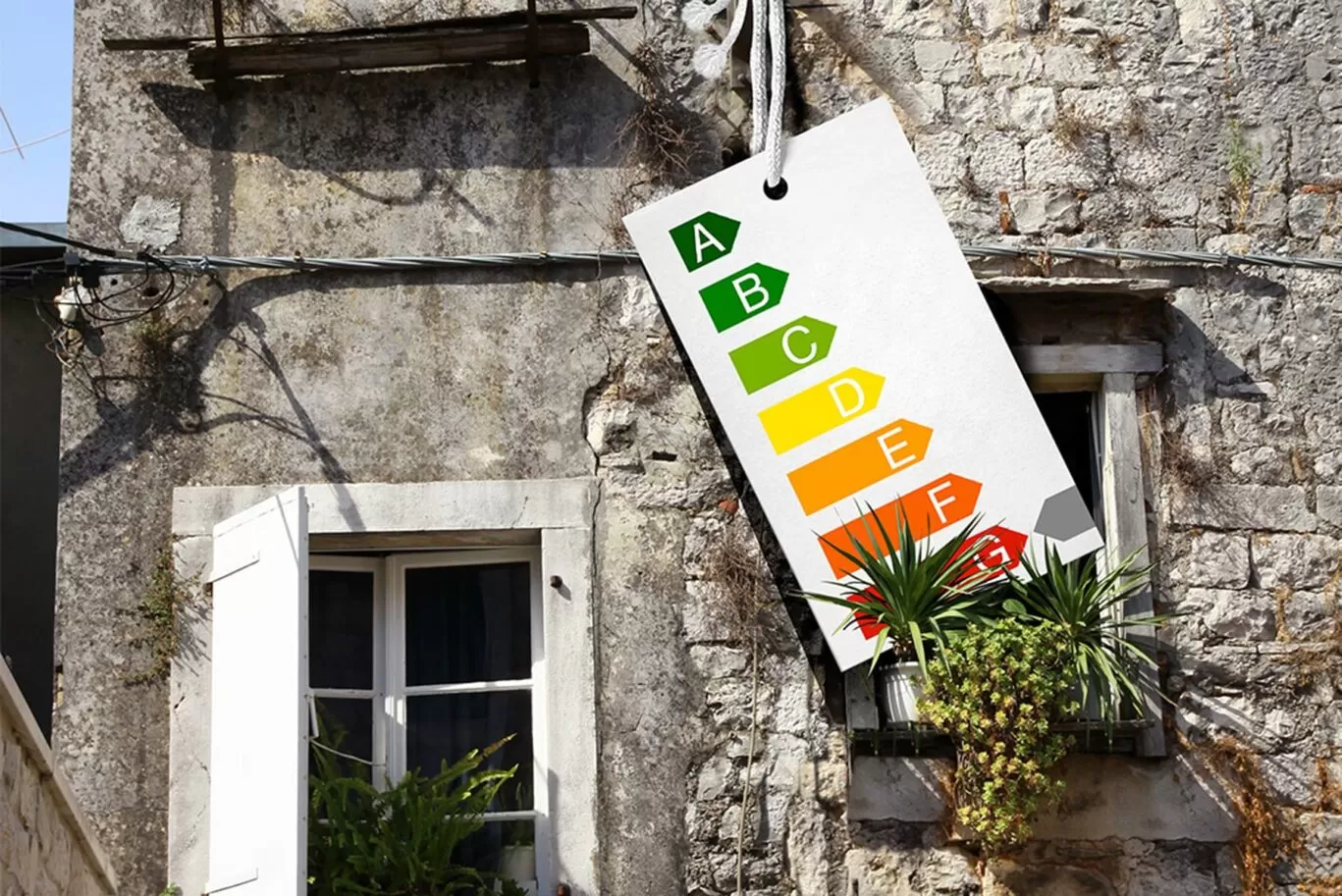
The Impact of EPC Reform
As noted earlier, the Warm Homes Plan is closely linked to the government’s wider programme of EPC reform and planned changes to Minimum Energy Efficiency Standards (MEES) in the private rented sector. While the government has not yet published the full outcome of its MEES consultation, its response to date signals several important adjustments that will shape the future of EPC compliance.
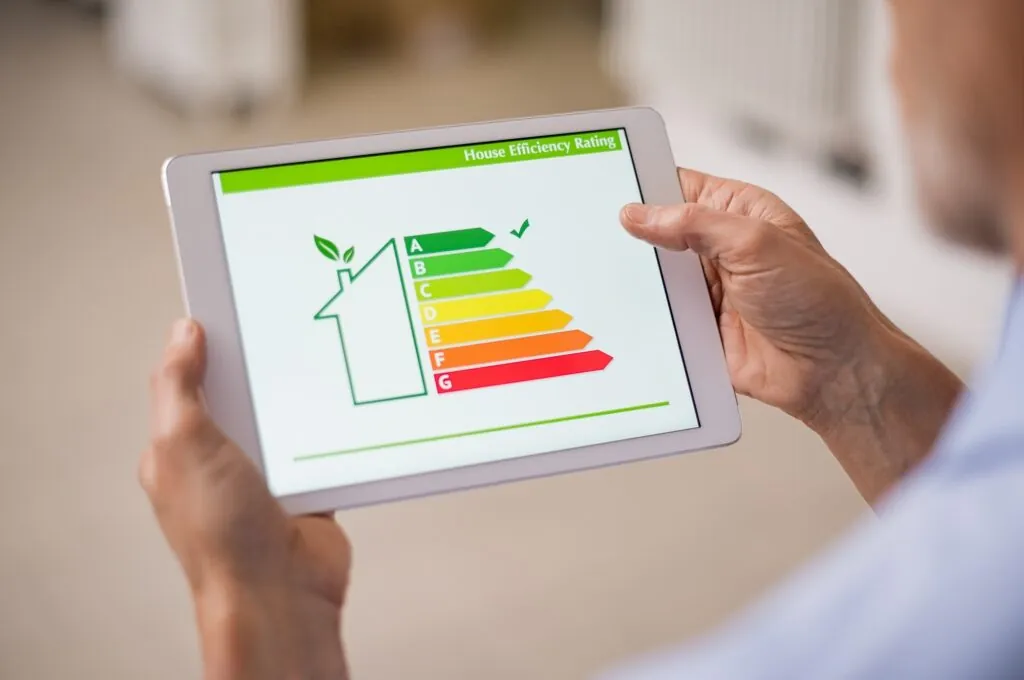
Most significantly, the government has confirmed its direction of travel: all privately rented homes will be expected to meet the equivalent of EPC Band C by October 2030. Compliance will be judged using new, clearer EPC metrics including 4 new headline metrics:
- Energy cost – how much the home is likely to cost to run.
- Fabric performance – how effectively the building retains heat.
- Heating system – the efficiency and environmental impact of installed heating.
- Smart readiness – how well the home is prepared for smart energy technologies.
Reaching this standard across the private rented sector will require a large amount of energy efficiency upgrades over the next decade. The Warm Homes Plan is intended to provide the financial support, flexibility and delivery framework landlords will need to meet these requirements, while ensuring renters benefit from warmer, healthier and more affordable homes.
Energy Trust will release more information about the confirmed EPC reforms soon – watch this space.
Industry Impacts of the Warm Homes Plan
Delivering the Warm Homes Plan at scale will require an expansion of the UK’s retrofit workforce. The government has made clear that meeting its ambitions on home energy upgrades will depend on having far more trained, qualified people available to carry out installations. This means the plan has the potential to support substantial job growth across the sector. Government modelling suggests that jobs in energy efficiency and low-carbon heating could increase significantly by 2030, potentially rising from around 60,000 roles in 2023 to as many as 240,000 direct jobs by 2030.
These skilled roles include:
- Retrofit Coordinators
- Heat pump installers
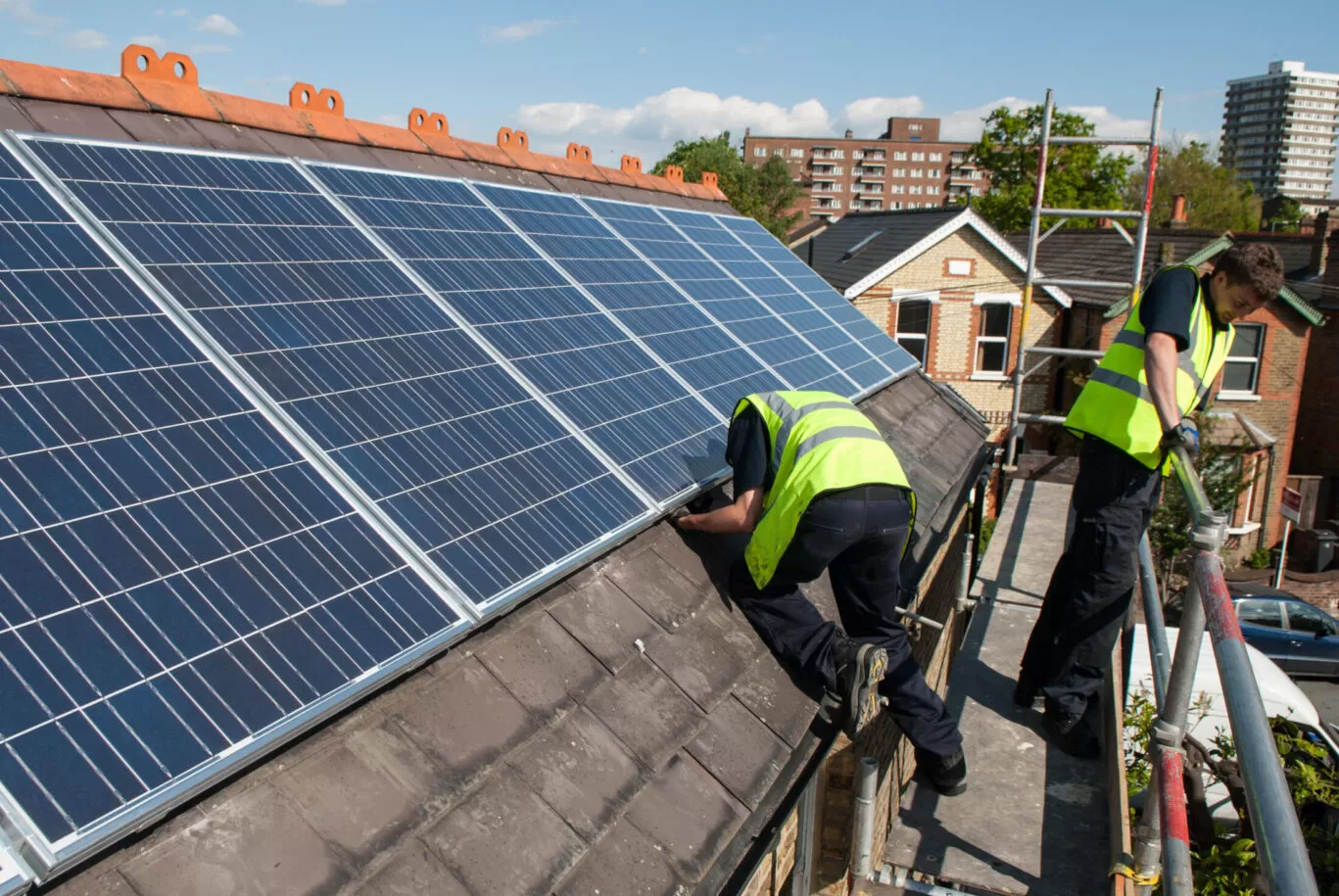
- Solar PV and battery installers
- Other energy efficiency and retrofit roles
- plus, indirect jobs, including those involved in manufacturing
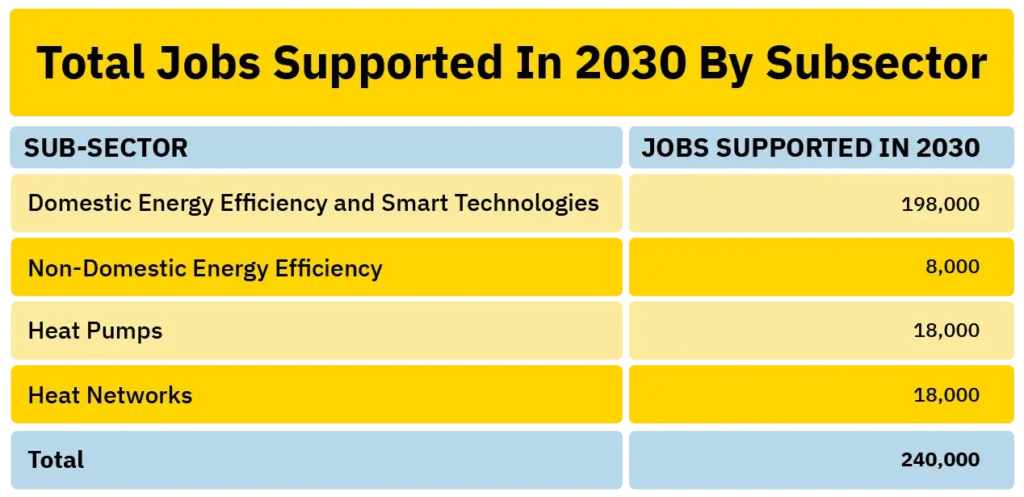
Source: Internal DESNZ Analysis
The Instability Before the Warm Homes Plan
As ECO approached its end with no confirmed successor scheme, uncertainty began to build around the future of the retrofit market. This lack of clarity may have put some people off entering the sector or investing in training, and could have slowed progress in recruitment and skills development. Without confidence that work would continue, both individuals and businesses were understandably cautious about expanding capacity.
The Warm Homes Plan is intended to help bring greater stability by setting out a longer-term programme of home upgrades. With millions of properties expected to benefit from improvements over the coming years, it could provide a clearer pipeline of work and more reassurance for the workforce. In turn, this may strengthen the case for investing in qualifications, training and long-term growth across the retrofit sector.
Retrofit & Energy Efficiency Professionals
Like much of the wider industry, energy efficiency and retrofit professionals faced a period of uncertainty as ECO4 moved toward its end date. With no confirmed successor supplier obligation, the future pipeline of work appeared less clear, raising concerns about long-term stability in the industry.
However, Warm Homes Plan is intended to help address this by signalling significant ongoing investment in home upgrades. With millions of properties expected to benefit from retrofit measures over the coming years, the plan could provide a stronger sense of continuity and opportunity for those working across the sector.
This same principle also applies to Domestic Energy Assessors. The confirmation of EPCs as the benchmark metric for assessing domestic homes, alongside more defined energy efficiency targets, indicates that these roles are likely to remain in-place for the foreseeable future as standards rise and the housing stock is improved.
In summary, the Warm Homes Plan is a positive step for the energy industry. While its ultimate impact will depend on how effectively it is delivered in practice, it offers much-needed direction, funding, and potential support for the workforce and supply chain over the decade ahead.
To read more about the Warm Homes Plan – please visit the UK Government Warm Homes Plan webpage here.