


Fuel poverty is closely connected with the energy efficiency of Britain’s homes. For Domestic Energy Assessors, Retrofit Assessors, Retrofit Coordinators and other energy professionals, understanding this connection can provide important context to the work being carried out every day.
But what exactly is fuel poverty? How is it measured? And why does improving the energy efficiency of homes form such an important part of the government’s approach to tackling it?
Let’s take a closer look.
What Is Fuel Poverty?
The term fuel poverty is used to describe households that struggle to afford the energy they need. However, there is a specific way that fuel poverty is officially measured in England. The government uses the Low Income Low Energy Efficiency (LILEE) indicator.
Under this measure, a household is considered fuel poor when two conditions are met:
- they are living in a property with a fuel poverty energy efficiency rating of band D or below, and
- when they spend the required amount to heat their home, they are left with a residual income below the official poverty line
This is an important distinction. Fuel poverty isn’t determined by looking at someone’s energy bill and income alone. The energy efficiency of the property itself forms part of the definition.
How Is Fuel Poverty Calculated?
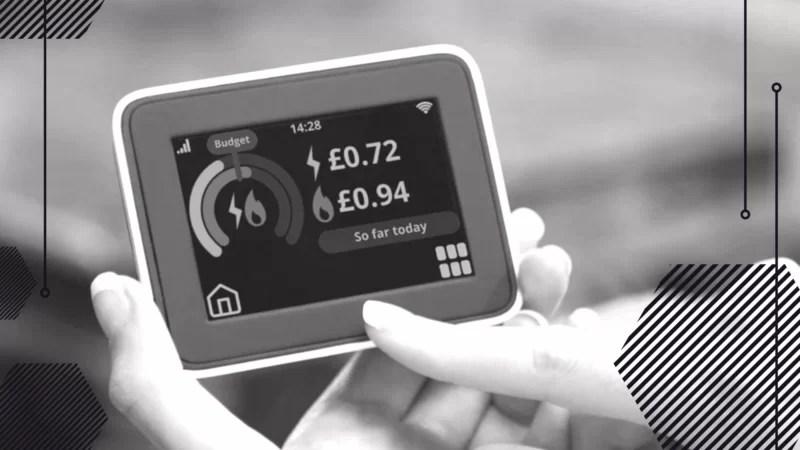
Another important point is that the government doesn’t simply look at how much energy a household actually uses. Instead, fuel poverty calculations consider required energy bills. The government is interested in the amount of energy people need to have a warm and well-lit home, hot water for everyday use and the running of appliances, not just how much energy they actually use.
This is important because actual energy consumption doesn’t necessarily tell us whether a household can afford to heat its home adequately. This distinction is designed to account for people who are under-heating their homes to get by financially.
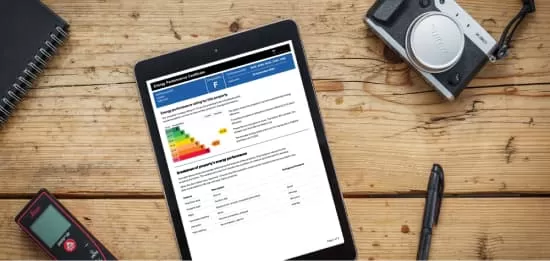
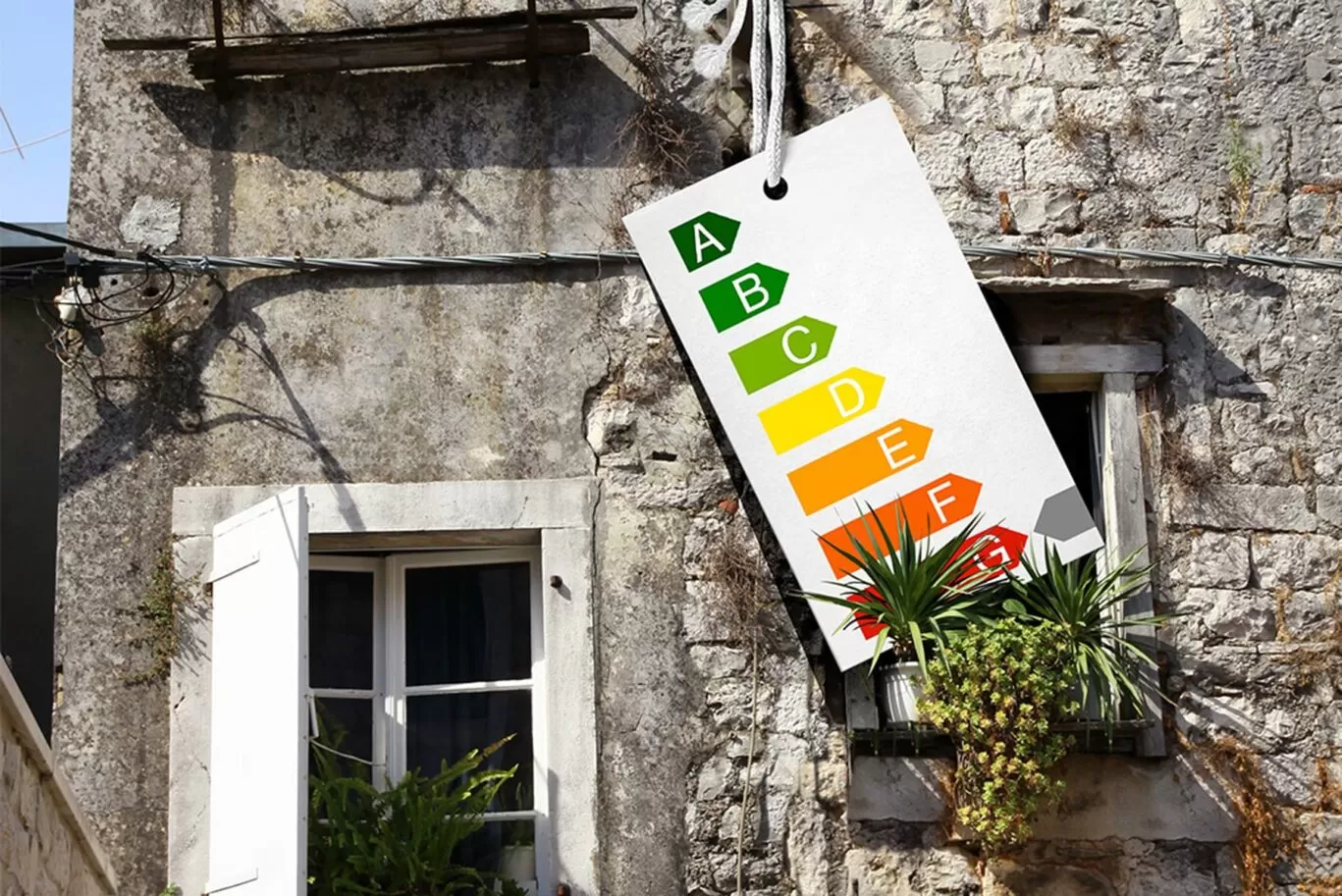
Another factor involved in the calculation is the house’s energy efficiency. The energy performance of the home has an important influence on its energy requirements. The more energy efficient a house is, the less it will cost to run. This demonstrates why EPC ratings are so key to any conversation about fuel poverty.
So, to summarise, the government identifies three important elements when determining whether a household is fuel poor: fuel prices, household income and household energy requirements.
How Many Households Are In Fuel Poverty?
The latest government statistics show the scale of the challenge.
In 2025, an estimated 2.36 million households in England were in fuel poverty under the LILEE measure. That’s approximately 9.4% of households. The average fuel poverty gap was estimated at £379.
The fuel poverty gap represents the reduction in required fuel costs that would be needed for a fuel-poor household to no longer be considered fuel poor. This could come in two forms. It could either be the cost required in order to upgrade the home to reach FPEER Band C, or the reduction in fuel costs needed so that the household’s net income is above the official poverty line.
What Does Fuel Poverty Have To Do With Energy Efficiency?
Fuel poverty is closely impacted by dwelling running costs. The more energy efficient a house is, the less it costs to run. Therefore, we can reduce fuel poverty by improving energy efficiency.
In fact, as stated earlier, a key feature of the LILEE definition is that a household needs to be living in a home with a Fuel Poverty Energy Efficiency Rating of Band D or below to be classified as fuel poor. Therefore, government’s approach to tackling fuel poverty has a strong focus on the energy performance of homes. This brings fuel poverty directly into the world of domestic energy efficiency and retrofit.
What Is The Difference Between FPEER Band C and EER/EPC Band C?
The standard Energy Efficiency Rating (EER) is the cost-based measure underlying the headline A–G rating shown on an EPC. FPEER starts from that EER but adjusts the methodology to account for interventions delivering direct energy-bill reductions to low-income households. So, a dwelling could fall into an EPC Band D, but then once the FPEER takes into account savings available through schemes such as the Warm Homes Discount, it could end up in FPEER Band C.
What Is The 2030 Fuel Poverty Target?
England also has a statutory fuel poverty target. The target aims for “as many fuel-poor homes as is reasonably practicable to achieve a minimum energy efficiency rating of Band C by 2030.” Improving the energy efficiency of lower-income households is therefore not simply a general ambition. It sits at the centre of the statutory fuel poverty target.
Why Does Fuel Poverty Matter To Domestic Energy Assessors?
Domestic Energy Assessors aren’t responsible for determining whether an individual household is fuel
poor. However, there is an important connection between energy assessment and the wider challenge.
Energy assessment provides a structured way of understanding the energy performance of Britain’s homes. Domestic Energy Assessors collect information about the characteristics of properties, and EPCs provide an indication of their energy performance and potential for improvement. Accurate assessment is an important part of the wider energy efficiency landscape.
When millions of households are estimated to be experiencing fuel poverty, understanding how our homes perform becomes particularly important.

Why Does It Matter To Retrofit Professionals?
For retrofit professionals, the connection is even clearer. The government’s fuel poverty target is specifically focused on improving the energy efficiency of fuel-poor homes. However, that doesn’t mean retrofit alone can solve fuel poverty. The government’s own measure makes clear that household income, energy requirements and fuel prices all play a role. But improving the energy performance of homes can address one important part of the problem. Retrofit Assessors and Retrofit Coordinators therefore work in a sector that has an important role to play in the wider national effort to improve Britain’s existing housing stock.
Energy Efficiency And The Bigger Picture
For an energy professional, an EPC rating, insulation level or heating system can easily become part of the
everyday routine. Fuel poverty helps put those details into a wider context.
For DEAs and retrofit professionals, understanding fuel poverty isn’t about diagnosing a household’s financial circumstances. It’s about understanding the wider reason why assessing and improving the energy performance of our homes matters.
As England works towards its fuel poverty target, the skills required to understand existing homes and identify appropriate opportunities for improvement will continue to have an important part to play.