
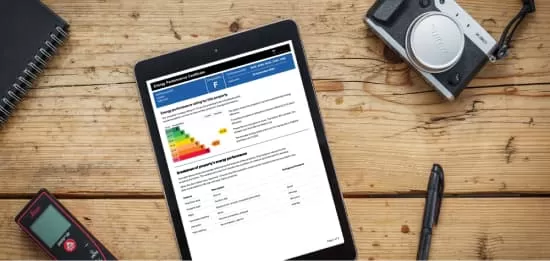

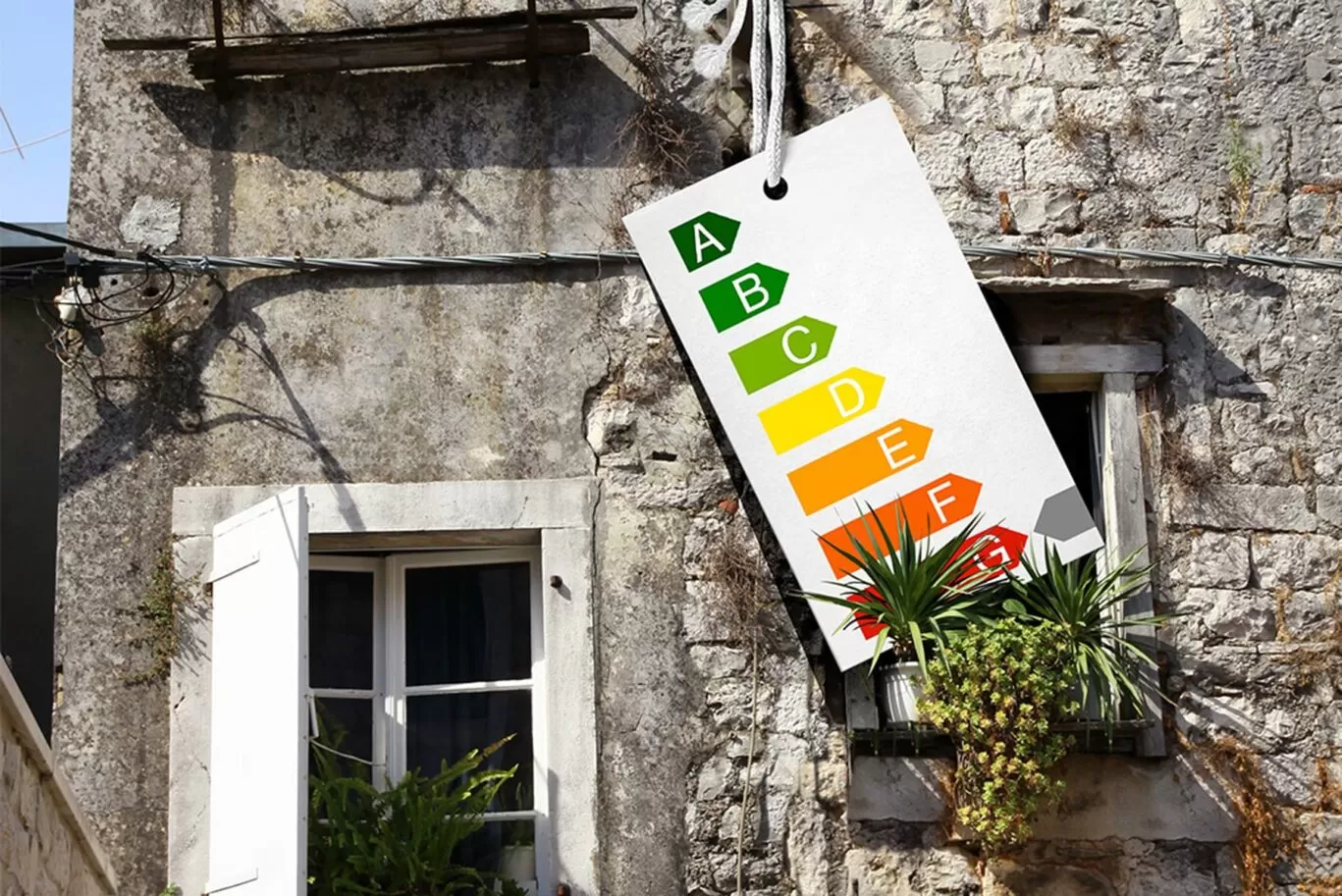


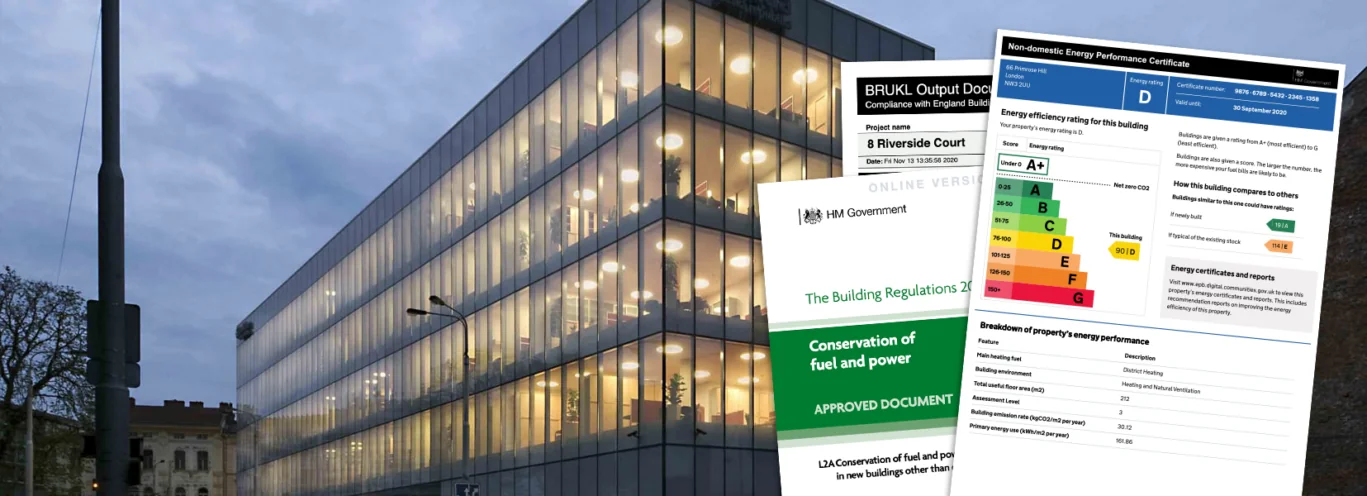
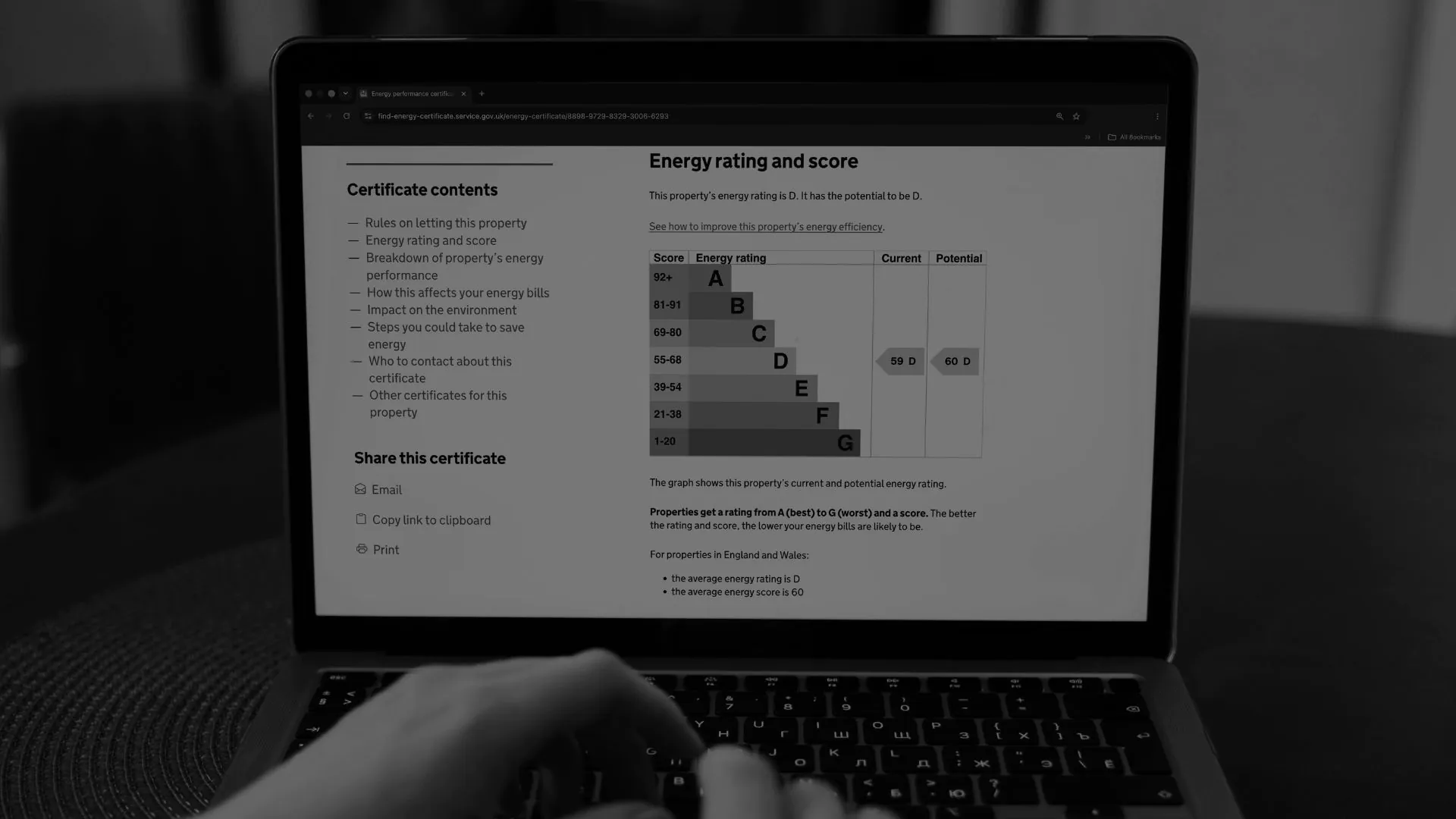
Energy Performance Certificates (EPCs) are a key part of the UK’s approach to improving home energy efficiency. However, the DESNZ EPC Accuracy Report highlights that there can be a gap between EPC-modelled energy use and actual household energy use. This is known as the EPC performance gap. Understanding the main causes of EPC accuracy gaps is important for improving confidence in EPC ratings and supporting better energy efficiency decisions.
Why EPC Accuracy Matters
Energy Performance Certificates (EPCs) were originally designed as comparative ratings, rather than exact predictions of how much energy a specific household will use. In other words, they are intended to compare the likely efficiency of one property against another under standard assumptions.
But EPCs are now used for a much wider range of purposes, including energy efficiency policy, rental standards, retrofit planning and consumer decision-making. This makes EPC accuracy increasingly important.
When EPC data does not reflect the current condition of a property, or when modelling assumptions differ from real-world use, householders and landlords may not get the clearest picture of the property’s performance.

Main Causes Of EPC Accuracy Gaps
Outdated EPCs and Post-Assessment Improvements
One of the main causes of EPC accuracy gaps is that homes often change after an EPC has been lodged.
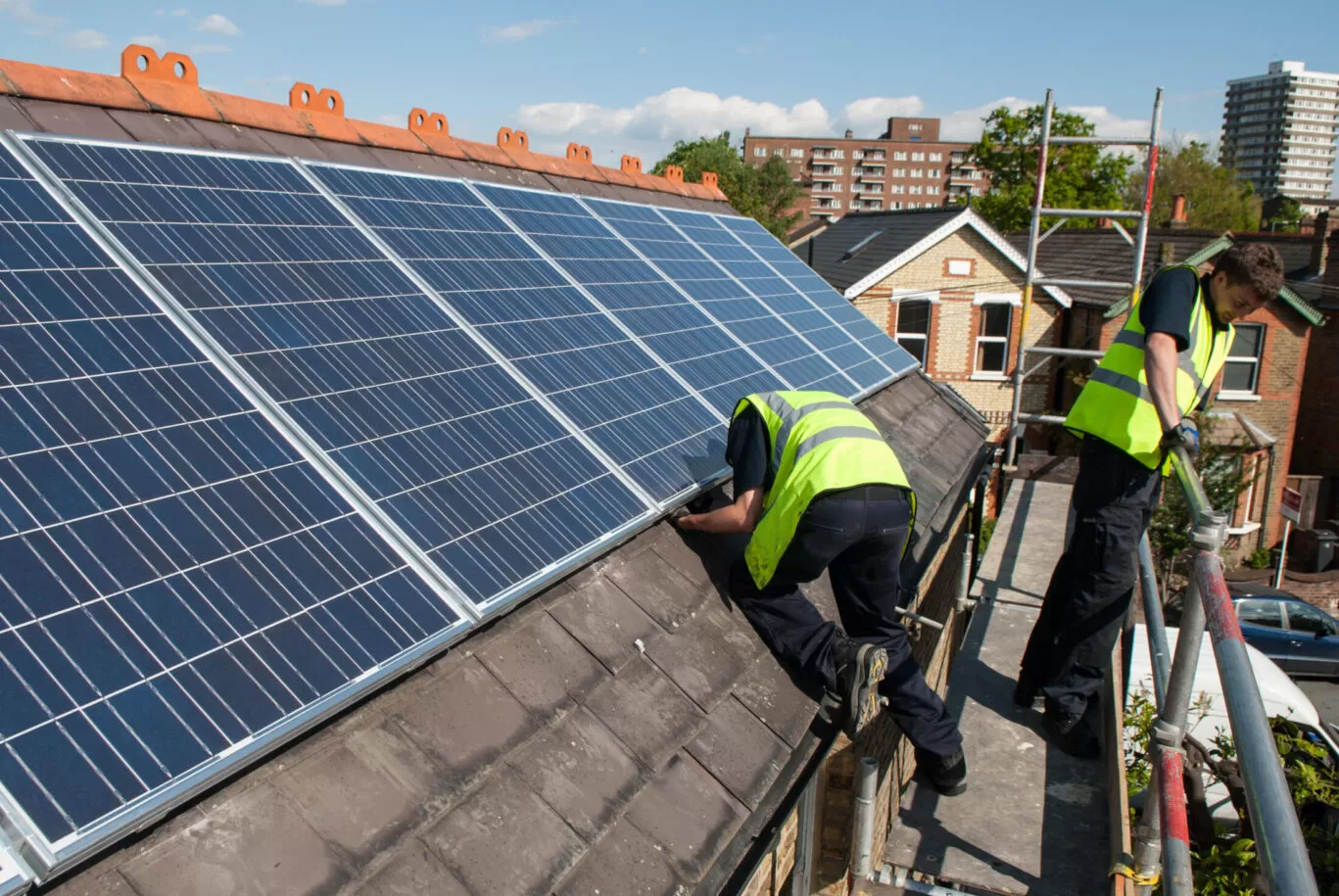
A property may have had a new boiler, additional insulation, replacement windows or other energy efficiency improvements since its last assessment. If the EPC is not updated, it may no longer reflect the current condition of the home.
The EPC Accuracy Report found that, for gas-heated homes, more than half of the reduction in the performance gap was associated with energy efficiency upgrades installed after the EPC was generated.
This highlights a key issue: EPCs can become less accurate over time if they are not updated after significant improvements.
EPC Modelling Assumptions
Another major cause of EPC accuracy gaps is the assumptions used within SAP and RdSAP.
The report found that several model assumptions differ from measured data. These include assumptions around ventilation, heat loss, solar gains, internal temperatures, hot water use and electricity use.
For example, some homes may have lower ventilation rates than SAP assumes. This can lead to heating demand being overestimated. The report also found that solar gains may be underestimated in some circumstances, while heat loss may be overestimated in some older homes and underestimated in some newer homes.
These issues do not mean EPCs are useless. Instead, they show that energy modelling is complex and that assumptions need to be continually tested against real-world evidence.
The Impact of RdSAP Defaults
Most EPCs for existing homes are produced using RdSAP. RdSAP is a “reduced data version” of SAP, designed to make assessments practical for existing buildings where full construction information may not be available.
Because of this, RdSAP relies on defaults and conventions. These are necessary, but they can also contribute to EPC accuracy gaps.
For example, if the assessor cannot verify certain upgrades or construction details, default values may be used. In some cases, these defaults may not fully reflect the actual performance of the property.
Older EPCs may also have been produced using earlier versions of RdSAP, with assumptions and conventions that have since changed. This can make historic EPCs less representative of the home as it stands today.
Assessor Errors and Data Collection Challenges
The EPC Accuracy Report also identifies Domestic Energy Assessor input errors as a contributor to EPC accuracy gaps.
The report found that assessor error resulted in an average 6% change in predicted annual space and hot water heating demand. In some cases, the impact was larger, particularly where building dimensions, heating systems or wall insulation were wrongly classified.
For Domestic Energy Assessors, this reinforces the importance of accurate data collection, careful evidence gathering and ongoing training.
The report also suggests that assessors could be better supported with access to historic EPC data, full SAP calculations where available, height data and energy efficiency records.
Electrically Heated Homes Are More Difficult to Model
The report found that electrically heated homes showed a larger performance gap than gas-heated homes.
This is partly because electrically heated homes can be more complex to model. The report suggests that the larger performance gap may be partly due to the additional complexity of modelling electrically heated homes, including heating patterns, tariff assumptions, zoned heating behaviour and internal temperatures.
Electrically heated homes are also often rated lower because EPC ratings are cost-based and electricity is significantly more expensive than gas. This means a home may use less energy overall but still receive a poorer EPC rating because of the cost of that energy.
This makes EPC accuracy especially important for electrically heated properties.
Key Takeaways for DEAs
The EPC Accuracy Report makes it clear that EPC accuracy gaps are not caused by a single issue. Instead, they arise from a combination of factors, including changes made to properties after assessment, modelling assumptions within SAP and RdSAP, assessor input errors, and the challenge of representing real-world heating behaviour through a standardised methodology.
For Domestic Energy Assessors, the findings reinforce the importance of accurate data collection and careful evidence gathering during assessments. The report highlights that errors relating to building dimensions, heating systems and insulation can have a significant impact on EPC outcomes, while outdated EPC data can also contribute to performance gaps.
The research also demonstrates that many EPC accuracy issues originate from wider modelling assumptions and historic data rather than assessment practice alone. This highlights the important role DEAs play in understanding the limitations of EPC calculations and helping homeowners, landlords and other stakeholders interpret EPC results appropriately.
As EPCs continue to play a growing role in retrofit planning, minimum energy efficiency standards and wider net zero policy, maintaining high assessment standards will remain essential to supporting confidence in EPC ratings and recommendations.