



The release of the confirmed methodology schema for applying the Home Energy Model to existing homes, currently known within the industry as HEMie, marks another step towards the government’s new EPC framework.
For a Domestic Energy Assessor (DEA) working with RdSAP, this update provides a clearer picture of how future assessments will look. It is a preparation milestone, with further guidance still needed before assessors move to the new system.
Home Energy Model and RdSAP: what is changing?
The government is developing the Home Energy Model (HEM) to replace SAP and RdSAP as the calculation framework underpinning domestic energy assessments.
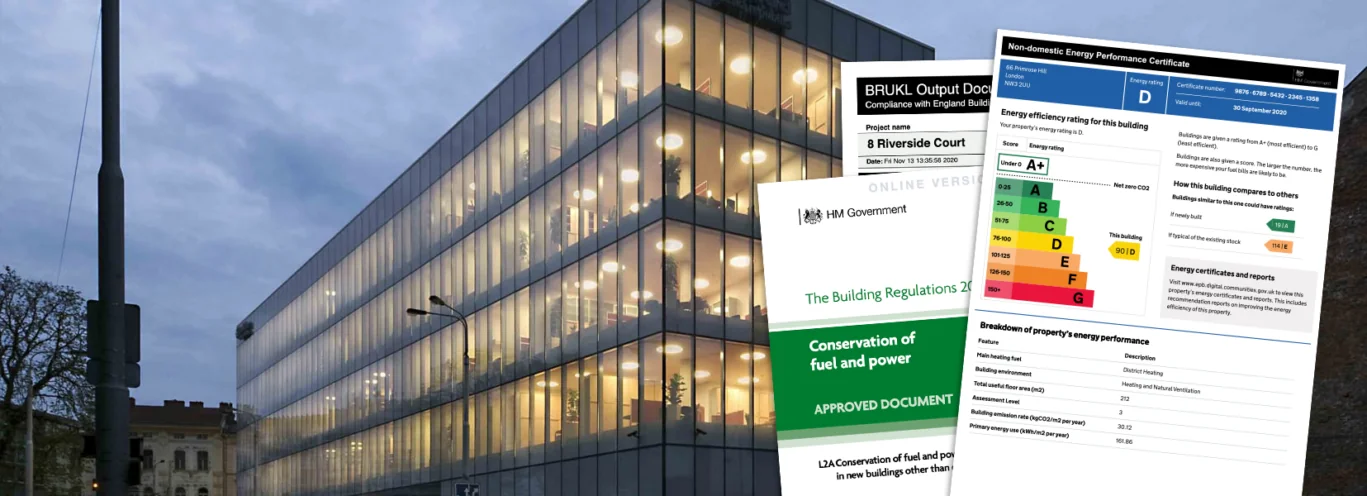
For existing homes, the transition from RdSAP to the Home Energy Model forms part of wider EPC reforms in England and Wales. Part of the aim is to provide clearer and more accurate information about building performance, heating systems and smart technologies, helping people understand how their homes could be improved.
HEMie sets out how information about existing dwellings can feed into this more detailed model while retaining simplified inputs and assumptions for practical assessments.
HEMie: key developments for EPC assessments
For a Domestic Energy Assessor (DEA) preparing for the transition from RdSAP to the Home Energy Model, the main developments concern how building features and technologies are represented in the calculation.
HEMie combines more sophisticated modelling with simplified inputs, defaults and inferred values. The government’s proposed modular approach allows detailed information to be used where available, while supporting assessments where that information cannot practically be collected.
Key developments include:
Meet Our DEA Tutors
Meet our DEA tutors. Every one of our trainers has years of practical experience in the qualification they teach. This gives them expert insight into not only the theory, but how that theory applies in real-world scenarios. They are eager to share that expertise with each and every class they teach.

Half-hourly energy calculations
HEMie moves beyond monthly calculations to model energy demand and system performance at half-hourly intervals. For DEAs familiar with RdSAP, this helps explain why the Home Energy Model can represent interactions between heating, renewable generation and energy storage in greater detail.

More detailed property geometry and shading
Individual building elements can have their own dimensions, orientation and pitch. Modelling also provides greater detail for dormers, bay windows, conservatories and shading from surrounding features. Assessors should look out for guidance explaining how these capabilities translate into survey inputs.
More flexible building fabric information
Documented U-values, construction descriptions and detailed construction layers can support fabric modelling, alongside improved treatment of thermal mass and thermal bridging. For a DEA, understanding which evidence the methodology accepts will be an important part of the transition from RdSAP.
More detailed heating and hot water systems
HEMie covers technologies such as heat batteries, heat networks and smart hot water tanks. Radiator and underfloor heating characteristics also receive greater attention. Future guidance will help assessors establish which system details need to be identified and recorded.
Better representation of solar PV and smart energy systems
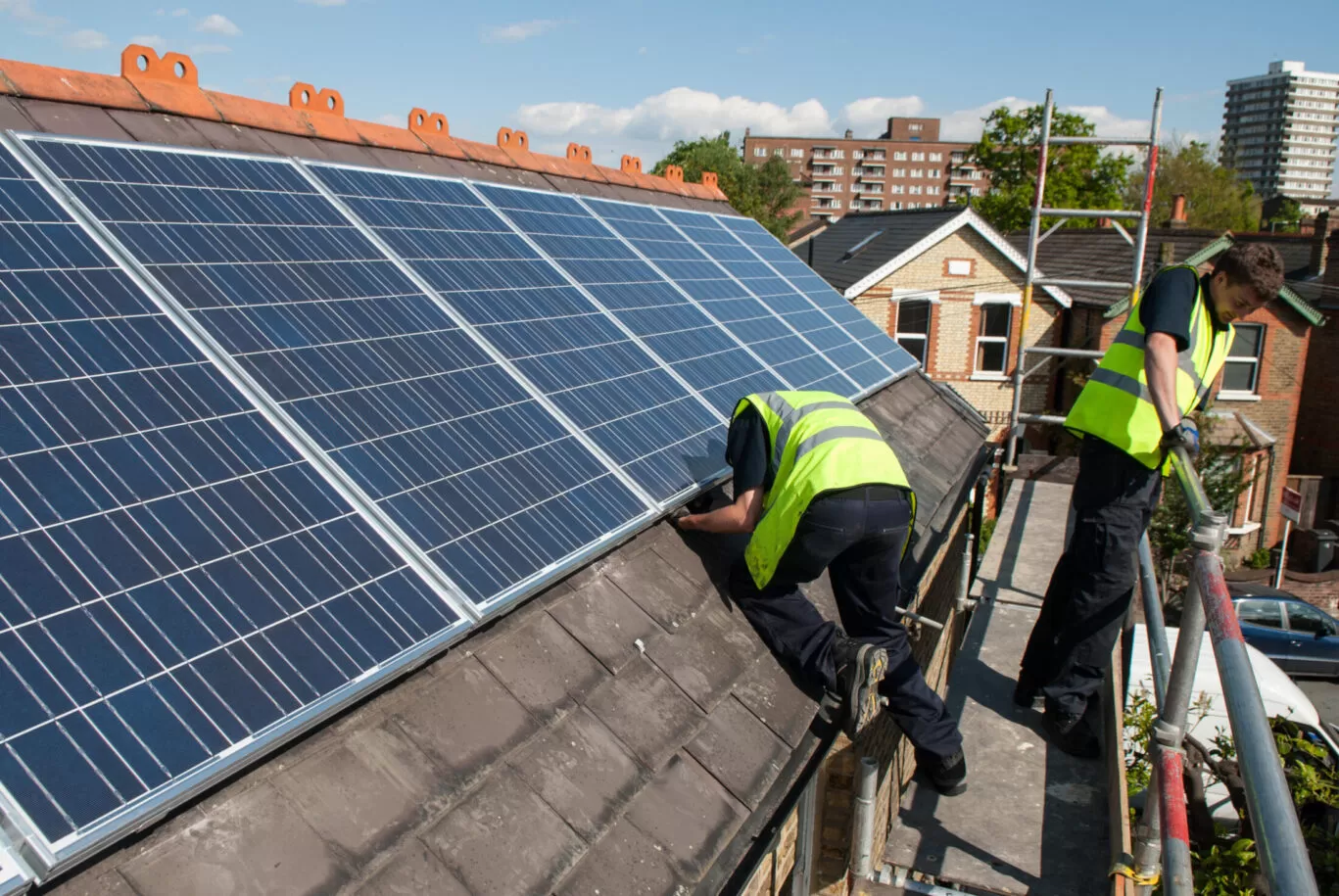
The methodology supports PV inverter details, battery storage and PV diverters. This is particularly relevant when assessing homes where several technologies work together, rather than considering each installation in isolation.

Broader ventilation and cooling modelling
The model considers window opening, infiltration, air permeability, trickle vents and cooling systems. DEAs will need to follow the assessment conventions to understand how these features should be recorded.

Changes to appliance and lighting inputs
Selected appliance details are recorded, while other appliance use follows standard profiles. Lighting calculations are automated. This illustrates why a more detailed model does not necessarily require more manual input in every area.

Scope for measured performance evidence
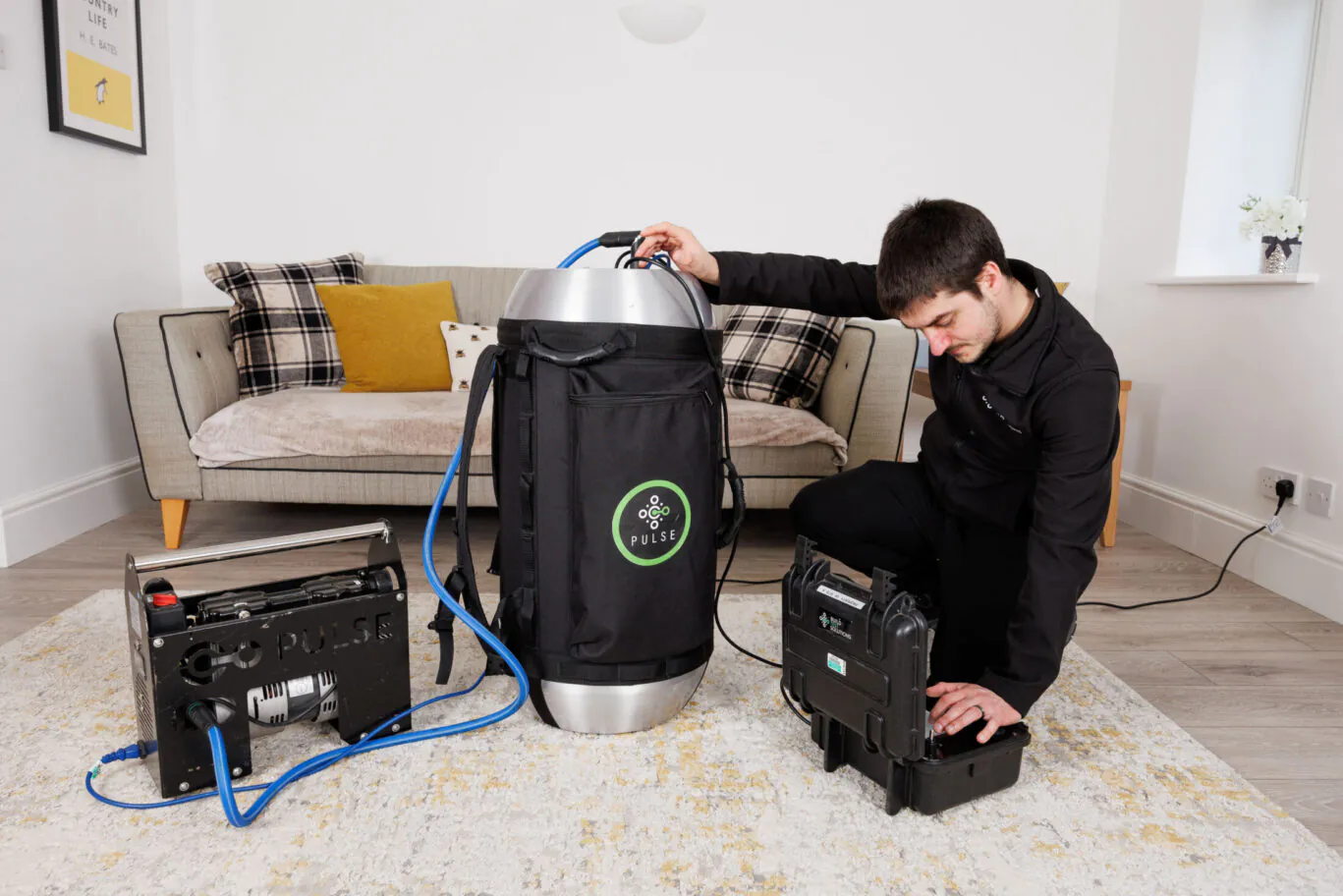
Approved measured Heat Transfer Coefficient results can sit alongside modelled values. Assessors should follow the supporting guidance on acceptable evidence and its use.
These developments describe the model’s capabilities. The final software, conventions and evidence requirements will determine how DEAs apply them during an assessment. Assessors should therefore use the HEMie update to understand the direction of change while preparing around confirmed implementation guidance.

Preparing for the transition from RdSAP to HEM
The Home Energy Model HEMie update gives assessors a useful starting point for understanding the direction of change. DEAs should keep these updates in mind for the future, and above all keep an eye out for updates as they roll out. Assessors can stay informed of industry updates by signing up to Energy Trust’s newsletter.
The priority is to understand the changes as implementation requirements become clear. No matter what developments come along with HEM, strong knowledge of building fabric, heating systems and evidence collection will provide useful foundations for learning the new approach.
Home Energy Model, HEMie and RdSAP FAQs
The Home Energy Model (HEM) is the government’s new methodology for simulating energy use in homes. It is being developed to replace SAP and RdSAP, with applications including domestic EPC assessments. Find out more in the Government Home Energy Model overview.
The Home Energy Model approach for existing dwellings is being developed to replace RdSAP for domestic EPC assessments. HEMie supports this by translating information collected about existing homes into inputs for the model.
DEAs will need to understand the new methodology, software and evidence requirements. The model supports more detailed calculations, but familiar information about construction, insulation and building services will remain relevant.
HEMie (Home Energy Model Input Expansion) is the name currently used within the industry for the approach supporting Home Energy Model assessments of existing homes.
For domestic EPC reform in England and Wales, the government’s published timetable points to the second half of 2027. The HEMie methodology release does not mean the new assessments are already operational. Assessors should follow official updates for confirmed implementation arrangements. Government timetable update.