



Fuel Poverty remains one of the biggest challenges facing the UK housing sector, and the latest government sub-regional fuel poverty report highlights why retrofit and energy assessment professionals have such an important role to play.
What Is Fuel Poverty?
The report uses the Low Income Low Energy Efficiency (LILEE) measure to define fuel poverty. In simple terms, households are considered fuel poor when they live in an energy inefficient home and, after energy costs, are left with an income below the poverty line.
Retrofit Is Part Of The Solution
This link between building performance and affordability is particularly important for those working in retrofit.
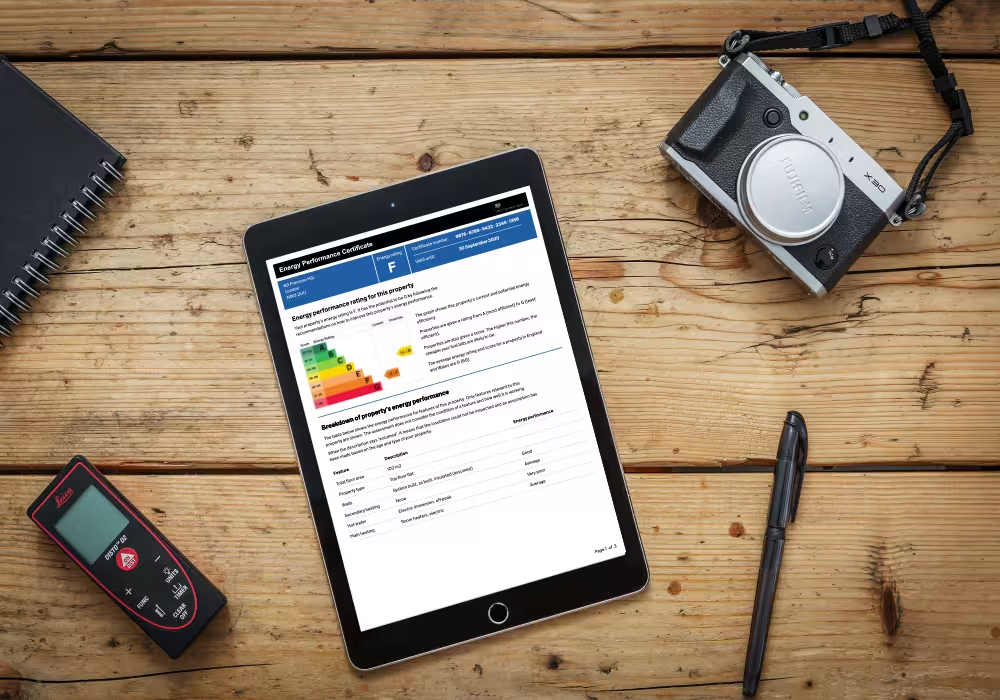
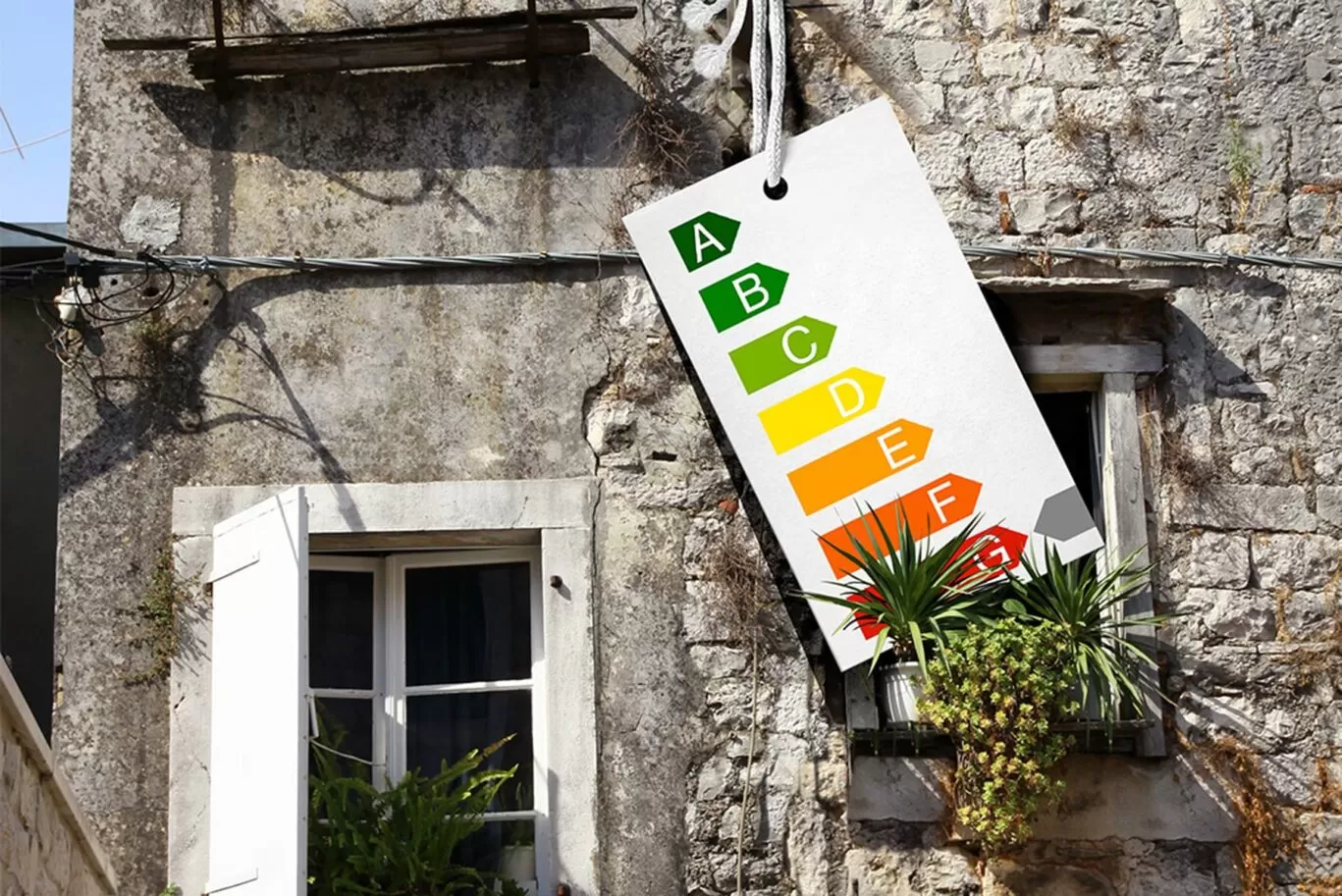
Poorly performing homes are often harder and more expensive to heat. Many properties suffer from inadequate insulation, heat loss, ageing heating systems, or poor ventilation strategies. This means accurate energy assessment and whole-house retrofit planning are essential to achieving meaningful improvements.
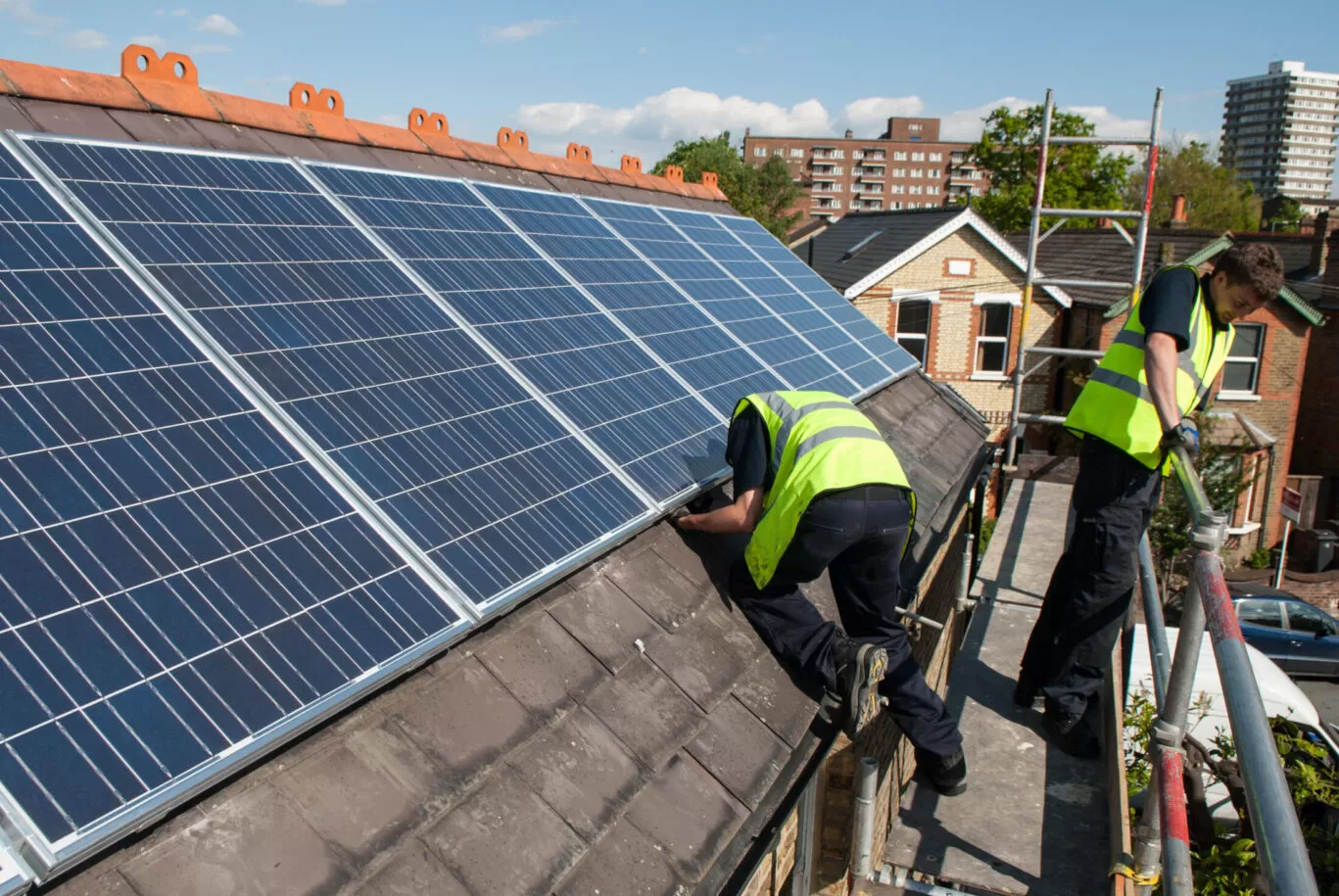
The country has already ramped up its retrofit activity over the past few years to tackle fuel poverty. The government’s Warm Homes Plan also signals growing national focus on improving housing efficiency and reducing energy bills, with ambitions to support millions of home upgrades across the UK.
For Domestic Energy Assessors, Retrofit Assessors and Retrofit Coordinators, the latest data reinforces the importance of their work.
What The Statistics Highlight
Accurate Property Assessment Is Key
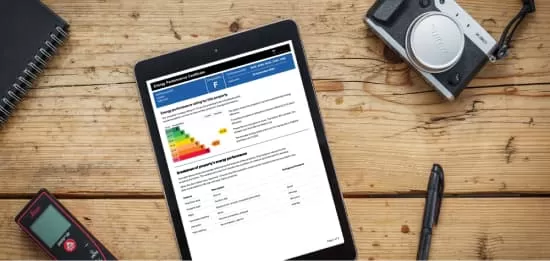
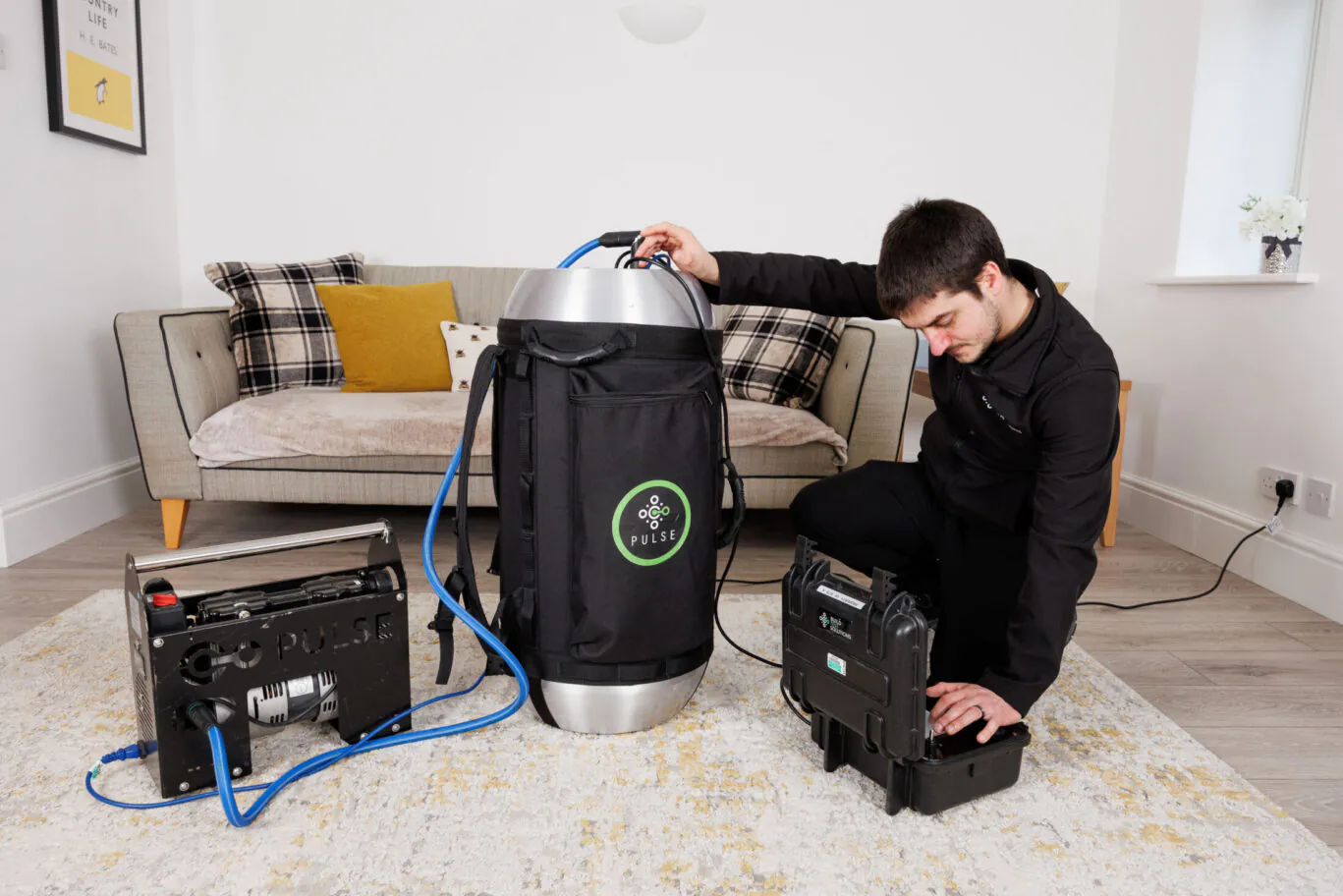
Good retrofit starts with good assessment. Accurate RdSAP data, ventilation considerations, occupancy understanding, and condition assessment all influence whether retrofit measures genuinely improve performance. Poor assessment can lead to ineffective measures, performance gaps or unintended consequences.
Awareness of Fabric-First Retrofit Principles
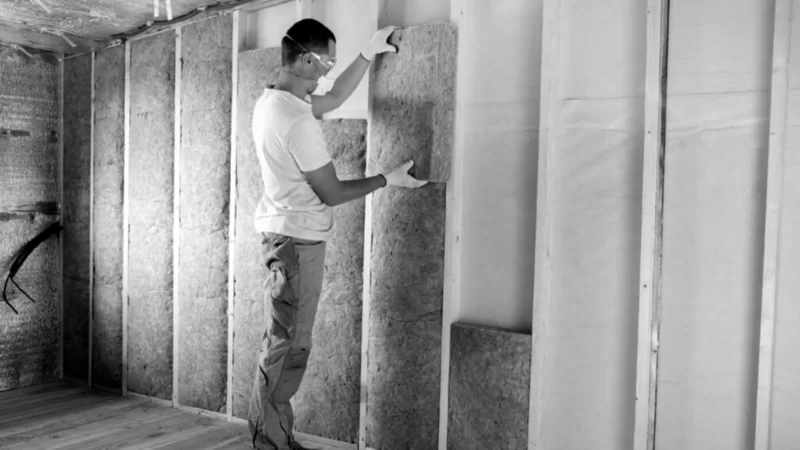
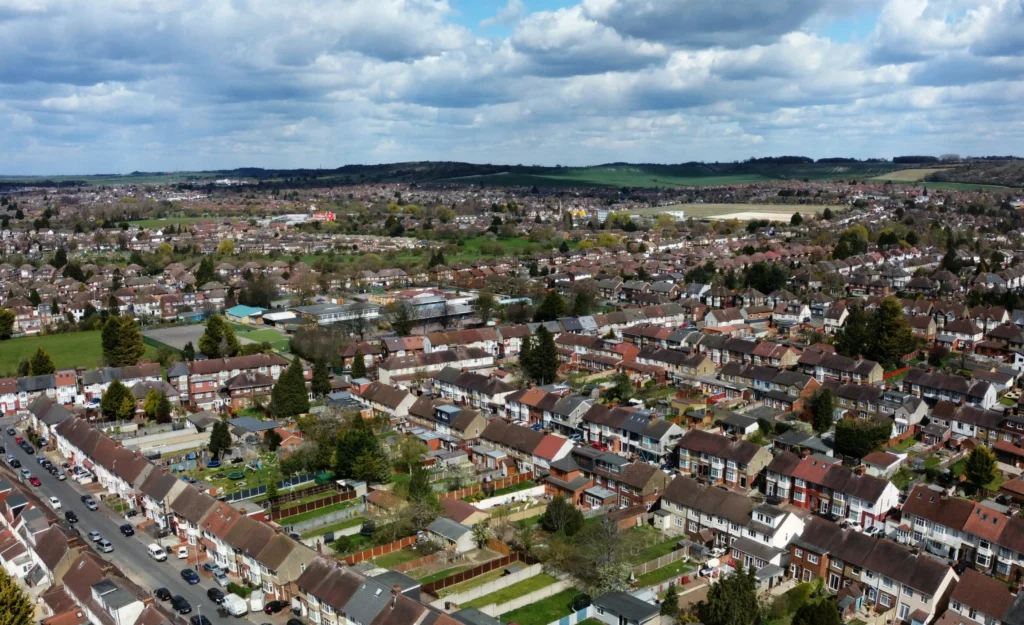
The fuel poverty data continues to highlight the need to improve inefficient homes. Many fuel-poor households live in properties that lose heat quickly, making them more expensive to heat and harder to keep warm. This is why fabric-first principles remain central to effective retrofit, as improving the building fabric helps reduce heat loss, lower energy bills, and create healthier, more comfortable homes.
Understanding Local Context and Building Characteristics
The report also highlights that fuel poverty varies significantly across regions and local authorities. Differences in housing stock, household income, and heating systems mean retrofit strategies must be tailored to local housing conditions, rather than relying on a one-size-fits-all approach.
Retrofit – Helping Families in Fuel Poverty
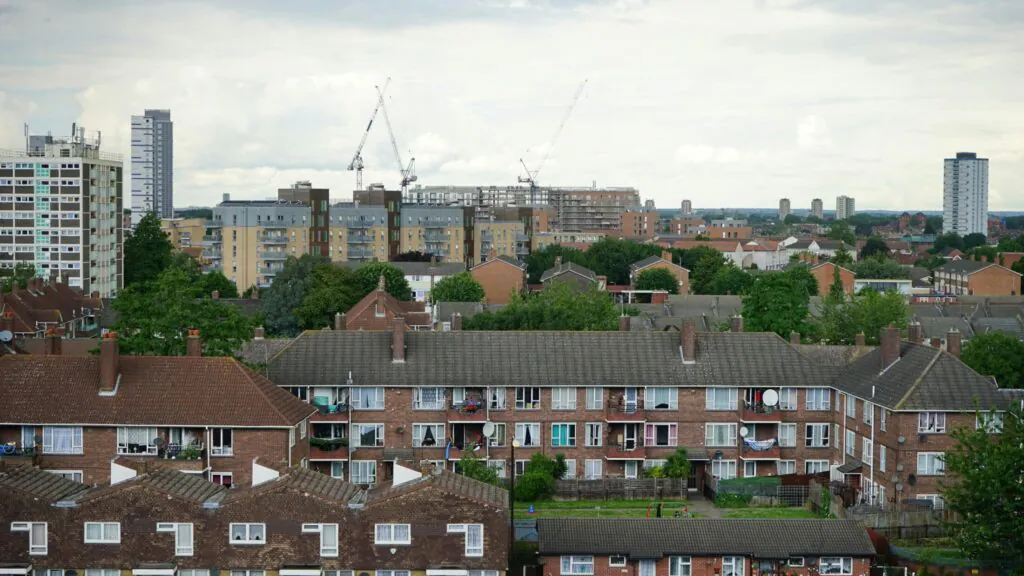
For the retrofit sector, the report is a reminder that this work goes far beyond compliance or EPC improvements. When delivered effectively, retrofit can reduce energy costs, improve comfort, support better health outcomes, and strengthen the long-term resilience of homes.
Skilled retrofit professionals play a vital role in tackling fuel poverty, improving housing quality, and helping households access warmer, healthier, and more affordable homes for the future.
Get Involved In Retrofit
If you want to be part of the solution, why not qualify as a Retrofit Assessor with Energy Trust’s self-paced Retrofit Assessor course. Learn at your own pace with constant access to personal support from our qualified team of experts, here to help you throughout the whole process.
Source: Department for Energy Security and Net Zero — Sub-regional Fuel Poverty Report 2026 (2024 data).