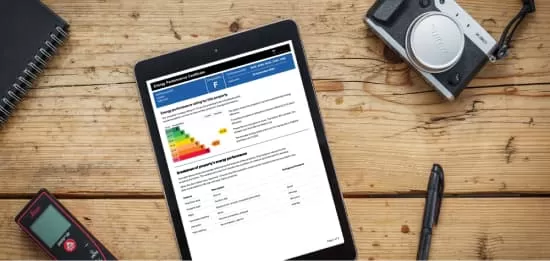



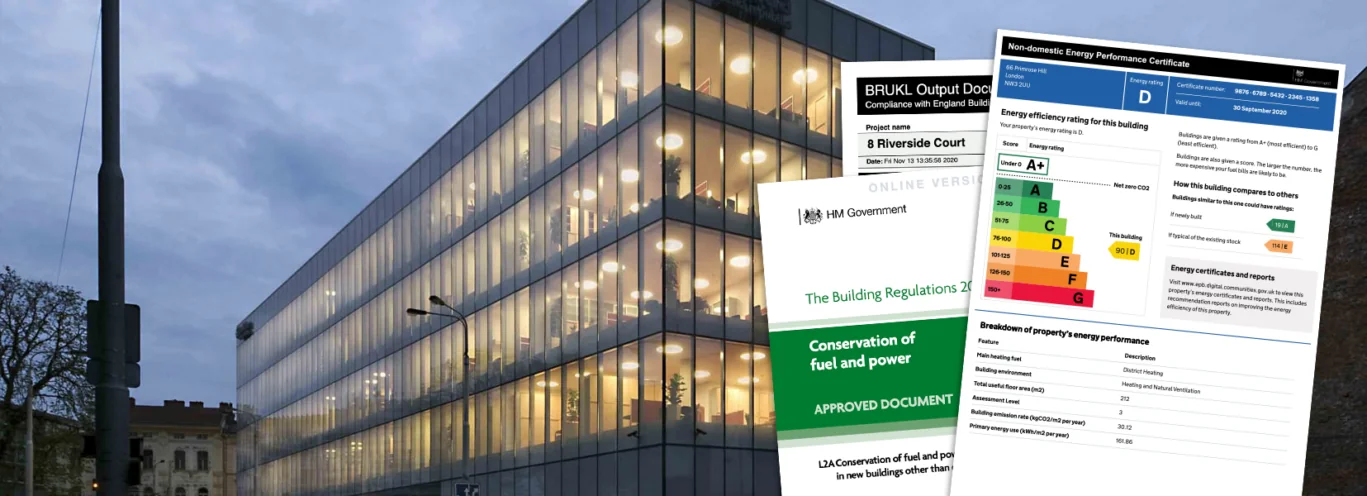
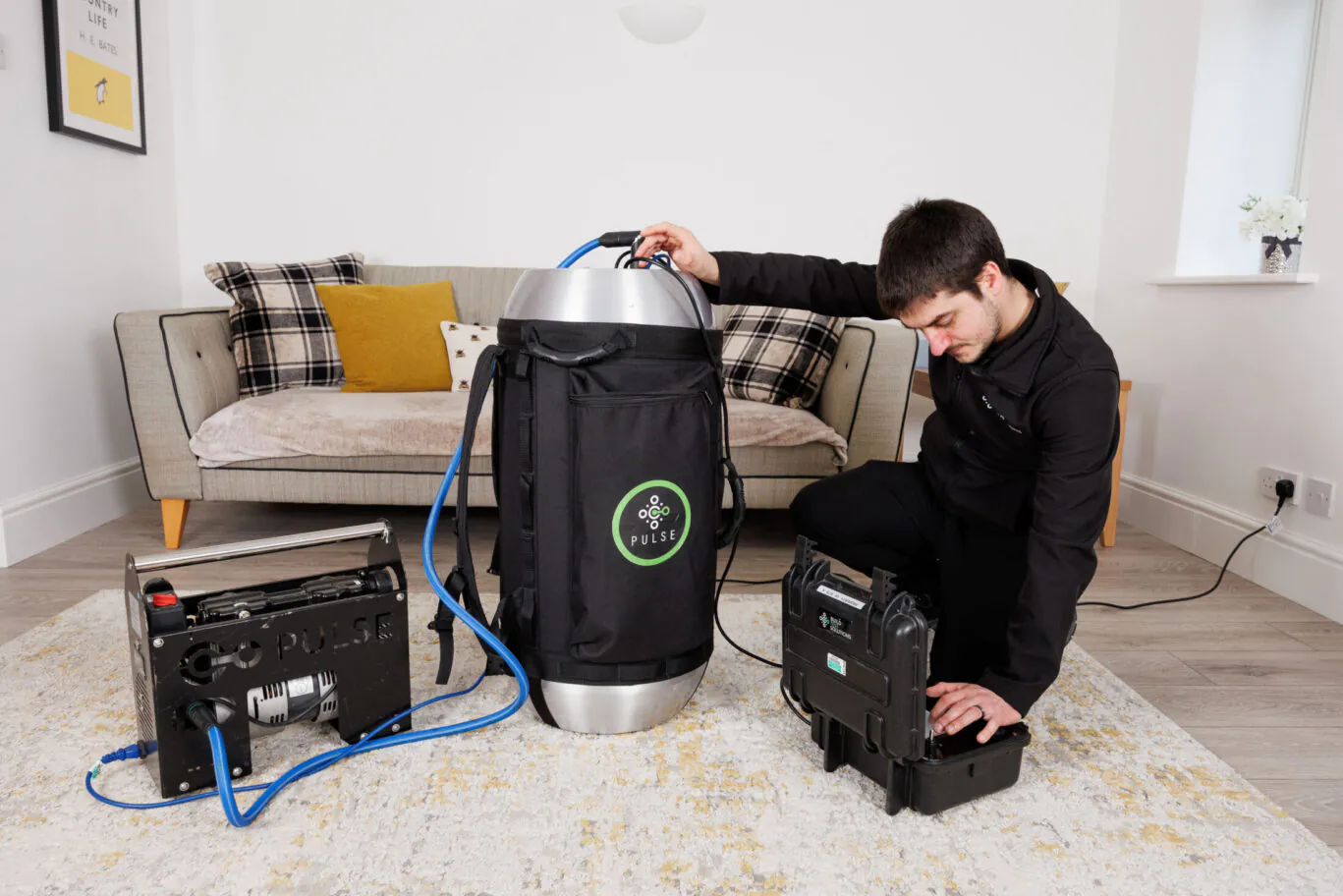
Domestic Energy Assessors (DEAs) and Non-Domestic Energy Assessors (NDEAs) both survey buildings, record features that affect energy performance and produce Energy Performance Certificates (EPCs).
So, what is the difference between a DEA and an NDEA?
The main difference is the type of building they assess and the software used to produce the energy rating. DEAs assess existing domestic dwellings, such as houses and flats, while NDEAs assess non-domestic or commercial buildings, such as offices, shops, warehouses and factories.
Although the resulting EPCs may look similar, the surveying process and the way information is entered into the relevant software are quite different.
The DEA Foundation
A DEA already has many of the skills that are essential for non-domestic assessment: taking accurate measurements and photographs during the site survey, identifying construction features and building services, and keeping clear records of what has been found.
Assessing a home involves more than entering information into software. A DEA needs to recognise relevant features, establish what can be confirmed on site and record the information required to support the EPC. These habits provide a strong foundation for anyone considering a move into non-domestic assessment.
The experience of working directly with clients is valuable too. Dealing with clients professionally is an important skill for both DEAs and NDEAs. Both types of assessor regularly meet new people on site, communicate their requirements clearly and carry out surveys professionally.
The progression from DEA to NDEA is therefore a move into a different type of assessment rather than a completely fresh start. The next step is to build on existing surveying skills while learning how commercial buildings, more complex building services and assessment methods differ.
What Makes Non-Domestic Work More Complex?
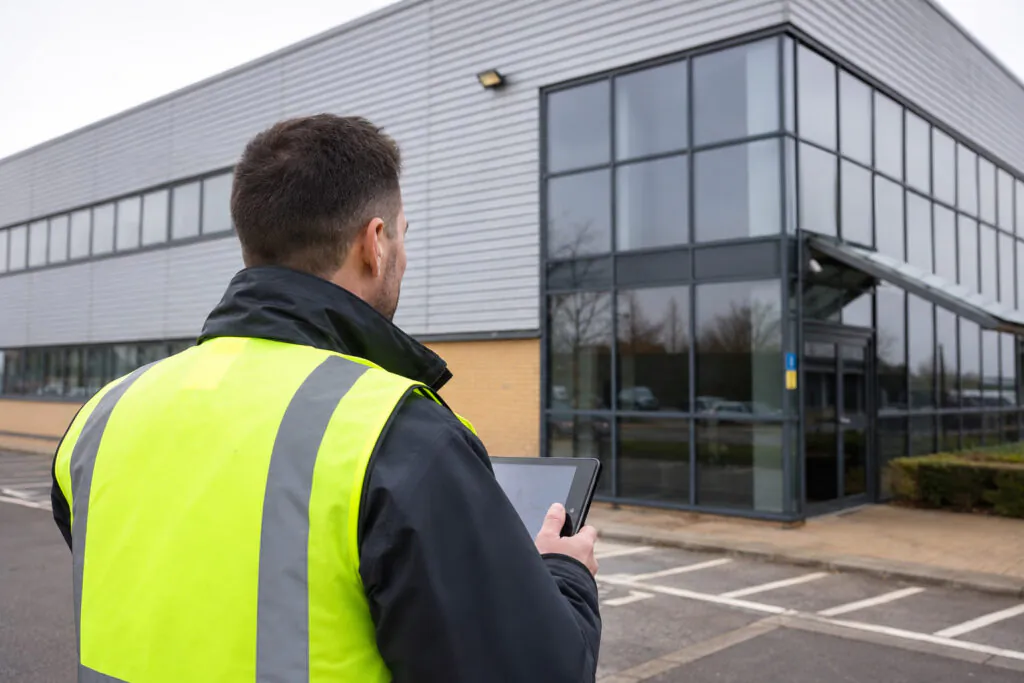
It is important to remember that non-domestic buildings vary considerably, and some projects are more complex than others. Non-domestic buildings can range from small shops and offices to warehouses, car showrooms and hotels.
The scope of a survey depends on the building’s size and complexity, how its spaces are used and the systems that serve them. We have a detailed guide to building complexity, which helps define a building as Level 3, Level 4 or Level 5.
For example, an assessor might encounter an office containing meeting rooms, storage areas and open-plan workspaces, with different areas served by different heating or cooling systems. The assessor needs to understand how the building is arranged, what each space is used for and which building services apply to each area.
In this way, the survey goes beyond simply identifying which features are present. The assessor must also consider the activities carried out within different areas of the building. Some projects may also require building plans or information about building services to be considered alongside the site survey.
Government guidance on non-domestic EPCs explains how a space’s activity and building services contribute to the assessment. This additional layer of information is one of the factors that can make non-domestic assessments more complex. Government guidance on non-domestic EPCs explains how a space’s activity and building services feed into the assessment.
Zoning: Why Different Spaces Matter
Imagine an office with an open-plan work area, a kitchenette and a storage room. These spaces have different functions and may have different patterns of use, lighting requirements or heating and cooling arrangements.
An NDEA needs to identify and record the relevant differences when modelling the building. This is known as zoning.
Zoning involves understanding the building’s layout, the activity taking place in each area and the services that apply, then representing the building appropriately in the assessment software. It does not mean automatically treating every room as a separate zone.
Zoning is a good example of how familiar surveying skills develop when moving from domestic to non-domestic assessment. Accurate measurements and floor plans are still important, but the assessor must also establish how each space contributes to the building’s overall energy assessment.
Identifying and accurately representing zones is therefore an important part of producing a non-domestic EPC.
Building Services: Applying Knowledge In More Detail
DEAs already need to understand and record features such as heating, hot water, lighting and ventilation. That existing knowledge remains useful when moving into non-domestic assessment.
In a non-domestic building, however, an assessor may encounter a wider range of systems, as well as multiple systems serving different parts of the property.
The task is to identify the relevant services and establish where they apply. For example, an office might have heating throughout the building but cooling in only certain areas. Simply recording that cooling is present does not explain which spaces it serves.
As building services become more varied, the assessor needs a more detailed understanding of the systems and their relationship with the building’s zones. This is an important part of what can make non-domestic assessment more technically demanding.
A Different Assessment Method
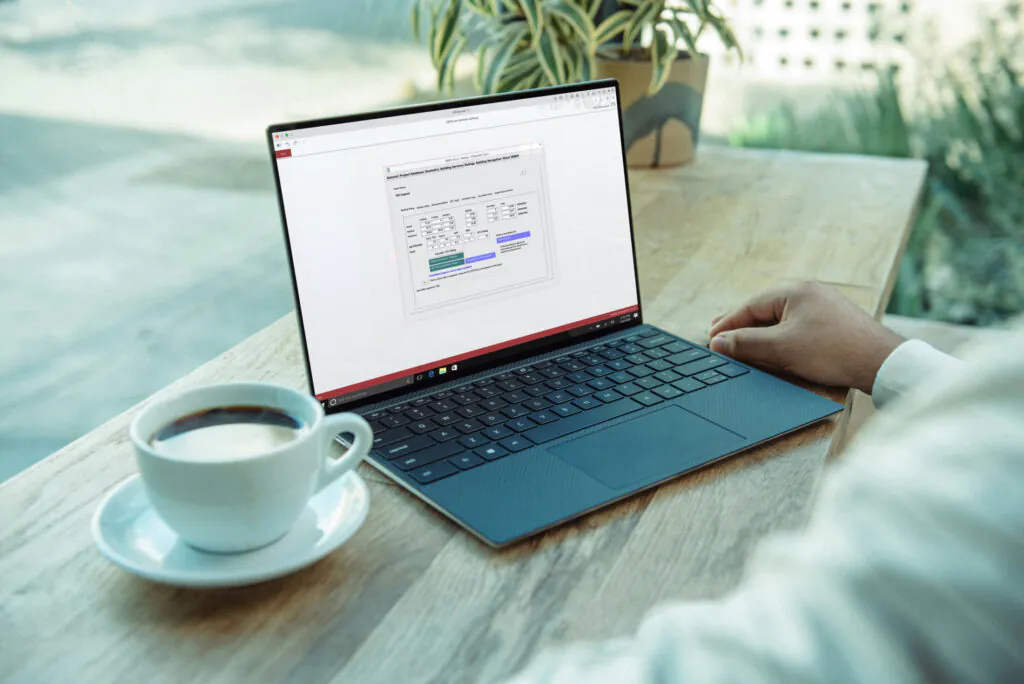
DEAs and NDEAs use different software and assessment methodologies to produce their EPCs.
For domestic energy assessments, DEAs currently use the Reduced Data Standard Assessment Procedure (RdSAP).
The Simplified Building Energy Model (SBEM) is used for most non-domestic buildings, with approved tools such as iSBEM used to enter and process the assessment information. More complex buildings, known as Level 5 buildings, require use of Dynamic Simulation Model (DSM) instead.
An NDEA’s survey findings – including the building’s geometry, zones, construction and building services – must be accurately represented in the appropriate software model.
Government guidance on SAP and SBEM explains the distinction between domestic and non-domestic methods.
You can see how survey planning, site work and EPC write-up fit together in our guide to a typical NDEA working day.
Moving From DEA To NDEA
Energy Trust’s non-domestic energy assessment course is designed for professionals who already have relevant industry knowledge and want to develop their skills in this specialist area. The course combines four live online training days with a tutor, followed by a portfolio of coursework designed to build practical knowledge and prepare you for the role of a Non-Domestic Energy Assessor.
You’ll develop your understanding of building measurements, zoning, building services and iSBEM data entry, before applying these skills to example non-domestic EPC projects. Alongside the practical coursework, you’ll complete academic assignments that help you develop the knowledge and understanding required to work confidently as an NDEA.
For an existing DEA, this can be a natural progression from domestic to non-domestic assessment. For surveyors, architects, engineers and other built-environment professionals, the course provides an opportunity to apply your existing knowledge to energy assessment and develop a new area of professional expertise.
If you’re ready to broaden your skills and move into non-domestic energy assessment, contact us today.
Frequently Asked Questions
Is working as an NDEA more difficult than working as a DEA?
Yes – NDEA projects are often more technically demanding, particularly when a building has several uses, zones or more complex services. The difficulty varies by property and by the assessor’s experience. However, DEA work also requires careful surveying, sound judgement and reliable evidence gathering.
Can a DEA produce a commercial EPC?
No – The DEA qualification or accreditation alone is not enough. A commercial EPC must be produced by an assessor with the appropriate non-domestic qualification and accreditation.
Do you have to be a DEA before becoming an NDEA?
No. DEA experience provides a useful grounding in building surveys and EPC work, but it is not listed as a prerequisite for Energy Trust’s course. Although a new entrant is allowed to sit this course, we recommend students have a background in a related industry before booking the course, this is due to the technical nature of the role. Students are also required to hold strong IT skills.
Do NDEAs use the same assessment software as DEAs?
No. Currently RdSAP is used for EPCs on existing homes. Non-domestic assessments use SBEM through approved software such as iSBEM, or DSM where required for a more complex building.
Find Out More About Non-Domestic Energy Assessment
Want to find out more about non-domestic energy assessment? Watch our NDEA Qualification Explainer video to get a comprehensive overview of the role.