


If you’ve been researching energy efficiency, home improvements or careers in the built environment, you’ve probably come across the term retrofit. But what is retrofit, and why has it become such an important part of improving homes across the UK?
As the UK works towards its net zero targets, millions of existing homes need to become warmer, healthier and more energy efficient. Retrofit is the heart of this process. Whether you’re already an energy assessor looking to expand your skills or you’re considering a completely new career in retrofit, understanding what retrofit is and how retrofit works is the perfect place to start.
In this guide, we’ll explain:
- What is retrofit?
- Why retrofit matters
- How retrofit works
- The different roles within a retrofit project
- Common retrofit improvements
- How you can become retrofit qualified
What Is Retrofit?
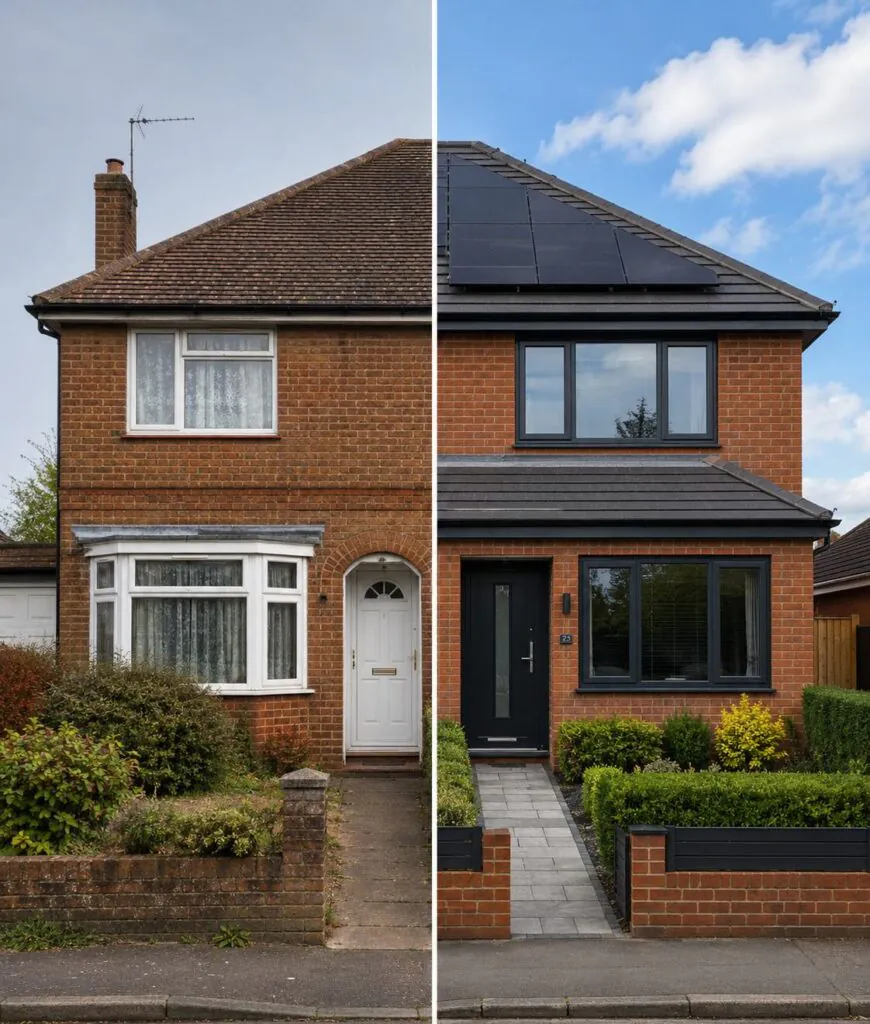
Put simply, retrofit is the process of improving an existing building to make it more energy efficient, comfortable and environmentally sustainable. Rather than replacing older homes with new ones, retrofit focuses on upgrading existing buildings so they use less energy while providing healthier, warmer and more comfortable places to live.
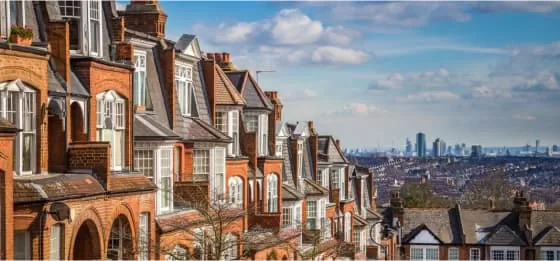
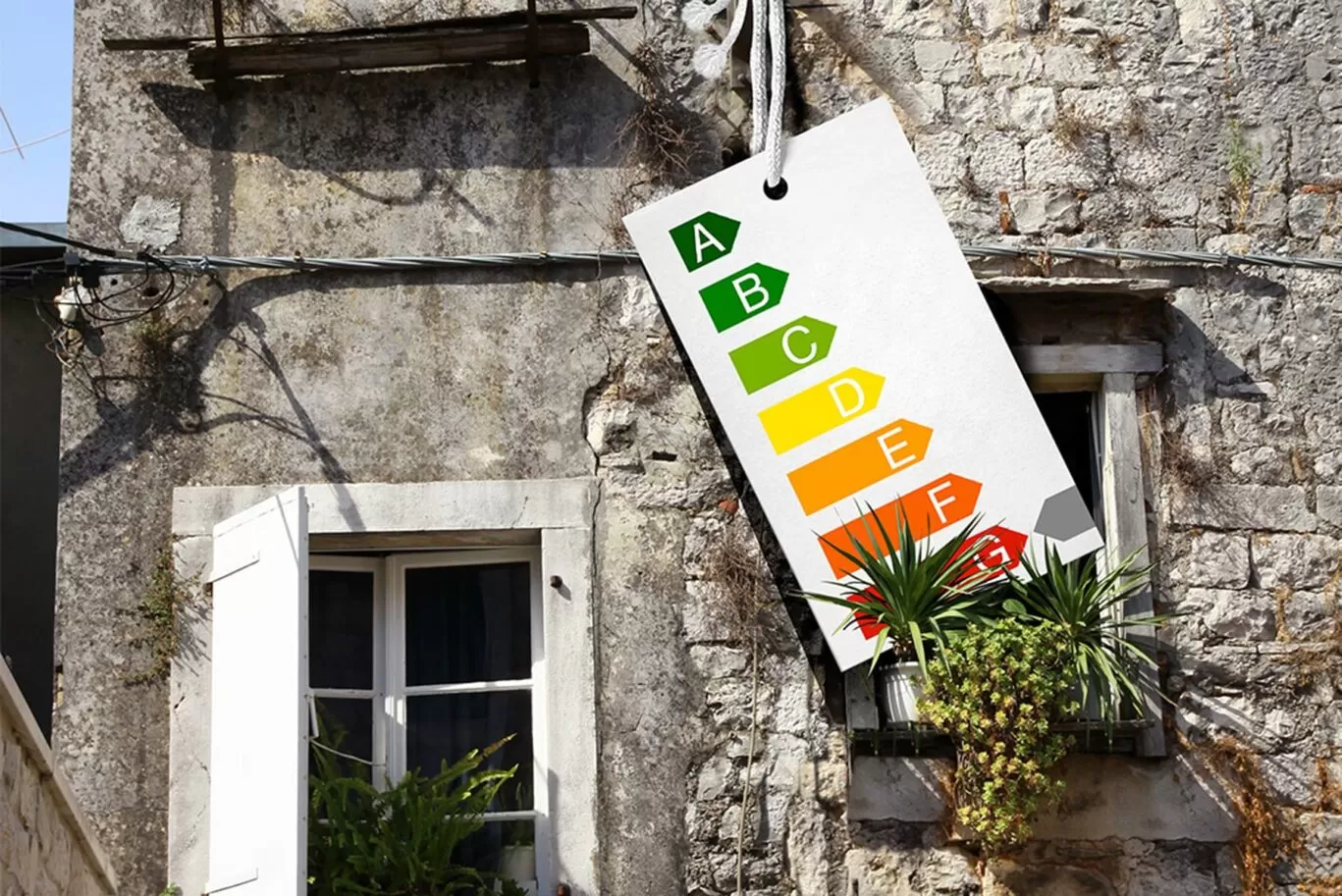
The UK is home to around 6.5 million traditional buildings* which were built long before modern energy efficiency standards existed. They can lose an excessive amount of heat through poorly insulated roofs, walls, floors, windows and doors, making them more expensive to heat and contributing to unnecessary carbon emissions. By retrofitting these properties, we install measures that allow them to benefit from modern energy efficiency technology.
In order to do this effectively (especially with older buildings) we must look at the building as a whole. This is known as taking a whole-house approach, which is a key principle of retrofit. Instead of viewing each improvement in isolation, this method considers how every part of the building performs together and then determines the best way to improve it using the measures available.
Why Do We Need Retrofit?
Understanding what retrofit is also means understanding why it’s so important.
You may think, why do we need retrofit? Why not just focus on building efficient new housing? To answer that, we have to consider how much of an impact existing homes will continue to have on the UK’s emissions. It is estimated that around 80%* of the homes that will exist in 2050 have already been built. So, improving these existing properties is essential if the UK is to reduce carbon emissions and meet its net zero ambitions.
However, retrofit isn’t only about climate change, there are other benefits.
Lower Energy Bills For Homeowners
Reducing heat loss means homes require less energy to stay warm. That can lead to lower energy bills while making households less vulnerable to future increases in energy prices. We’ve all experienced the effects of fluctuating fuel prices over recent years, so this is clearly an important benefit to retrofit.
Creating More Comfortable Homes
Poor insulation often leads to draughts, cold spots and uneven temperatures. Retrofit helps create homes that stay warmer during winter and more comfortable throughout the year.
Reducing Negative Health Impacts
Cold, damp homes can have a serious impact on the health of their occupants. In fact, research conducted by UK Parliament in 2023 revealed that “each year, the NHS spends an estimated £1.4 billion annually on treating illnesses associated with living in cold or damp housing. When wider societal costs are considered, such as healthcare, that figure rises to £15.4 billion.”* Well-designed retrofit projects improve both insulation and ventilation, creating healthier living environments and fighting these health issues.
Each year, the NHS spends an estimated £1.4 billion annually on treating illnesses associated with living in cold or damp housing. When wider societal costs are considered, such as healthcare, that figure rises to £15.4 billion.
UK Parliament Research Briefing, 2023
Protecting Heritage Buildings
Retrofit helps extend the life of existing buildings by upgrading them for modern living, rather than replacing them. This is particularly important given the age and variety of the UK’s housing stock. By carefully upgrading these buildings, we help future-proof heritage and characterful buildings that stand as living memorials to history.
How Does Retrofit Work?
One of the most common questions people ask is “How does retrofit work?“
Unlike traditional home improvements, retrofitting follows a carefully planned process that considers the property as a whole rather than recommending individual upgrades in isolation. Domestic retrofit projects are carried out in accordance with PAS 2035, the British Standard that sets out best practice for domestic retrofit.
The process usually follows these 4 stages:

Step 1: Assessing the property
Everything begins with a Retrofit Assessment. A qualified Retrofit Assessor visits the property and gathers detailed information about:
- Construction type
- Building condition
- Heating and hot water systems
- Windows and doors
- Current energy efficiency measures
- Ventilation
- Occupancy and use
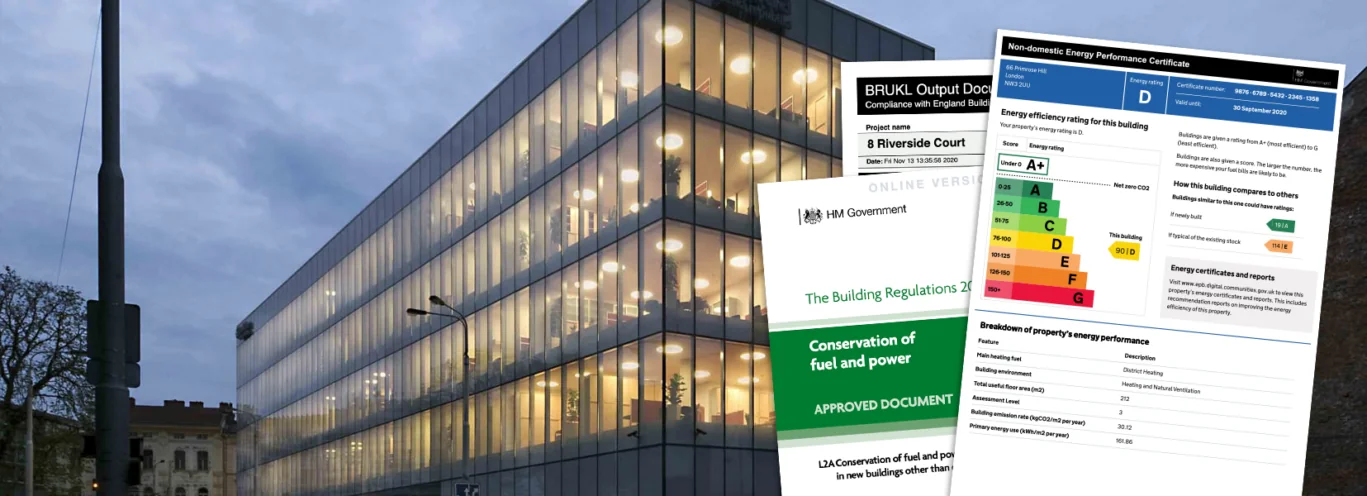
They use the information they gather to create a series of reports that are essential to the rest of the process. These reports include an energy assessment, occupancy assessment, condition survey, ventilation survey and significance survey (if the building is traditional (pre-1919). These reports provide the information needed to decide which improvements are appropriate.

Step 2: Planning the improvements
At this point, the Retrofit Assessor hands their findings over to the Retrofit Coordinator. They work alongside a Retrofit Designer and use the assessment information to develop a package of improvements that work together.
Rather than recommending individual measures, they consider how changes to one part of the building could affect another. This whole-house approach helps reduce the risk of unintended consequences while achieving the best possible long-term performance. Their suggestions are formatted into a ‘medium-term’ and ‘long-term’ plan for the property.
Step 3: Carrying out the work
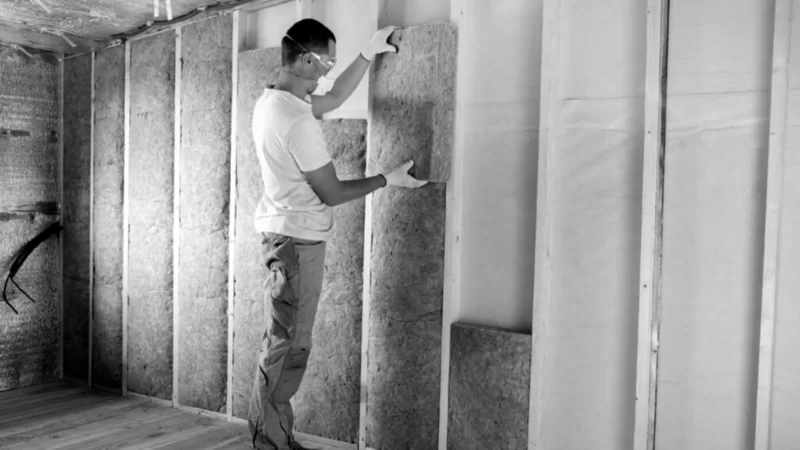
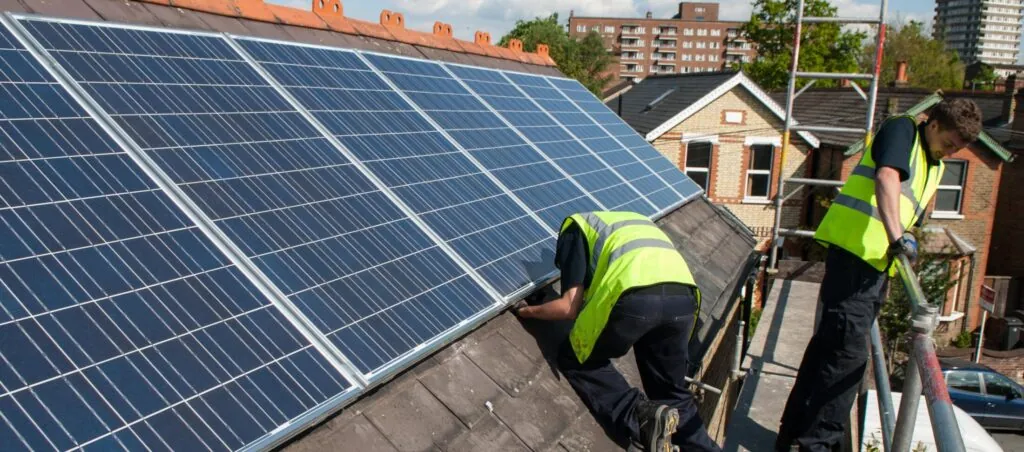
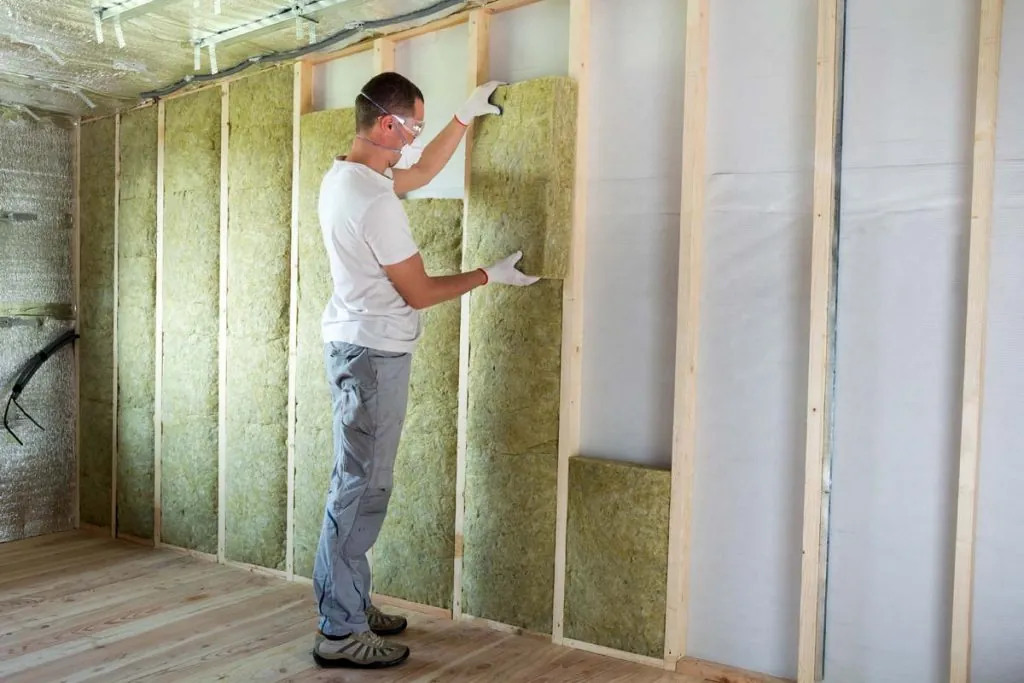
After that, qualified Retrofit Installers carry out the recommended improvements. Depending on the property, this could involve installing insulation, replacing windows or heating systems, improving ventilation or fitting low-carbon renewable technologies.
Throughout this process, the Retrofit Coordinator manages the project to ensure it runs smoothly and aligns with relevant guidelines, such as PAS 2035.

Step 4: Reviewing the results
Once the work is complete, a Retrofit Evaluator will review the project to assess how well the improvements have performed and whether the intended outcomes have been achieved.
What Are Some Common Retrofit Upgrades?
Every home is different, so no two retrofit projects are exactly the same. However, some of the most common retrofit measures include:

Insulation
Improving insulation is often one of the first priorities because reducing heat loss makes every other improvement more effective. This may include:
- Loft insulation
- Cavity wall insulation
- Solid wall insulation
- Floor insulation

Windows and Doors
Replacing older windows and doors can reduce heat loss and improve the overall thermal performance of the building.
Renewable Technologies
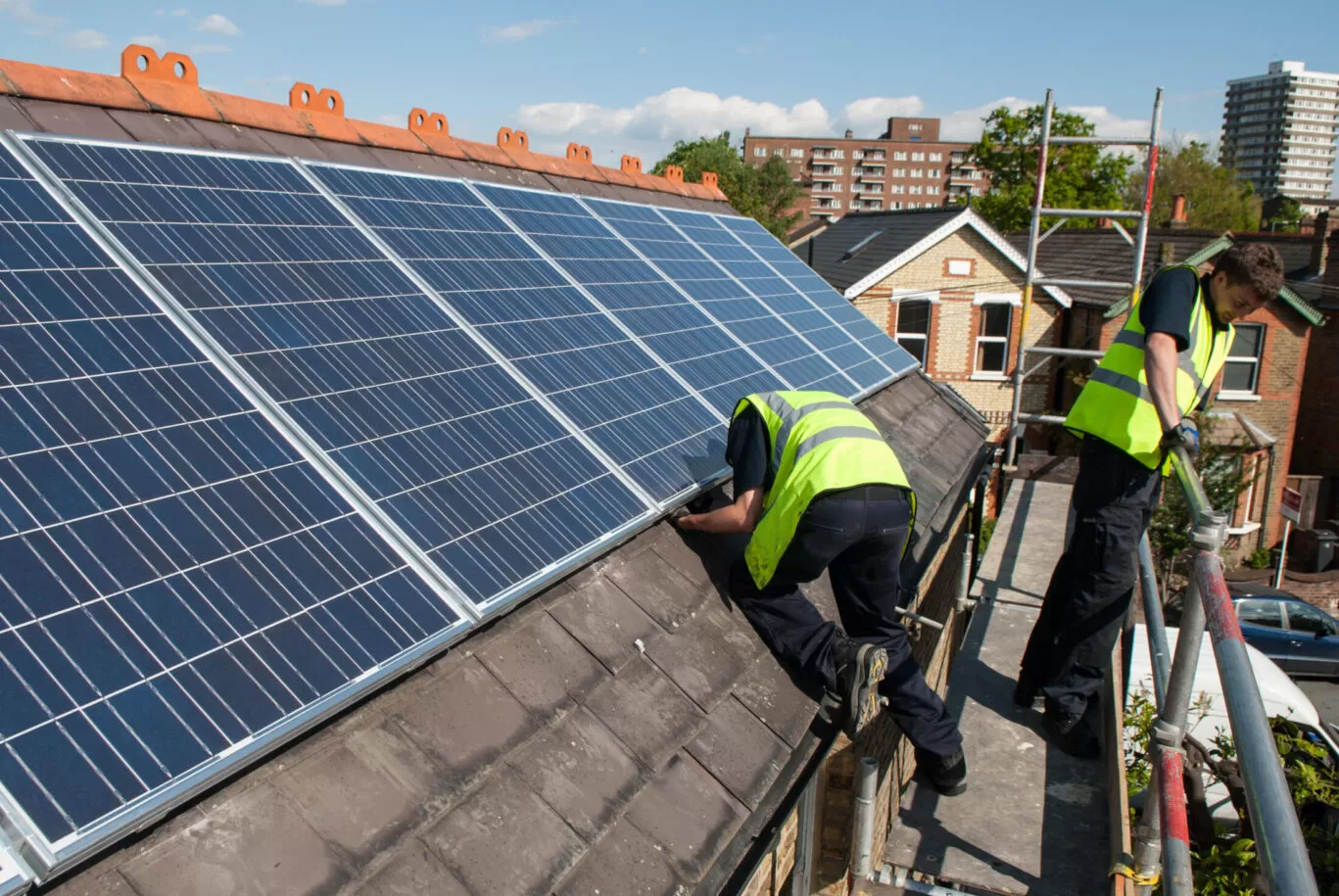
Some retrofit projects also include renewable energy technologies such as Solar PV.

Ventilation
As buildings become more airtight, adequate ventilation becomes essential to maintain healthy indoor air quality and reduce the risk of condensation and mould.

Draught-proofing
Reducing uncontrolled air leakage helps homes retain more heat while improving comfort.

Heating Systems
Once the home’s energy demand has been reduced, heating systems may be upgraded to include:
- Air source heat pumps
- Ground source heat pumps
- High-efficiency heating systems
- Smart heating controls
The right combination of measures will always depend on the property itself, which is why professional assessment is such an important part of the retrofit process.
How Much Does Retrofit Cost in the UK?
One of the first questions homeowners ask after learning what retrofit is is how much it costs. There isn’t a single answer, as every property is different. The cost of retrofit depends on factors such as the size of the property, its age, and the improvements being carried out.
Some homeowners choose to spread improvements over several years, starting with the measures that deliver the greatest gains in comfort and energy efficiency. Depending on the property and the homeowner’s circumstances, grants or government-backed funding schemes may also be available to help reduce the cost of retrofit improvements.
How Can I Get Retrofit Qualified?
If you’re new to the world of retrofit, becoming a Retrofit Assessor is a great place to start. For existing Domestic Energy Assessors, becoming a Retrofit Assessor is a natural progression. It allows you to build on your existing surveying skills while expanding into a key role in the retrofit industry.
If you’re completely new to the sector, retrofit also offers an exciting career path. You’ll play an important role in helping improve homes, reduce carbon emissions and support homeowners on their journey towards greater energy efficiency. For these individuals, a combined Domestic Energy Assessor and Retrofit Assessor Course would be an ideal way to get started.
At Energy Trust, we offer a range of retrofit training courses designed for both experienced assessors and those looking to begin a new career.
Whether you’re looking to become a Retrofit Assessor, progressing towards a Retrofit Coordinator course, or wanting to gain a better understanding of Retrofit in general, our experienced trainers can help you develop the knowledge and practical skills needed to succeed.
Frequently Asked Questions
Simply put, retrofit is the process of improving an existing building to make it more energy efficient, comfortable and environmentally sustainable. Rather than replacing older homes with new ones, retrofit focuses on upgrading existing buildings so they use less energy while providing healthier, warmer and more comfortable places to live.
Common retrofit improvements include loft, cavity wall and solid wall insulation; draught-proofing; improved windows and doors; better ventilation; heating system upgrades such as heat pumps; and renewable technologies like solar panels. Every retrofit plan is tailored to the individual property.
The timescale depends on the size of the property and the work being carried out. Smaller projects may take only a few days (allowing time for the necessary retrofit assessment and retrofit plan development), while larger whole-house retrofit projects can take several weeks or months.
Retrofit costs vary considerably depending on the property and the improvements being installed. Some homeowners complete retrofit in stages, while grants and funding may be available to help reduce costs for eligible households.
No. Renovation usually focuses on repairing, modernising or improving the appearance of a property. Retrofit specifically aims to improve a building’s energy efficiency, comfort and environmental performance through carefully planned upgrades that work together as a whole.
A retrofit project generally involves a variety of roles, specified by the PAS 2035 framework. Each project will require a Retrofit Assessor, Retrofit Coordinator, Retrofit Designer and a Retrofit Evaluator – though some of these roles may be carried out by the same individual in some cases.
If you’re already a Domestic Energy Assessor, Retrofit Assessor training is a natural next step. If you’re new to the industry, recognised DEA & Retrofit Assessor combined training can provide the knowledge and qualifications needed to begin a career in retrofit. Energy Trust offers retrofit training courses designed to support both routes.
A fabric-first approach means improvements to the building’s construction or fabric – such as insulation and draught-proofing – are considered before installing low-carbon heating or renewable technologies. Improving the building fabric first reduces the amount of energy the home needs, allowing other upgrades to work more effectively.
This is a key principle of retrofit under PAS 2035. Instead of viewing each improvement in isolation, this method considers how every part of the building performs together. It looks at the whole building as a complete system, and then figure out the best way to improve it using all the measures available.
SOURCES: 6.5 million traditional buildings , 80% of the homes in 2025 have already been built, health impacts and NHS cost due to poorly insulated homes ,